



AlUla Airport to Be Expanded to Accommodate 3 Million Passengers
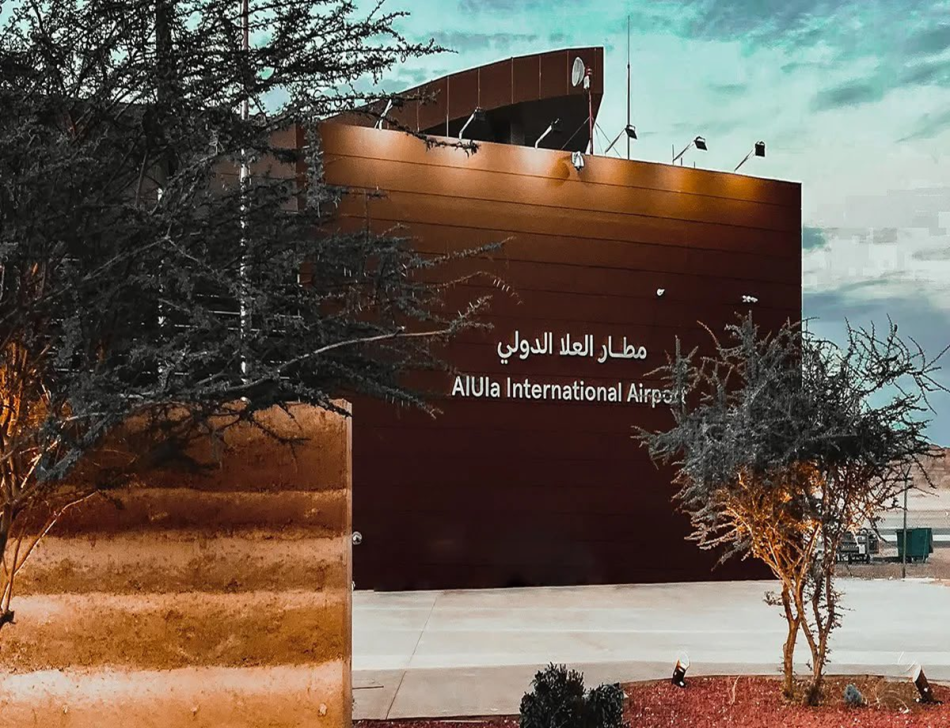
The expansion project includes a new passenger terminal, facilities for air cargo, private aviation and helicopters, and an extension of the runway to 3,000 meters, strengthening air connectivity and supporting tourism and investment growth in northwestern Saudi Arabia.
ALULA | BETH
November 16, 2026
Saudi Arabia is moving forward with plans to expand AlUla International Airport as part of a comprehensive development project undertaken by the Royal Commission for AlUla, aimed at increasing its operational capacity and strengthening its position as an aviation gateway for tourism, investment, and logistics in the Kingdom's northwestern region.
The plan includes the construction of a new passenger terminal covering approximately 30,000 square meters, with an annual capacity of up to 3 million passengers, alongside a 5,000-square-meter air cargo terminal, 10,000 square meters of private aviation facilities, and infrastructure for general aviation and helicopters.
The project also includes extending the runway to 3,000 meters, upgrading roads, parking areas, maintenance and fuel facilities, and supporting services, while allocating approximately one million square meters for commercial and investment activities, including logistics, hospitality, and aviation services.
The commission aims to issue requests for proposals during the third quarter of 2027 and complete the project by 2032, under a public-private partnership model with a 35-year concession period.
The project builds on previous expansions that increased the airport's annual capacity to 700,000 passengers, in response to growing air traffic and demand from the tourism and investment sectors.
BETH Analysis | An Airport That Goes Beyond Tourism
The project's significance extends beyond increasing passenger numbers. The addition of cargo facilities, private aviation services, and new operational infrastructure will create investment opportunities and strengthen AlUla's connections with regional and international markets.
The project also reflects a shift in AlUla's development from a primary focus on tourism and archaeological sites toward building an integrated economic ecosystem, in which air transport services support tourism, business, and investment.
The airport will thus become part of AlUla's future economic infrastructure, rather than merely an arrival point for its visitors.