



Islamic Alliance Launched to Finance Climate Projects
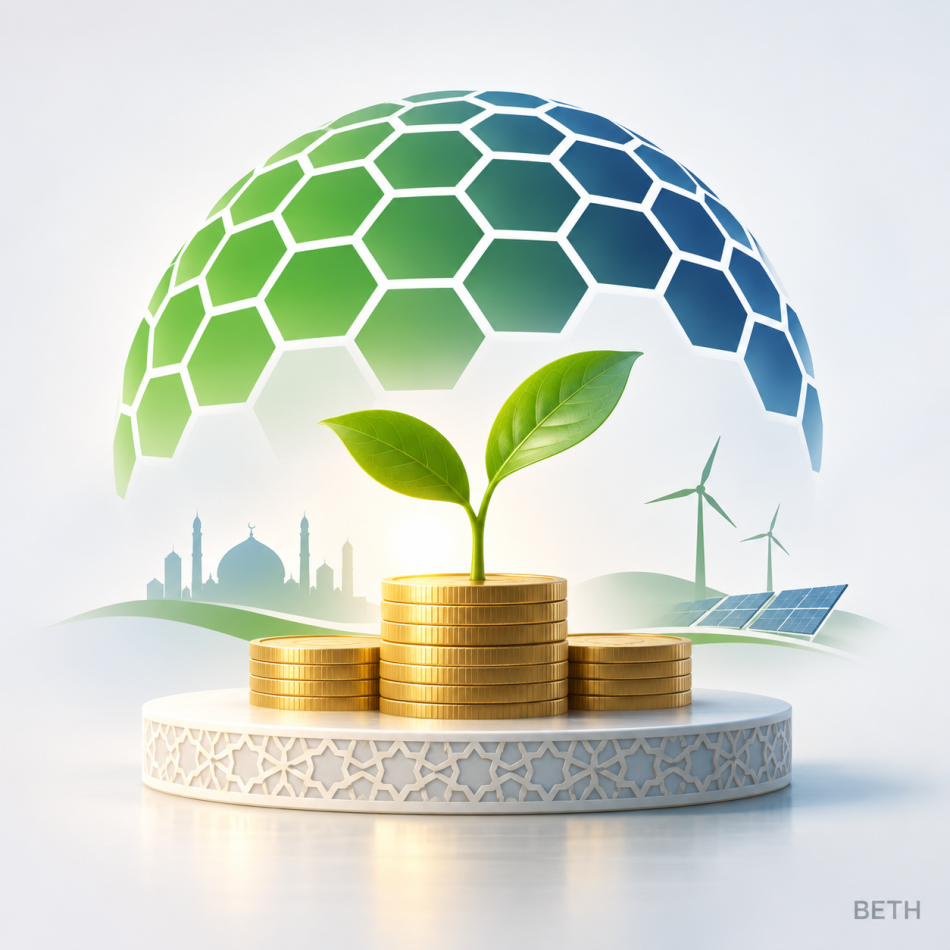
The Islamic Corporation for the Insurance of Investment and Export Credit has facilitated $7.7 billion in climate-related trade and investment since its establishment, coinciding with the launch of a global Islamic alliance to mobilize climate finance and support clean energy projects in member countries.
JEDDAH | BETH
November 15, 2026
The United Nations Climate Change Conference (COP31), held in Antalya, Türkiye, witnessed the launch of the Global Islamic Climate Finance Alliance, an initiative aimed at mobilizing Sharia-compliant investments to finance environmental and development projects, particularly in developing countries.
The Islamic Corporation for the Insurance of Investment and Export Credit (ICIEC), a member of the Islamic Development Bank Group, announced that it has facilitated $7.7 billion in climate-related trade and investment since its establishment, including $7.1 billion in insurance support for clean energy initiatives.
Launched on November 14, the alliance seeks to integrate Islamic finance instruments into the global climate finance system and channel investments toward renewable energy projects and climate adaptation initiatives.
ICIEC plays a key role in facilitating financing by providing insurance against credit and political risks, helping investors undertake solar, wind, and other sustainable development projects.
BETH Analysis | Why Does Investment Need Insurance?
Financial resources alone are not enough to implement clean energy projects. Investors also require guarantees that mitigate financial and political risks, particularly in emerging markets.
This is where insurance becomes an important economic instrument, helping transform investment opportunities into bankable and executable projects.
The new Islamic alliance could create broader opportunities to channel capital into renewable energy and sustainable infrastructure, provided it succeeds in translating initiatives and commitments into actual investments.
The question: Could investment risk insurance become one of the key instruments for financing climate projects in developing countries?