



Saudi Arabia.. Archaeological Remains Reveal Secrets of Humans 125,000 Years Ago
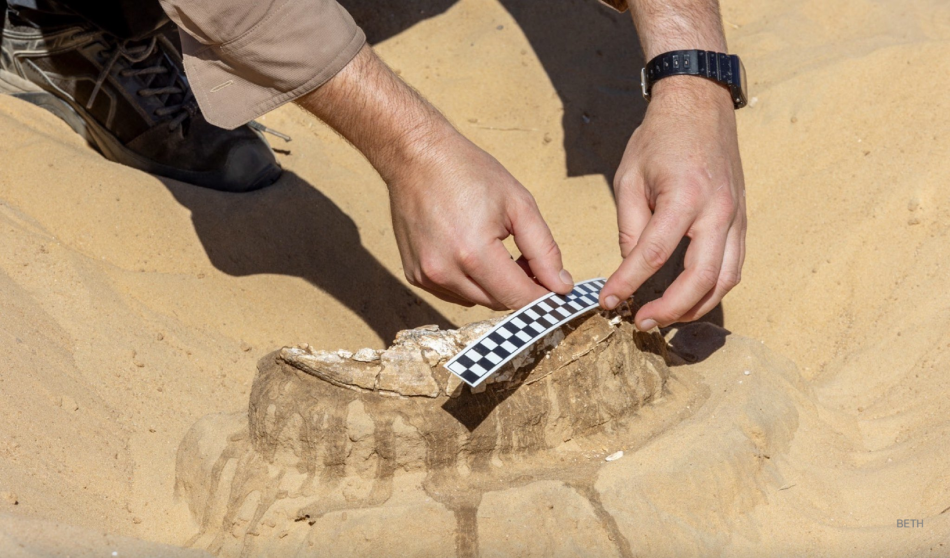
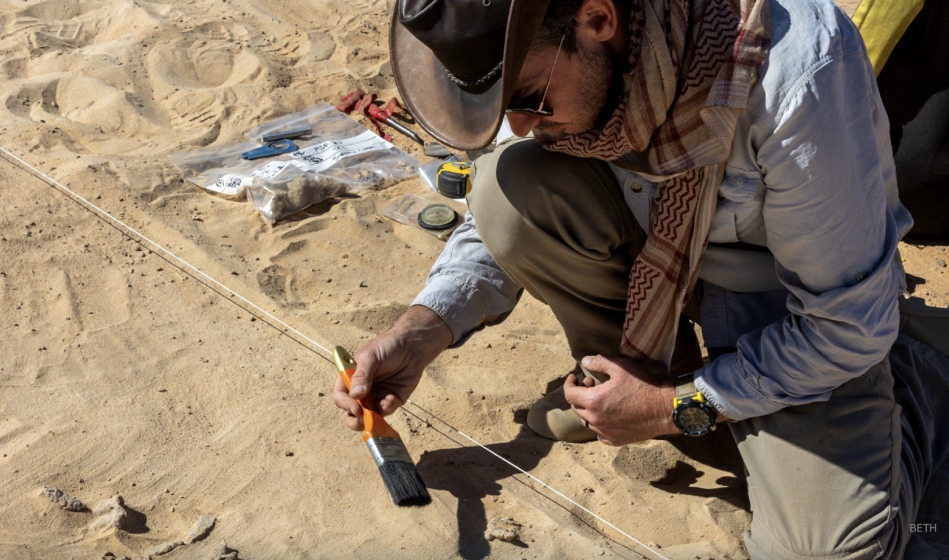
The Saudi Heritage Commission documents 5,511 stone tools and more than 500 fossils at the Uruq Al-Jalibah site in Najran, revealing evidence of human life around a freshwater lake covering 340 square kilometers, along with evidence of hunting-tool manufacturing and the use of plants and wood thousands of years ago.
RIYADH | BETH
November 16, 2026
The Saudi Heritage Commission has revealed archaeological and scientific evidence that redraws the picture of human life in the Empty Quarter approximately 125,000 years ago, when parts of what is now desert contained freshwater lakes, grasslands, and diverse wildlife.
A scientific study, conducted in cooperation with King Abdullah University of Science and Technology (KAUST) and Australia's Griffith University, and published in the journal Science, revealed relatively advanced human activities along the shores of the ancient Al-Mundafan Lake at the Uruq Al-Jalibah site in the Najran region.
A Lake, Animals, and Human Life
Research revealed that the lake extended across approximately 340 square kilometers and reached a depth of about 29 meters. It was surrounded by grasslands and vegetation that provided water and food resources for humans and animals.
Researchers documented more than 500 fossils, including hippopotamuses, long-horned buffaloes, camels, oryxes, gazelles, and ostriches, as well as freshwater organisms.
Tools Reveal Details of Daily Life
The research team collected 5,511 stone tools, most of which were made from flint. Analyses revealed the use of relatively advanced techniques to shape stone tool tips.
More importantly, researchers discovered remains of plant fibers, wood, and organic materials on the tools, along with traces indicating that stone tips had been attached to handles, and chemical indicators of plant substances that may have been used in preparing hunting tools.
BETH Analysis | The Desert That Preserves Human Memory
The significance of the discovery lies not only in documenting the presence of ancient humans, but also in revealing details of their daily activities, their relationship with water, plants, and animals, and their ability to utilize natural resources.
It also provides new evidence that the Arabian Peninsula experienced humid climatic periods that facilitated the spread of human life and movement between regions of the ancient world.
The discovery gives Saudi Arabia an advanced position in research related to human history and ancient environments, revealing unknown chapters of human history.
The question: How many secrets of ancient humans remain buried beneath the sands of the Kingdom of Saudi Arabia?