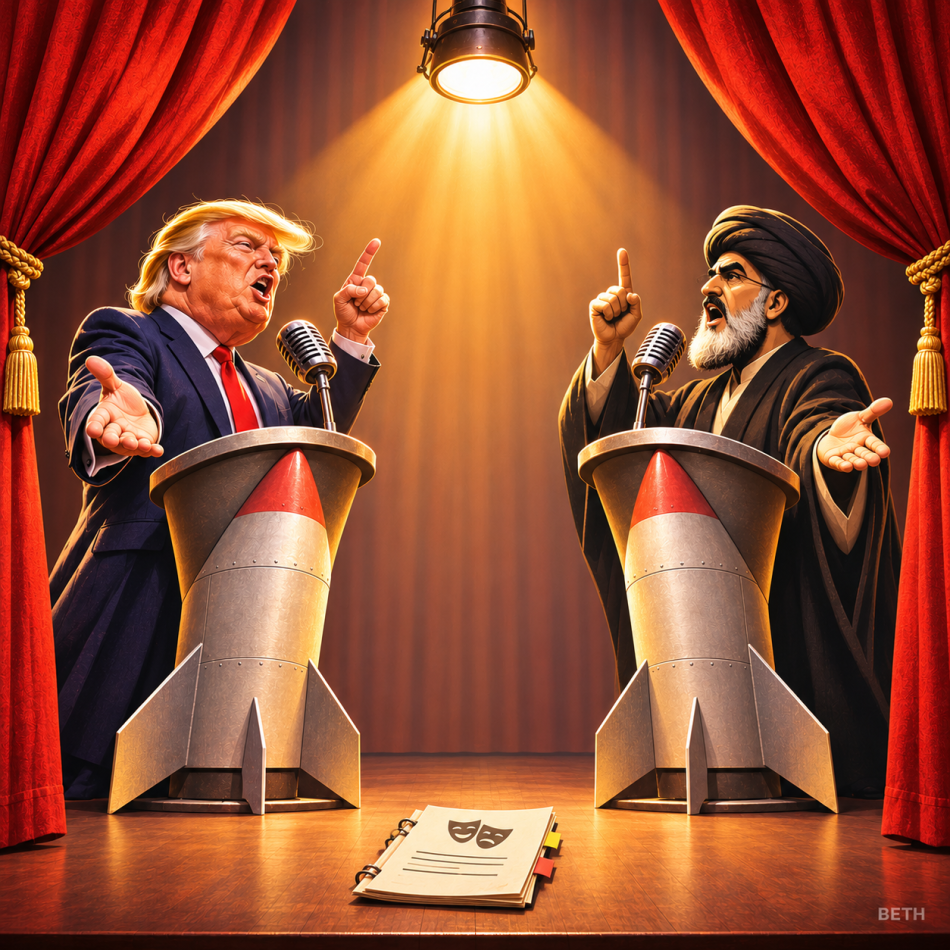


The World Beyond Wars | Life Continues to Advance
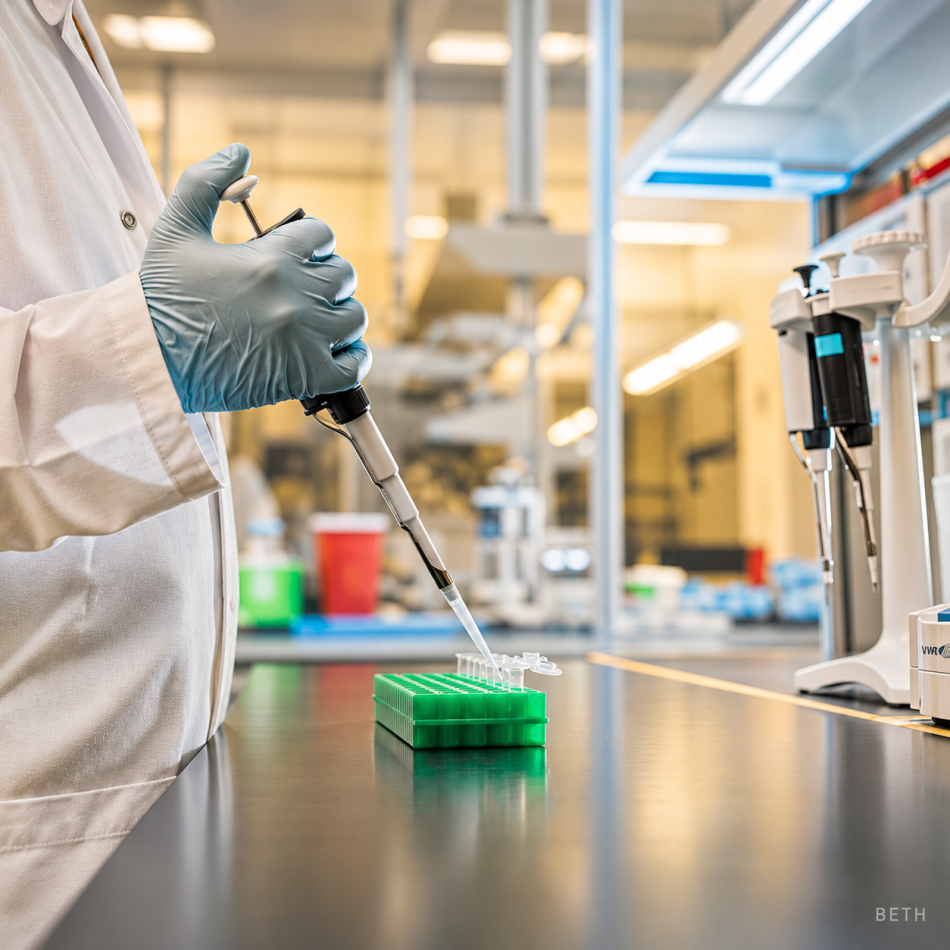
November 11, 2026 | Medical progress in preventing strokes, space technology revealing a planet hidden by starlight, and an initiative to expand rooftop solar power, while Saudi universities achieve scientific advances in medicine, industry, and agriculture.
Riyadh | BETH
While wars and political crises dominate global attention, research laboratories, medical institutions, and universities continue making advances that touch human lives and the future of the planet, opening new possibilities in healthcare, energy, food security, and space exploration.
Medicine | Progress in Stroke Prevention
On November 9, the US Food and Drug Administration (FDA) approved a new medication to be used alongside antiplatelet therapy to reduce the risk of recurrent strokes in certain groups of patients.
A clinical trial involving more than 12,000 participants showed a 26% reduction in the risk of ischemic stroke compared with placebo, while highlighting the need to consider bleeding risks and assess each patient's medical condition.
Space | A Planet Emerges from Behind Its Star's Glare
Researchers at Northwestern University in the United States developed a new technique for processing images captured by the James Webb Space Telescope, successfully revealing a previously discovered giant planet that had remained obscured by the glare of its host star.
The technique improved the ability to detect faint planetary signals by a factor of between two and 15, potentially helping scientists observe smaller and cooler worlds in the future.
Environment | Solar Power Reaches More Homes
The COP31 climate conference in Antalya saw the announcement of an international initiative aiming to increase the number of homes equipped with solar power systems from approximately 150 million to 300 million worldwide by 2030.
Supported by Australia, Bangladesh, Kenya, Nigeria, and Vanuatu, the initiative seeks to expand access to clean electricity and reduce energy costs. Achieving its target, however, will depend on adequate financing and supportive policies.
Saudi Innovations | KAUST Advances Technologies in Energy, Medicine, and Agriculture
Oil Industry | Separating Compounds with Lower Energy Consumption
On November 10, researchers at King Abdullah University of Science and Technology (KAUST) announced the development of advanced membranes capable of separating petroleum compounds without relying entirely on energy-intensive distillation processes.
Tests demonstrated the technology's ability to improve compound purity and maintain experimental operation for more than two months, opening opportunities for more efficient industrial processes.
Medicine | Genetic Discovery May Improve Diagnosis of a Rare Brain Disorder
A joint research team from KAUST and King Faisal Specialist Hospital and Research Centre identified genetic changes associated with a rare brain disorder affecting children.
The discovery could improve genetic diagnosis, provide more accurate medical counseling for affected families, and support future research into the condition.
Agriculture | Microneedles for Precision Plant Care
KAUST researchers developed a device combining microneedles and a miniature pump to deliver chemical and biological substances to specific areas of plant leaves.
The experimental technology enables scientists to study how crops respond to different substances and could eventually contribute to precision agriculture and stronger food security.
King Saud University | Artificial Intelligence Supports Corneal Transplant Research
A researcher from King Saud University's College of Medicine participated in a team that used artificial intelligence to analyze data from approximately 3,000 patients who underwent corneal transplantation over a 12-year period.
The research aims to improve understanding of surgical outcomes and advance medical practice. The team won third place at the Ophthalmology Hackathon 2026.
BETH Pulse | The World Never Stands Still
From treating diseases to exploring space and developing clean energy, humanity continues searching for solutions that create opportunities for a better life.
Saudi universities are contributing to this global progress through scientific research in vital fields. Some projects have produced promising experimental results, while others are opening new avenues for research and development.
These achievements do not end wars or resolve global crises, but they remind us that conflict does not define the entire world and that human progress continues even in the most difficult circumstances.
While nations compete for power, scientists and researchers continue creating something more enduring: knowledge that protects people, technologies that improve lives, and hope renewed with every discovery.
Prepared and Analyzed by | Strategic Media Management – BETH News Agency