

Saudi Arabia Cultivates the Future of the Red Sea
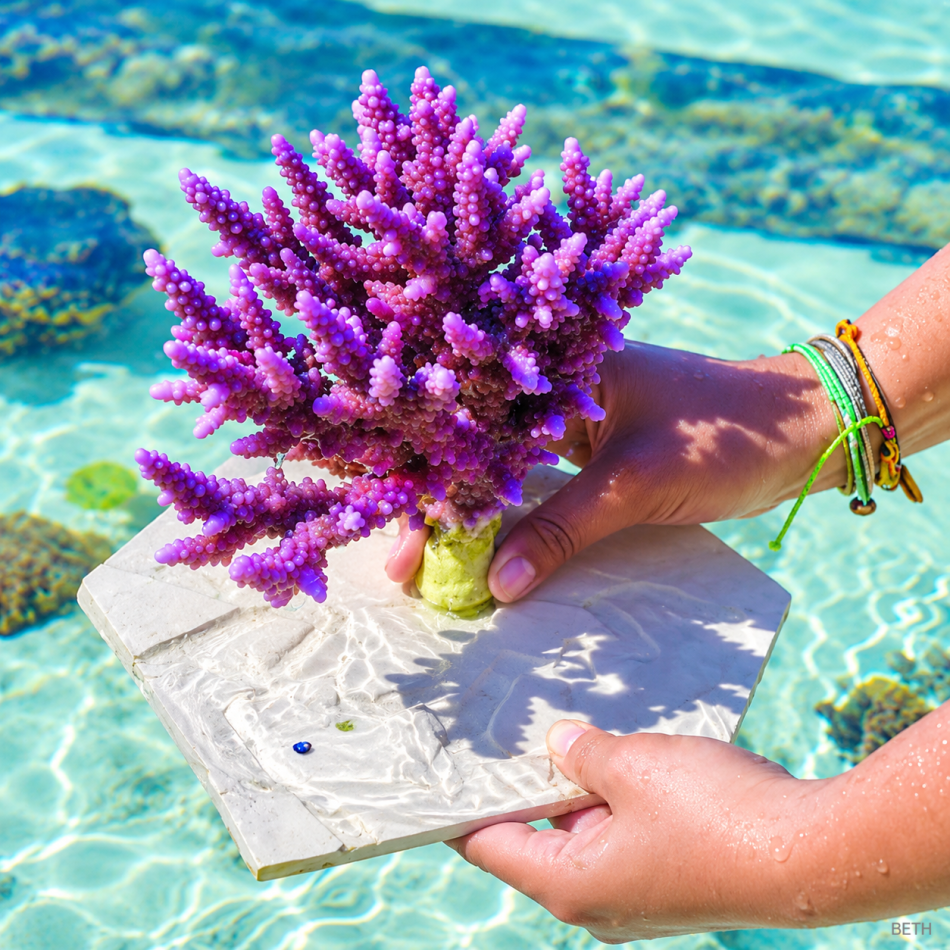
KAUST launches the world's largest coral propagation facility, with an annual capacity of 360,000 coral fragments, as part of a project targeting the transplantation of more than two million corals in the Red Sea by 2030, using artificial intelligence and robotics to develop technologies that address rising ocean temperatures.
RIYADH | BETH
November 15, 2026
As coral reefs face one of the world's most serious environmental crises, King Abdullah University of Science and Technology (KAUST) has announced the operation of the world's largest coral propagation and reef restoration facility, as part of a Saudi scientific initiative aimed at developing solutions applicable to seas and oceans worldwide.
The facility was internationally unveiled during the COP31 climate conference in Antalya, Türkiye, on November 11, following the start of its operations in May.
How Is Saudi Arabia Cultivating Coral?
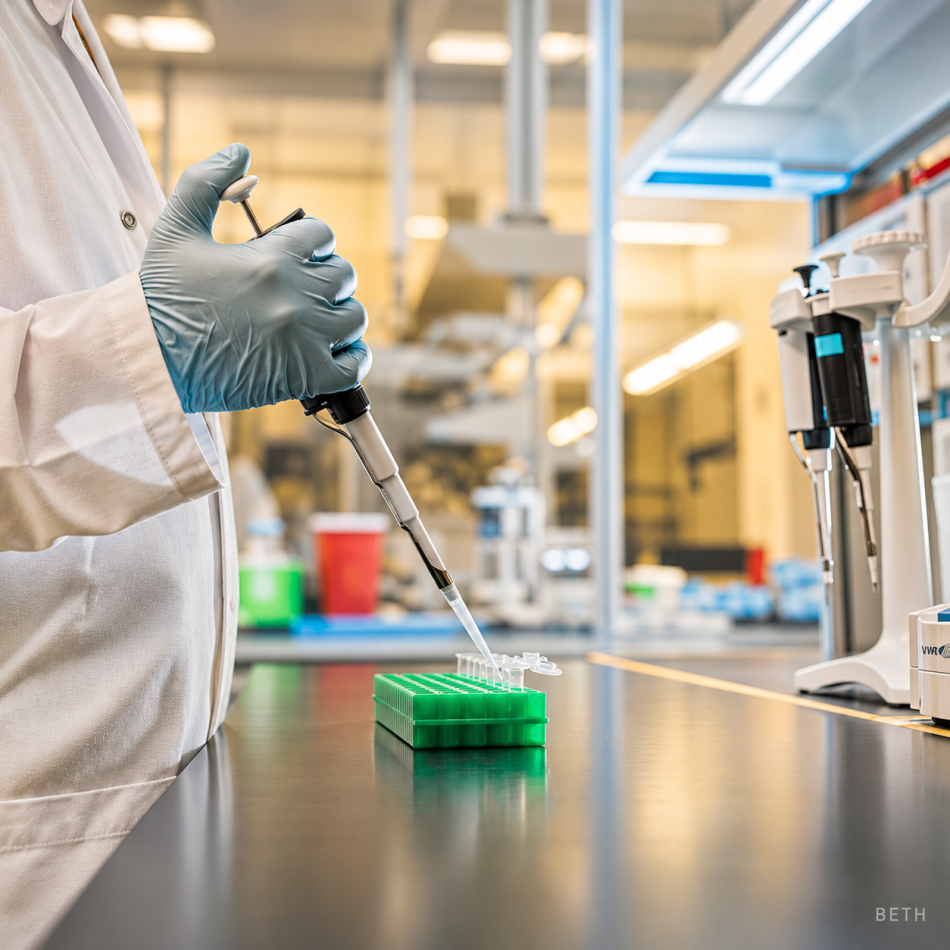
The project relies on cultivating coral in specialized tanks where temperature, lighting, salinity, and water flow are carefully controlled to create favorable conditions for reproduction and growth before transplantation into natural marine environments.
The facility has a targeted annual production capacity of 360,000 coral fragments, supporting plans to transplant more than two million corals across 100 hectares around Shushah Island in the Red Sea by 2030, with the longer-term goal of establishing reef ecosystems more resilient to climate change by 2040.
Artificial Intelligence Goes Beneath the Waves
The project extends beyond coral cultivation through its use of eCoral, an AI-powered digital twin system designed to simulate and analyze marine environments, identify suitable transplantation sites, and monitor coral growth and reef health.
It also encompasses more than 50 research programs focused on developing heat-tolerant corals, harnessing beneficial microorganisms, and advancing robotics and intelligent modeling.
Why Does the World Need Saudi Arabia's Experiment?
Approximately 84% of the world's coral reef areas experienced heat stress at levels capable of causing bleaching between 2023 and 2025, according to US monitoring data.
Coral reefs support around one-quarter of marine species, help protect coastlines, and provide food and livelihoods for hundreds of millions of people.
Red Sea corals are distinguished by their ability to survive in exceptionally warm and saline waters, making them an important scientific resource for understanding adaptation to ocean warming.
BETH Analysis | From Environmental Protection to a Knowledge-Based Industry
The project's strategic value lies in its potential to transform Saudi scientific expertise into technologies and research services applicable worldwide, opening opportunities in marine cultivation, environmental monitoring, robotics, and the blue economy.
However, success will not be measured solely by the number of coral fragments produced. It will depend on their survival rates after transplantation, the recovery of marine biodiversity, and the ability of restored reefs to withstand rising temperatures.
If the experiment succeeds on a large scale, Saudi Arabia could evolve from a country investing in Red Sea conservation into a global center for developing coral reef restoration technologies.
The question is: Could saving marine life become a new Saudi industry sought after by the world?
Prepared and Analyzed by | Strategic Media Department – BETH News Agency