


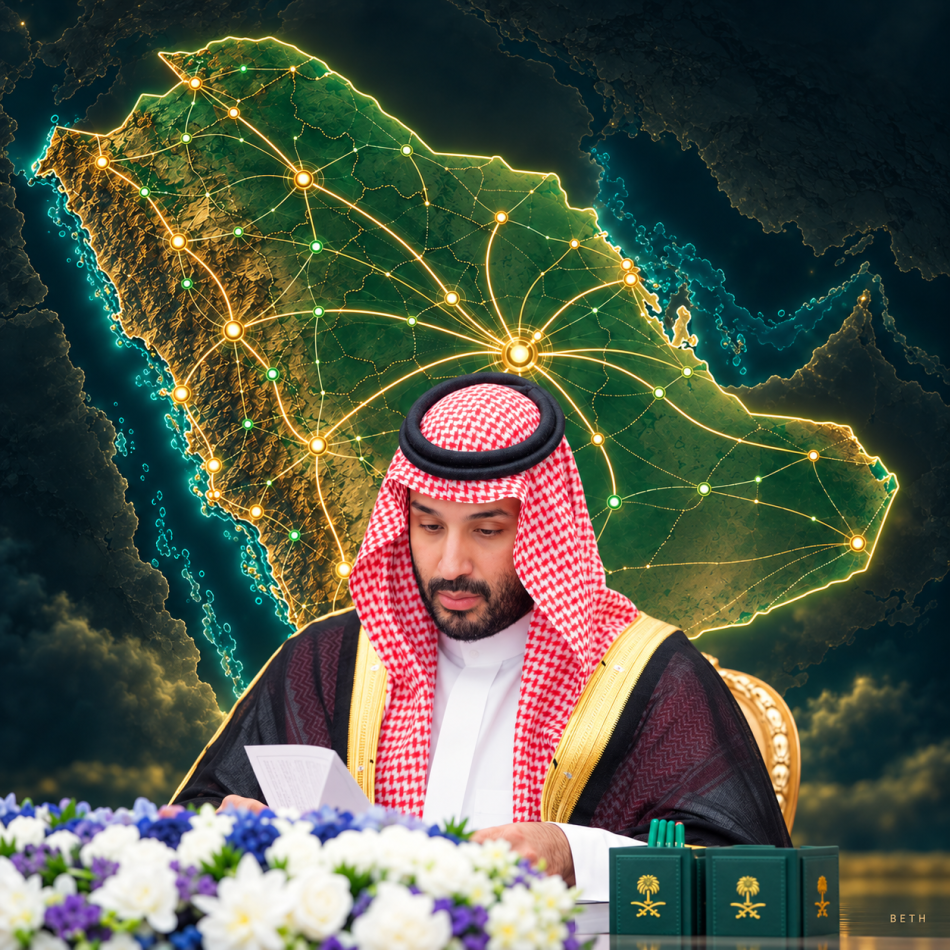
Saudi Cabinet, Chaired by Crown Prince: Houthis Will Face Consequences of Their Attacks
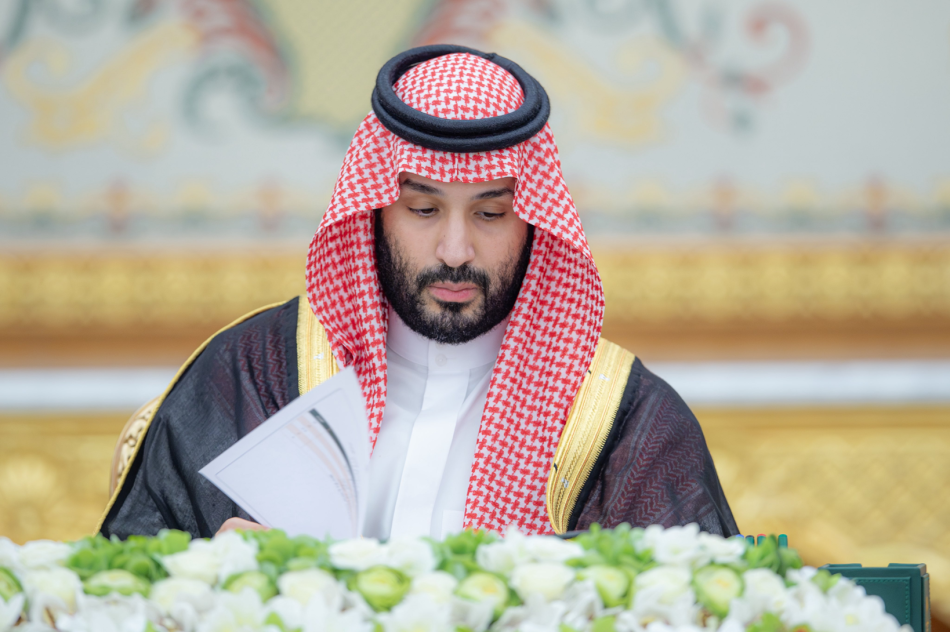
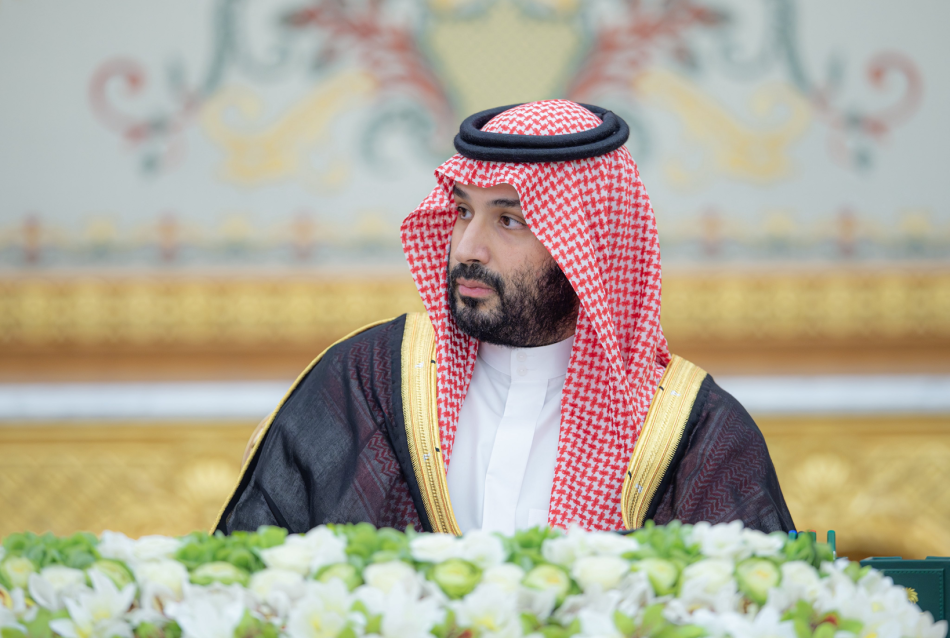
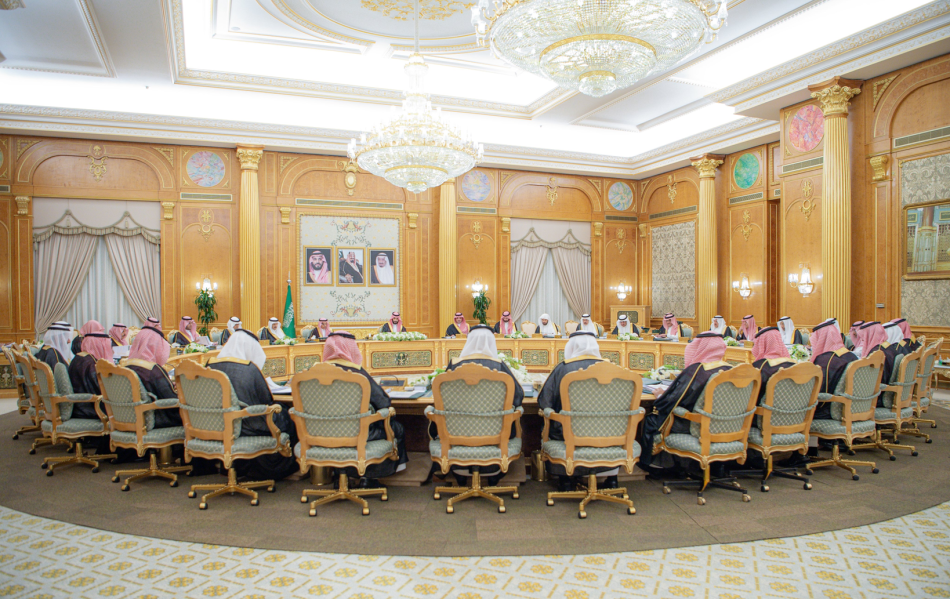
The Saudi Cabinet, chaired by the Crown Prince, reaffirms its commitment to protecting the Kingdom's security and freedom of navigation in the Red Sea and Bab Al-Mandab; welcomes the restoration of oil flows through the East–West Pipeline and approves the merger of the foreign trade and export development authorities
Riyadh | October 13, 2026
Coverage and Analysis | Strategic Media Department – BETH News Agency
His Royal Highness Prince Mohammed bin Salman bin Abdulaziz, Crown Prince and Prime Minister of Saudi Arabia, chaired a Cabinet meeting in Riyadh today, during which the Council affirmed that the terrorist Houthi militia would face the consequences of its repeated attacks on Saudi airports, Makkah and Madinah, pilgrims and visitors to the Two Holy Mosques, and civilian and economic facilities.
The Cabinet commended the decisive role of the Saudi Armed Forces in defending the nation, safeguarding the security of citizens and residents, and deterring threats. It reaffirmed the Kingdom's determination to continue its development while pursuing peace and stability in the region and the wider world.
The Council also extended its condolences to the families of those killed in the Houthi attacks and wished the injured a speedy recovery.
Red Sea: Protecting Freedom of Navigation
The Cabinet praised the military operations conducted by the Coalition to Support Legitimacy in Yemen to neutralize Houthi threats to the Yemeni people, international security, global trade, and supply chains.
It emphasized that Saudi Arabia would not allow threats to its security or to freedom of navigation in the Red Sea and the Bab Al-Mandab Strait, expressing appreciation for the positions taken by brotherly and friendly countries and international organizations in condemning the attacks.
East–West Pipeline: Oil Flows Restored
The Cabinet welcomed the successful restoration of oil flows through the East–West Pipeline, describing the rapid recovery as evidence of the Saudi energy system's operational resilience, technological capabilities, and ability to respond effectively to emergencies.
It underscored the importance of maintaining uninterrupted supplies to international markets, reinforcing the Kingdom's reliability as a major energy supplier and supporting the global economy.
Riyadh: A Global Energy Conference
The Cabinet welcomed participants in the 25th World Petroleum Congress and the Arab and international ministerial meetings being hosted in Riyadh this week.
It highlighted Saudi Arabia's position as a global center for dialogue, innovation, knowledge exchange, and partnership-building in the energy sector.
Regional and International Cooperation
The Cabinet reviewed the outcomes of recent talks and meetings between Saudi Arabia and brotherly and friendly countries aimed at strengthening cooperation and coordination in addressing shared challenges.
It also welcomed the outcomes of the fifth meeting of the Security Coordination Committee under the Saudi-Bahraini Coordination Council, including the commitment to continue implementing joint security initiatives.
Blood Donation: Widespread Community Participation
The Cabinet expressed appreciation for the broad public response to the 2026 annual national blood donation campaign launched by the Crown Prince.
The campaign aims to strengthen humanitarian values and contribute to achieving self-sufficiency in blood units and blood components, ensuring that patients' medical needs are met across the Kingdom.
Cabinet Decisions
1. Islamic Cooperation: Approval of Saudi Arabia's accession to the humanitarian funds of the Organization of Islamic Cooperation (OIC).
2. Cultural Cooperation with Syria: Authorization for the Minister of Culture, or a designated representative, to hold talks with the Syrian side on a draft memorandum of understanding on cultural cooperation between the two countries and to sign it.
3. Meteorology: Authorization for the Minister of Environment, Water and Agriculture, in his capacity as Chairman of the Board of Directors of the National Center for Meteorology, or a designated representative, to negotiate and sign a draft memorandum of understanding with the Middle East Green Initiative on cooperation in meteorology.
4. Education: Approval of a scientific and educational cooperation memorandum between the Saudi Ministry of Education and the UNESCO Regional Center for Quality and Excellence in Education.
5. Research and Innovation with Türkiye: Approval of a memorandum of understanding between Saudi Arabia's Research, Development and Innovation Authority and Türkiye's Scientific and Technological Research Council to strengthen cooperation in research, development, and innovation.
6. Rights of Persons with Disabilities: Approval of a model memorandum of understanding between Saudi Arabia's Authority for the Care of Persons with Disabilities and corresponding authorities and international organizations. The Minister of Human Resources and Social Development, or a designated representative, was authorized to negotiate and sign agreements based on the approved model.
7. Banking Cooperation with Egypt: Authorization for the Governor of the Saudi Central Bank, or a designated representative, to negotiate and sign a draft memorandum of understanding with the Central Bank of Egypt on cooperation in supervising and regulating financial institutions under their respective jurisdictions.
8. Gulf Food Security: Approval of the Gulf Cooperation Council's Food Security Strategy as a guiding framework for three years.
9. Foreign Trade Authority: Appointment of the Minister of Industry and Mineral Resources as Chairman of the Board of Directors of the General Authority for Foreign Trade, with the Minister of Commerce serving as Vice Chairman.
10. Merger of Two Economic Authorities: Approval of the merger of the General Authority for Foreign Trade and the Saudi Export Development Authority into a single entity named the General Authority for Foreign Trade and Export.
The Cabinet directed the preparation of the necessary merger arrangements and the submission of matters requiring regulatory action within 180 days.
11. Insurance Authority: Appointment of Abdullah bin Ahmed Al-Tuwaijri as a member of the Board of Directors of the Insurance Authority.
12. Diriyah Gate: Approval of the final accounts of the Diriyah Gate Development Authority for a previous fiscal year.
13. Annual Reports: Issuance of the necessary directives concerning several matters on the Cabinet's agenda, including annual reports from the Ministries of Justice and Media; the Zakat, Tax and Customs Authority; the Saudi Authority for Intellectual Property; the Environment Fund; the National Research and Development Center for Sustainable Agriculture; the National Center for Government Resource Systems; the Institute of Public Administration; and the National Risks Council.
14. Promotions and Senior Diplomatic Appointments: Approval of promotions to the 15th civil service rank and to the diplomatic ranks of Ambassador and Minister Plenipotentiary, as follows:
Ministry of Interior: Promotion of Sultan bin Arar Al-Dosari to Senior Business Adviser at the 15th rank.
Ministry of Finance: Promotion of Fahad bin Saad Al-Dosari to Senior Computer Engineering Technology Adviser at the 15th rank.
Ministry of Foreign Affairs – Ambassador: Promotion of:
Saqr bin Sulaiman Al-Qurashi.
Ghazi bin Rafea Al-Anazi.
Ahmed bin Abdulaziz Salamah.
Fawaz bin Abdulrahman Al-Shubaili.
Ministry of Foreign Affairs – Minister Plenipotentiary: Promotion of:
Turki bin Huwaij Al-Salloum.
Yousef bin Omar Jazzar.
Khalid bin Abdullah Al-Ghufais.
Mohammed bin Misfer Al-Otaibi.
Saad bin Ali Asiri.
Ahmed bin Mohammed Al-Hajri.
Mohammed bin Ahmed bin Shafi.
Imad bin Amin Elias.
BETH Analysis
The Cabinet meeting brought together decisive security measures and the continuity of economic activity, conveying a clear message that confronting threats does not disrupt Saudi Arabia's development priorities.
The emphasis on protecting maritime navigation and restoring oil flows through the East–West Pipeline underscores the importance of resilient energy infrastructure, not only for the Kingdom but also for global markets.
On the economic front, the merger of the foreign trade and export development authorities represents an organizational step toward consolidating efforts to improve Saudi products' access to international markets and strengthen their competitiveness.
The broader significance is that Saudi Arabia is managing the demands of security, energy, and development through parallel approaches that combine the protection of national interests with the advancement of economic growth.