


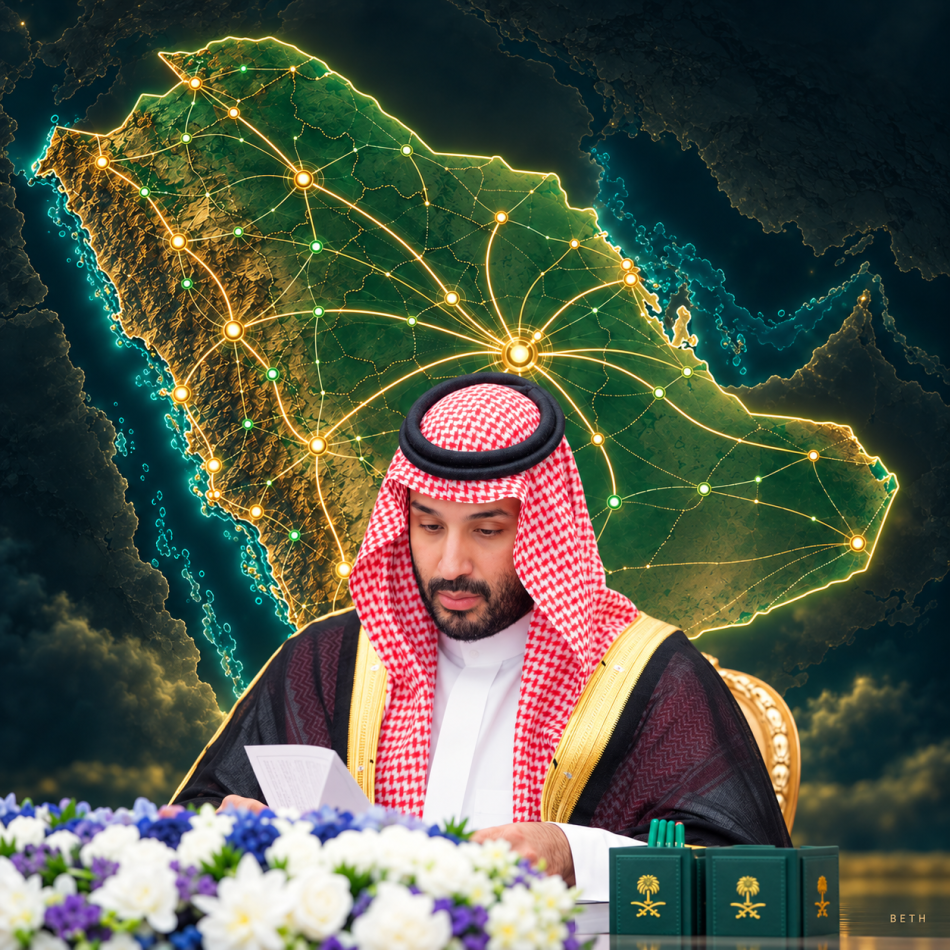
World Petroleum Congress in Riyadh Continues Its Sessions
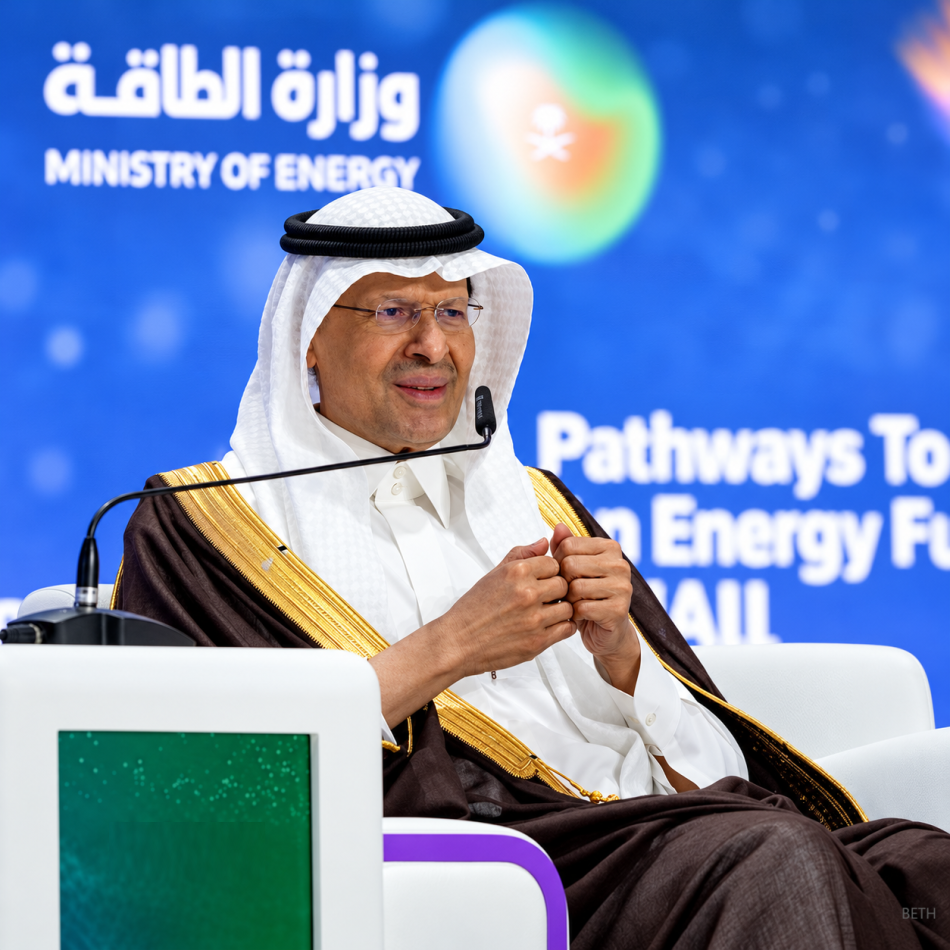
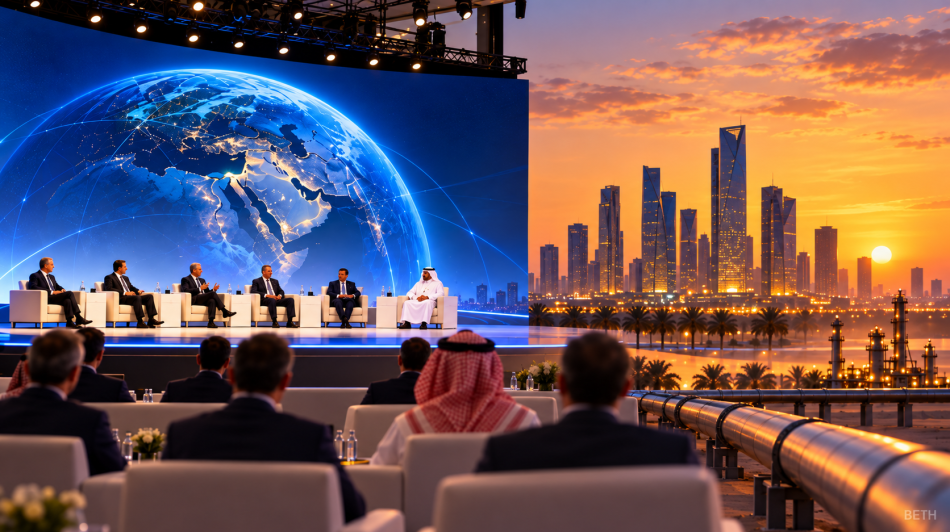
The World Petroleum Congress devotes today's sessions to future oil demand, artificial intelligence, transportation, and energy project financing, as Saudi and international participants discuss the requirements for securing energy supplies in the years ahead.
Riyadh | October 13, 2026
Coverage and Analysis | Strategic Media Department – BETH News Agency
The 25th World Petroleum Congress continued its proceedings in Riyadh today, shifting its focus from the ministerial messages delivered at the opening to investment, technology, and the future of global energy demand.
Tuesday's program focuses on the challenges facing the energy sector in securing supplies, developing infrastructure, and harnessing advanced technologies.
Riyadh is hosting the 25th World Petroleum Congress from October 11 to 15, 2026, with its official sessions having begun on October 12. The event brings together energy ministers, leaders of global oil and gas companies, senior executives, experts, investors, academics, and representatives of international organizations.
Saudi Arabia is hosting the congress for the first time since its establishment in 1933, under the theme “Pathways to an Energy Future for All.” Organizers announced a target of approximately 25,000 energy industry leaders and professionals attending the international event.
Oil: Investment Decisions
The congress dedicated a major session to oil market fundamentals and their role in guiding the investment needed to meet global demand. Participants included Fahad Alajlan, President of the King Abdullah Petroleum Studies and Research Center (KAPSARC), alongside international experts Daniel Yergin and Bassam Fattouh.
The significance of the session lies in linking demand forecasts with long-term investment decisions, particularly as developing production capacity takes years, while energy markets respond much more rapidly to geopolitical developments.
Artificial Intelligence and Energy
The congress program explored the relationship between energy and artificial intelligence, with representatives from Saudi organizations, international technology companies, and oilfield services firms participating in the discussions.
This issue is becoming increasingly important as digital technologies are used to improve efficiency and optimize operations, while data centers simultaneously drive growing demand for electricity.
Transportation and Financing
The congress dedicated a session to advances in transportation and energy technologies, with the participation of Saudi Vice Minister of Transport and Logistic Services Rumaih Al-Rumaih, International Maritime Organization Secretary-General Arsenio Dominguez, and representatives of the maritime transport industry.
The program also addressed financing prospects for Saudi Arabia's energy sector, with the participation of the Saudi Export-Import Bank, the Saudi Industrial Development Fund, and the Arab Energy Fund.
Together, these discussions connect the security of energy transportation with the financing required to develop essential infrastructure.
Statements Shaping the Discussion
Amin H. Nasser, President and CEO of Saudi Aramco, emphasized in his remarks yesterday that disruptions to shipping through the Strait of Hormuz had exposed the vulnerability of global energy supply chains.
He pointed to the consideration of additional crude oil export routes and the expansion of overseas storage capacity.
Nasser explained that rebuilding global inventories while continuing to meet demand could take two years, underscoring the importance of early investment in energy system resilience.
BETH Analysis
The discussions in Riyadh demonstrate that energy security is no longer determined by production volumes alone. It also encompasses financing, transportation, storage, and the ability to maintain uninterrupted operations.
This perspective is particularly significant for Saudi Arabia, which combines substantial production capabilities with investments in infrastructure and advanced technologies.
The central implication is that energy investment is no longer merely a delayed response to rising prices. It has become a strategic decision that determines the ability of global markets to withstand future crises.