


Saudi Coffee Production Surges 825% in Six Years
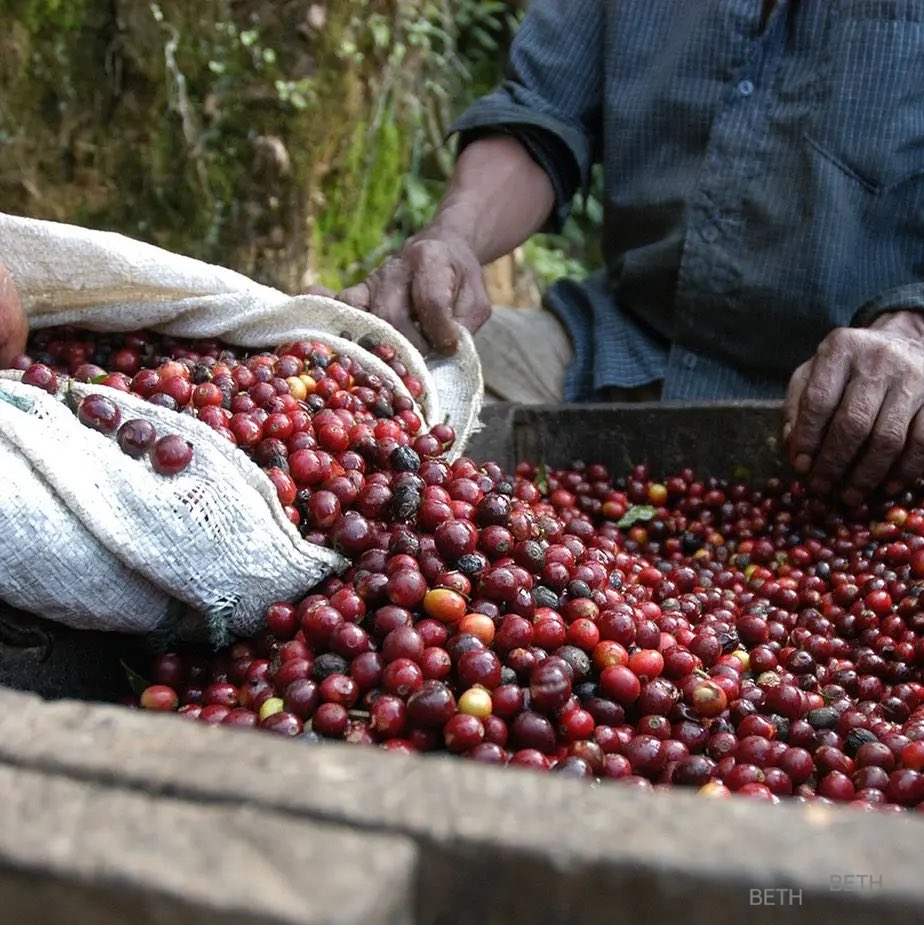
Reef Saudi Arabia: Annual production rises from 800 to 7,400 tonnes, supported by more than SAR 185 million in funding, with output expected to exceed 20,000 tonnes once agricultural assets reach full production capacity.
Riyadh | BETH
November 12, 2026
Saudi Arabia's coffee sector has recorded remarkable growth over the past six years, with annual production increasing from 800 tonnes in 2020 to approximately 7,400 tonnes in 2026, representing an 825% rise, according to the Sustainable Agricultural Rural Development Program, Reef Saudi Arabia, on Thursday.
Program spokesperson Majed Al-Buraikan said the number of beneficiaries in the coffee sector had exceeded 6,200, marking a 207% increase compared with 2021.
Total financial support provided to the sector surpassed SAR 185 million, as part of efforts to empower small-scale producers and develop coffee production, processing, and marketing value chains.
4.4 Million Coffee Seedlings
The program revealed that the number of productive agricultural assets had reached approximately 4.4 million coffee seedlings, with annual production expected to exceed 20,000 tonnes once their full production capacity is achieved.
Development initiatives included producing 1,000 improved cuttings to enhance coffee varieties and productivity, implementing agricultural projects involving 8,000 seedlings, and conducting cultivation trials at 12 locations to expand coffee farming.
Specialized training programs also focused on organic agriculture, modern irrigation techniques, and pest management.
Actual production in 2026 exceeded the program's annual target of 7,000 tonnes, while its objectives included increasing the Kingdom's coffee self-sufficiency rate from 0.5% to 4.4%.
BETH Analysis | From Farms to Industry
The figures highlight the Saudi coffee sector's transition toward a broader phase of growth, supported by increased production, improved agricultural practices, and greater opportunities for local producers.
However, the sector's greatest economic potential extends beyond expanding harvest volumes to include roasting, processing, packaging, marketing, and developing Saudi brands capable of competing in international markets and expanding exports.
Achieving future annual production exceeding 20,000 tonnes will also require continued improvements in farm efficiency, crop quality, and supply chains.
Saudi coffee is thus evolving from a deeply rooted symbol of hospitality into a promising agricultural and industrial product, combining cultural identity with growing economic value.