



Day 226: Conditions for a Decisive Outcome Tighten
Prepared and Analyzed by | Strategic Media Department – BETH News Agency
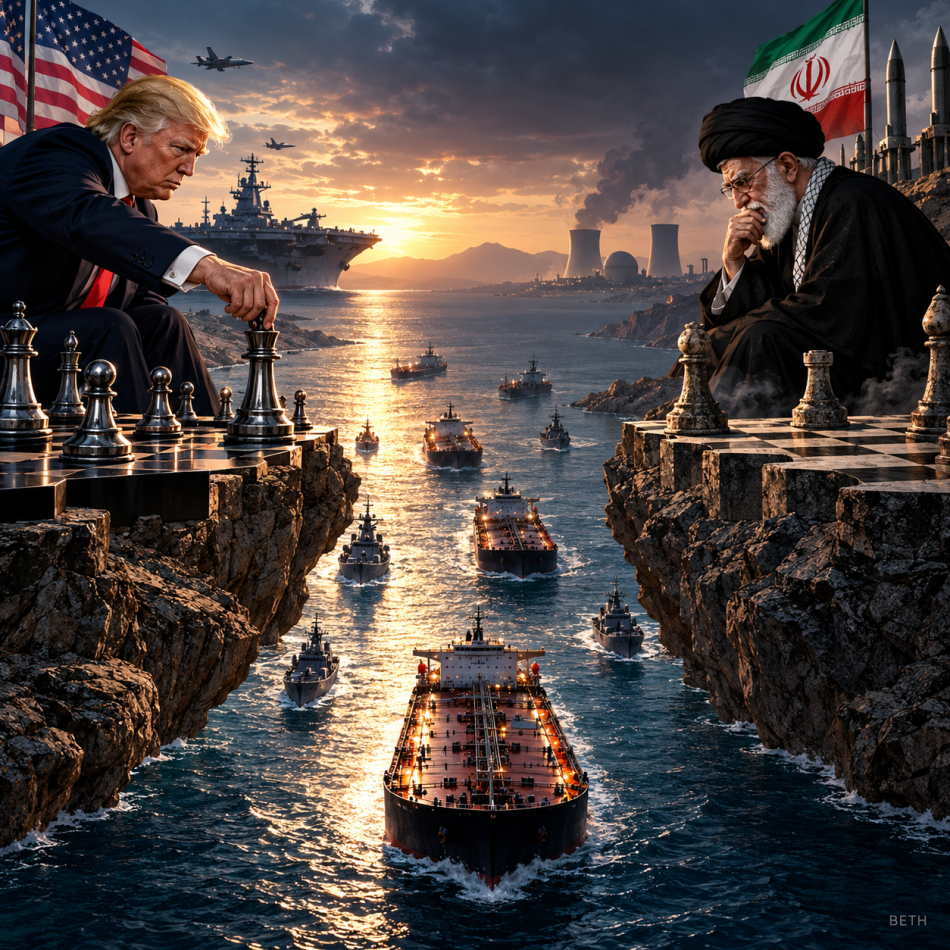
The US-Iran war entered its 226th day amid continued military and economic escalation, with US President Donald Trump threatening to strike heavily fortified Iranian nuclear facilities, tightening the blockade on Iranian oil exports, and growing threats to maritime navigation through the Strait of Hormuz.
While Washington seeks to impose tougher conditions for ending the war, Tehran continues to rely on its maritime and political leverage. Meanwhile, the conflict's repercussions are spreading to Yemen and the wider region, with no decisive progress in negotiations.
The confrontation is approaching a new test: Will mounting pressure lead to a political settlement, or pave the way for a more intense military confrontation?
Developments
Trump Threatens Strike on Nuclear Facility
US President Donald Trump said Washington might need to target Iran's heavily fortified "Pickaxe Mountain" facility, which is linked to its nuclear program. He emphasized that he does not intend to use nuclear weapons or deploy US ground forces, while leaving open the possibility of using a powerful conventional bunker-busting bomb.
Major Tanker Incident in Hormuz
Iran's Islamic Revolutionary Guard Corps announced that a tanker carrying more than two million barrels of oil exploded and caught fire after striking a naval mine while passing through the strait. The Iranian account has yet to be independently confirmed by maritime authorities.
Washington Announces Blockade Results
US Central Command chief Admiral Brad Cooper said American measures had prevented Iran from exporting at least $25 billion worth of oil, alongside the freezing of approximately $350 million in digital assets. The figures represent the US military's stated assessment of its operations.
Negotiations Remain Deadlocked
Washington insists that the nuclear issue must form part of any settlement, while Tehran wants the conditions for reopening the Strait of Hormuz and lifting the blockade addressed first. Contacts through intermediaries continue without any announced diplomatic breakthrough.
Escalation Extends to Yemen and Saudi Arabia
A new missile attack targeted Aden International Airport in recent hours, while military operations against Houthi positions in Yemen continue. Meanwhile, a Saudi official accused Iran of encouraging Houthi attacks against the Kingdom. (Further details in Dawn of Yemen.)
Economic and Military Indicators
Two additional developments stand out:
Declining Iranian Oil Exports: Tanker-tracking data indicated that Iranian crude exports came to a halt in October under the US blockade, although reports suggest limited shipments of energy products have continued through indirect channels.
US Moves to Contain Fuel Prices: Washington offered to exchange up to 17 million barrels from its Strategic Petroleum Reserve, while Trump temporarily eased certain sanctions related to Russia. Both measures reflect the administration's efforts to limit the war's impact on energy markets.
Outlook and Analysis
Three developments warrant close attention in the coming days.
Military Front: Will Trump's threats against Iranian nuclear facilities translate into actual strikes? Such an operation would signal a new level of US military escalation.
Maritime Front: Continued attacks on tankers increase shipping and insurance costs, making maritime security an essential component of any settlement.
Political Front: Diplomatic contacts in Baghdad and through intermediaries could create opportunities for further engagement. However, disagreements over the sequence of addressing the nuclear program, the blockade, and the Strait of Hormuz remain the main obstacle.
BETH Assessment
The confrontation is becoming a test of endurance. The United States is seeking to cut off Iran's financial resources and tighten the terms of a settlement, while Tehran uses maritime threats to regain negotiating leverage.
Saudi Arabia, meanwhile, faces the spillover of the conflict into Yemen and its accompanying security and economic consequences.
The central strategic question is no longer simply when negotiations will take place, but whether Washington and Tehran can reach the negotiating table before a more serious military escalation occurs.