



U.S. Begins Preparations for Its Expo 2030 Riyadh Pavilion
U.S. State Department outlines design and construction requirements for the American pavilion at Expo 2030, with an estimated cost of up to SAR 244 million, a site exceeding 5,000 square meters, and capacity to receive at least 23,000 visitors daily
Riyadh | BETH
The U.S. Department of State has begun contracting procedures for the design and construction of the United States pavilion at Expo 2030 Riyadh, with an estimated cost ranging from SAR 206 million to SAR 244 million, marking a new step in international preparations for the event hosted by Saudi Arabia.
On October 9, the department issued a request for information to specialized companies to assess market capabilities and identify qualified firms to carry out the project, ahead of further contracting procedures.
The scope of work includes designing and constructing the pavilion, fitting out its interior exhibitions, installing its facilities, and ultimately dismantling and removing the structures after the exhibition concludes.
Three Floors
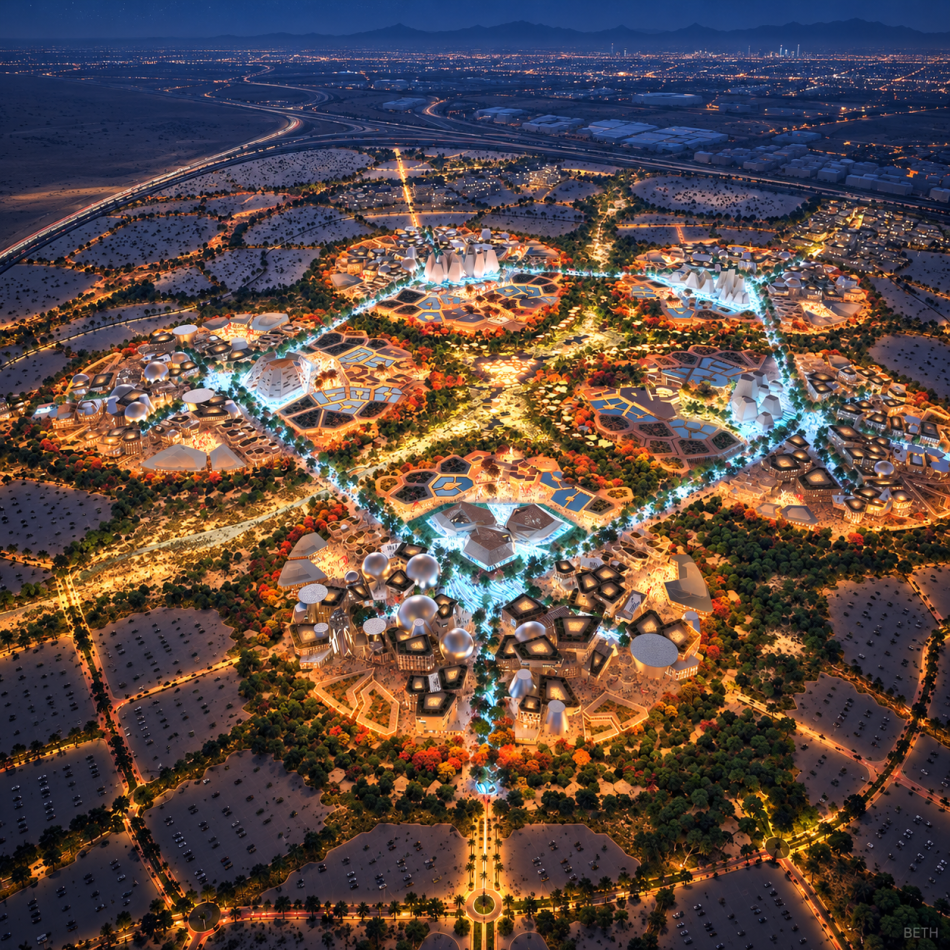
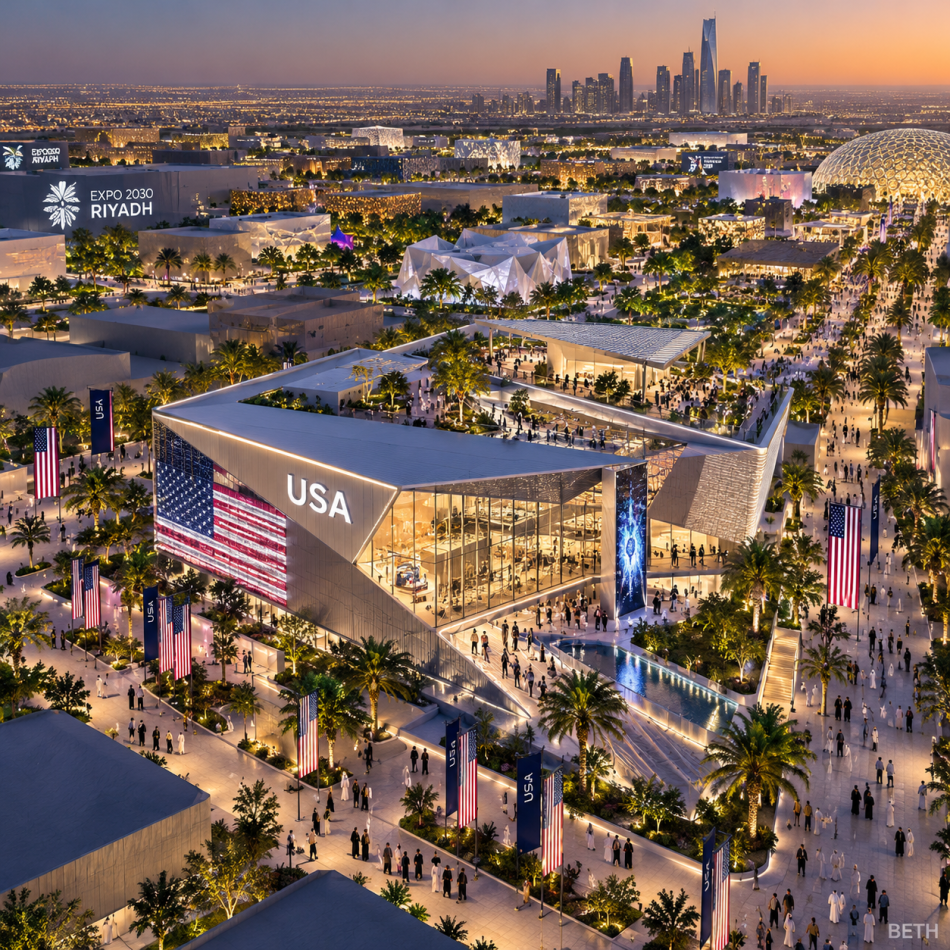
The American pavilion will be built on a 5,368-square-meter site within the technology zone of the exhibition's master plan, near the main promenade designated for national pavilions.
The planned building will consist of approximately three floors, with exhibition areas, interactive experiences, and supporting facilities. Its targeted capacity is at least 23,000 visitors per day.
The construction and operational requirements include visitor reception facilities, exhibition installations, and services needed to provide an integrated visitor experience throughout the event.
Early Preparations
The U.S. initiative represents a practical step toward preparing one of the exhibition's major national pavilions and reflects the scale of engineering, technical, and organizational work required ahead of the opening of Expo 2030 Riyadh.
The exhibition will take place from October 2030 to March 2031, with broad international participation, serving as a platform for showcasing technologies, innovations, and cultural and economic experiences.
The U.S. project highlights the growing scale of early international preparations for the exhibition, while the pavilion's specifications and anticipated investment reflect the importance of American participation in the global event hosted by Riyadh.
Note: The accompanying image of the American pavilion at Expo 2030 Riyadh is an artistic rendering prepared by BETH News Agency and does not represent the pavilion's officially approved design.