



Day 225: Blockade Before Settlement
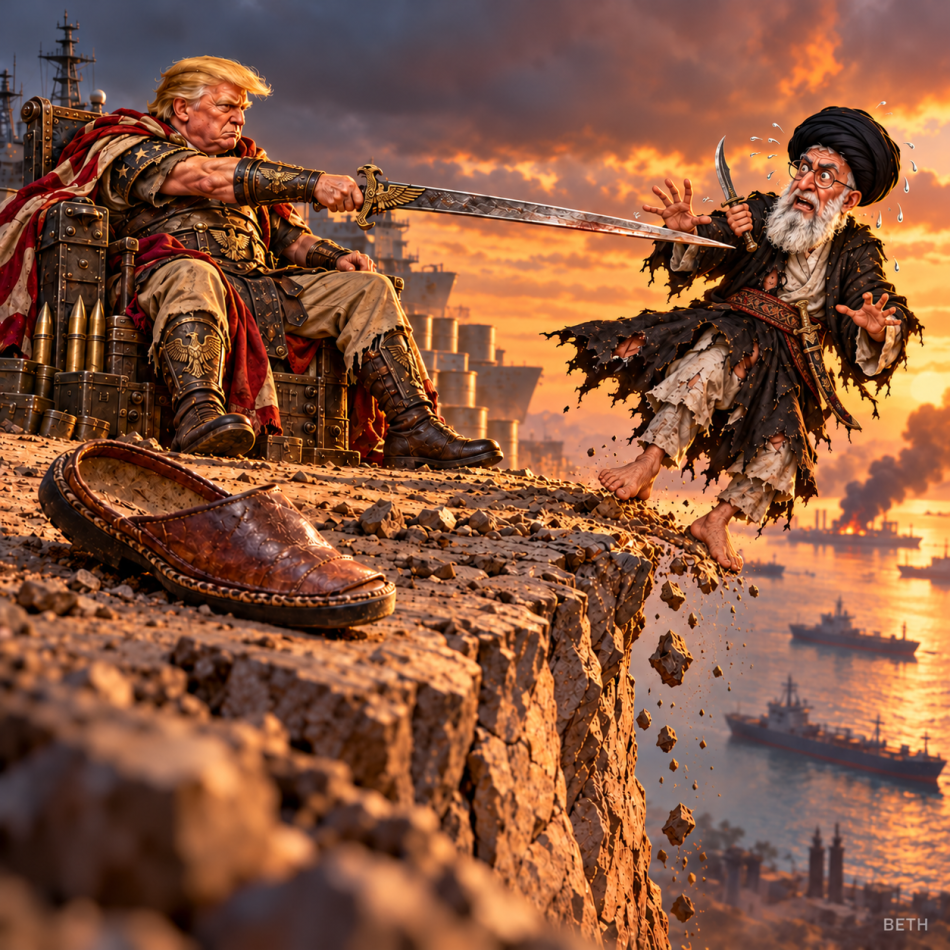
Washington expands sanctions and maintains its financial and maritime blockade of Iran; Saudi Arabia accuses Tehran of encouraging Houthi escalation, while energy markets continue to face disruptions despite improving supply flows.
October 16, 2026
Prepared and Analyzed by | Strategic Media Department – BETH News Agency
The U.S.-Iran war entered its 225th day as Washington continued efforts to restrict Tehran’s financial and military resources, while no decisive signs of progress emerged in negotiations concerning Iran’s nuclear program and freedom of navigation through the Strait of Hormuz.
Washington Expands Sanctions
The U.S. administration imposed new sanctions targeting 16 individuals and 10 entities linked to Iran, as part of a campaign aimed at disrupting financial networks, preventing sanctions evasion, and limiting Tehran’s ability to finance its military activities.
The measures follow the ongoing U.S. maritime blockade, which, according to U.S. Central Command, had resulted in the diversion of 135 commercial vessels by October 15, alongside operations to disable or destroy tankers associated with Iranian networks.
Trump Outlines Military Escalation Options
U.S. President Donald Trump confirmed that negotiations and communications with Iran are continuing, stating that Tehran had requested an end to American and Israeli strikes.
Trump ruled out the use of nuclear weapons or the deployment of U.S. ground forces, while keeping conventional military options open, including the possible use of the “Mother of All Bombs” and strikes against fortified nuclear facilities.
Saudi Arabia Accuses Iran
Saudi Deputy Foreign Minister for Public Diplomacy Dr. Raed Krimly stated that Iran continues to arm, train, and support the Houthis, accusing Tehran of encouraging the recent escalation against the Kingdom.
Energy Markets Adapt to War
Shipping industry data revealed that marine fuel costs have risen by more than 70% compared with pre-war levels, prompting shipping companies to shift refueling operations to alternative ports away from areas of instability in the Gulf.
Despite improvements in some oil supply flows, the war continues to affect transportation and insurance costs, as well as global supply chains.
BETH Analysis | Narrowing Tehran’s Options
Recent developments indicate that Washington is continuing to deplete Iran’s resources rather than relying solely on military strikes, while keeping diplomatic channels open.
Meanwhile, Tehran has yet to announce concessions that would resolve disagreements over uranium enrichment and freedom of navigation.
The most significant shift is that ending the war is no longer tied exclusively to the nuclear issue. It now also requires arrangements to secure maritime routes and end regional threats, particularly Houthi attacks.
Key Developments
Trump Threatens Strike on Fortified Nuclear Facility
U.S. President Donald Trump said in an interview with Newsmax that the United States might need to target the “Pickaxe Mountain” site, which is linked to Iran’s nuclear program and is believed to be heavily fortified.
He ruled out the use of nuclear weapons or the deployment of U.S. ground troops but did not rule out the use of highly destructive conventional weapons. This represents a new military threat, rather than an announcement that an order to carry out the strike has been issued.
Tehran Demands U.S. Withdrawal to Reopen Hormuz
Iranian military spokesman Mohammad Akraminia announced that the Strait of Hormuz would reopen if U.S. forces withdrew from the region, threatening to force them out if they refused to leave.
The statement marks a shift in Iranian rhetoric, from demanding the removal of maritime restrictions to linking freedom of navigation to the American military presence in the region.
U.S. Blockade Faces Attempts to Circumvent It
Maritime tracking data revealed that eight liquefied gas carriers and at least one jet fuel tanker have managed to transport Iranian shipments since mid-July, despite the U.S. blockade, using ship-to-ship transfers and concealed shipping routes.
Washington maintains that the blockade is highly effective, while the data indicate that restricting Iranian exports has not completely eliminated attempts to circumvent the measures.
Washington Considers Easing Restrictions on “Shadow Fleet” Tankers
The U.S. administration is considering easing certain restrictions on tankers associated with sanctioned oil trading, aiming to increase maritime transport capacity and reduce shipping and fuel costs.
The important distinction is that the discussions concern the tankers and their use, rather than any announced lifting of the blockade on Iranian oil exports.
Tanker Freight Rates Decline Despite Persistent Risks
Freight rates for very large crude carriers have fallen from record levels this week but remain elevated due to maritime security risks, insurance costs, and complications affecting transit routes.
This suggests that markets are beginning to adapt partially to wartime conditions, without indicating that maritime navigation has returned to normal.