


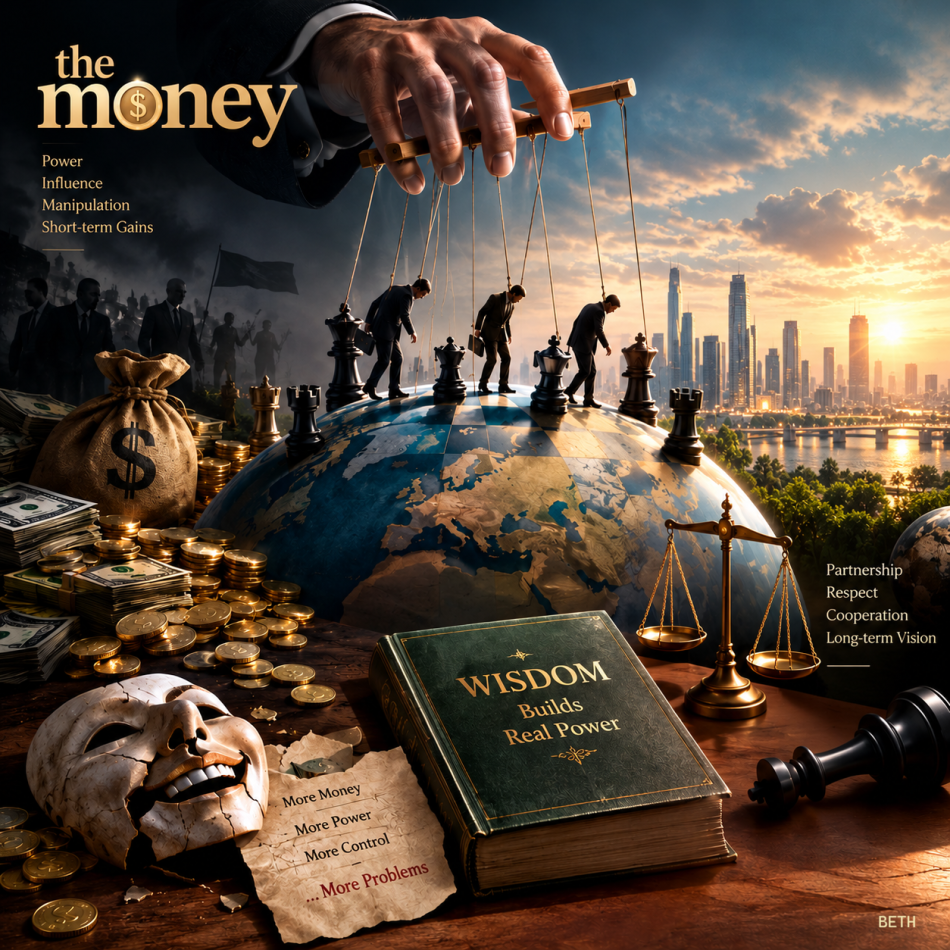
Stereotypes
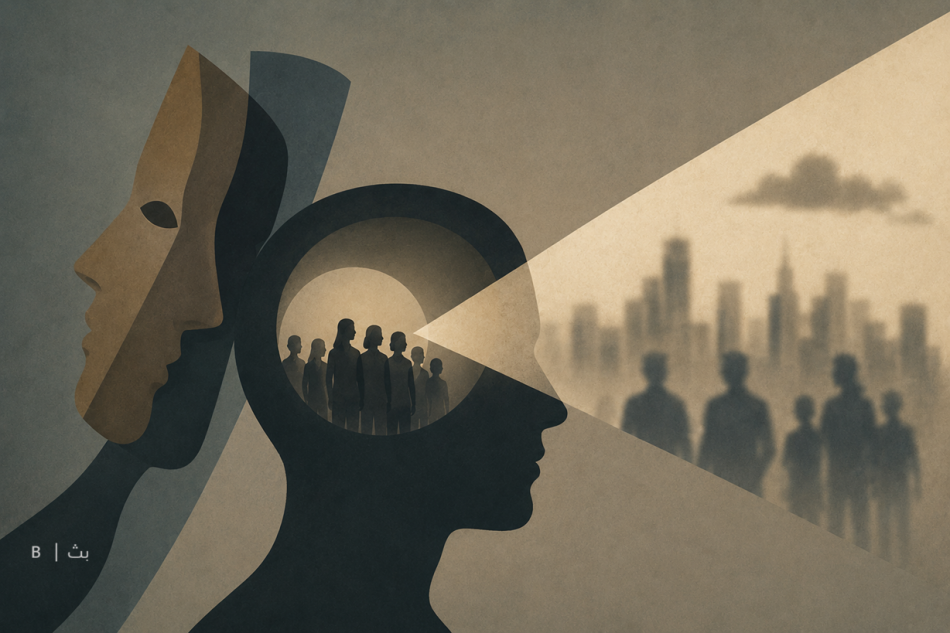
How Minds Are Shaped Before Opinions Are Formed
Written by: عبدالله العميره
Sometimes people do not see reality as it truly is,
but rather as they have become accustomed to seeing it portrayed.
And when the truth finally appears, many still do not dare to reconsider it — or let go of the old image.
Here, the more dangerous question emerges:
Does changing a stereotype depend on the intelligence of the producer?
Or also on the awareness of the recipient?
When a false idea is planted about a person,
a society,
or a country,
is it rational to believe it immediately without attempting verification?
And does discovering the truth truly require genius?
Or is the issue deeper than that:
An insistence on clinging to the old image,
because abandoning it feels to some like admitting error or surrendering pride.
What Is a Stereotype?
A stereotype is not merely a passing opinion,
but a “ready-made mental shortcut.”
It is a preliminary model formed over time about a people,
a group,
a country,
or even an idea.
With repetition,
this image gradually transforms into something resembling a stable truth,
even if it is incomplete,
misleading,
or outdated.
Its danger lies in allowing people to “believe they know,”
without seeing,
approaching,
or verifying anything for themselves.
This is why stereotypes can sometimes become more dangerous than direct lies.
A lie may eventually be exposed,
but a mental image can survive for decades inside collective consciousness.
Who Creates Stereotypes?
Here begins the sensitive territory.
Stereotypes are not always formed naturally.
They may be manufactured politically,
through media,
or culturally,
then reinforced through:
films,
statements,
coverage,
educational systems,
and media products.
Sometimes stereotypes are deliberately reinforced through actions designed to confirm what has already been planted in people’s minds.
They may even be created by a jealous or malicious individual targeting people or societies, exploiting influence, or taking advantage of how easily others believe what they hear, all for the purpose of damaging an entity they do not wish to see rise or succeed.
This is the negative side.
On the other hand, there are those who believe it is their mission to create positive mental images — whether fully accurate or somewhat exaggerated — to achieve goals and gains, or even out of sincere human motives aimed at presenting a positive image of people, societies, or nations.
Over time, people stop asking:
“Is this image true?”
And begin asking the more dangerous question:
“How can we reinforce it further?”
At that point, media transforms from a tool of knowledge… into a factory of mental molds.
Great Powers… and the Mental Image
Who decided that certain countries are “great powers”?
And why did this image become deeply rooted in global consciousness?
Is it because their power is truly absolute?
Or because their mental image was, at times, stronger than reality itself?
Some countries possess:
powerful media,
global presence,
an influential voice,
striking performance,
and highly professional presentation,
all of which may leave an excellent impression about that country and its society — or, conversely, may damage its image and weaken its mental reputation.
Here, professionalism becomes a double-edged sword.
As for ignorance on the part of the performer or producer,
it often becomes nothing more than a weapon of harm.
At the same time, some countries described as “great powers” possess:
economic influence,
broad political presence,
yet internally suffer from:
divisions,
social crises,
economic imbalances,
and deep structural challenges,
which may make their mental image appear far larger than their actual reality.
In contrast, there are nations that do not chase the title of “greatness,”
but instead focus on building themselves,
developing their economies,
improving quality of life,
and quietly advancing toward the future.
And perhaps their greatest concern is not external enemies,
but their own internal media when parts of it — intentionally or through ignorance — become tools that weaken soft power instead of strengthening it.
Some media practices can damage the image of a nation and its society,
sometimes knowingly and deliberately without accountability,
and sometimes through professional ignorance that deserves firm review and decisive correction before the gap between reality and mental image widens further.
Here lies a fascinating paradox:
Some powers are driven by image.
Others are driven by action.
The Most Dangerous Form of Ignorance
Ignorance is not in making mistakes.
The real danger lies in refusing to reconsider mistakes after the truth appears.
An intelligent person may initially believe a certain image,
but revises it when facts change.
A closed mind, however, may cling to the old image even after it collapses,
because admitting the truth feels like a psychological defeat rather than an intellectual correction.
This is why some stereotypes survive not because of their strength,
but because people fear rethinking them.
Media Between Awareness and Hypnosis
Real media is not supposed to repeat ready-made images.
It should test them,
deconstruct them,
and continuously reopen questions around them.
Yet part of modern media has begun operating in the opposite direction:
reproducing the same image repeatedly until it becomes a collective certainty that is difficult to break.
At that point, the question is no longer:
“What is the truth?”
But rather:
“Who has the power to shape what people believe is true?”
Conclusion
Perhaps the danger of stereotypes does not lie only in their falsehood,
but in their ability to prevent people from seeing beyond them.
The world does not change only when facts change,
but when people gain the courage to reconsider the images they have lived inside for so long.
And in an age where nations compete for influence,
the most dangerous weapon may not be the missile…
but the idea that everyone believes without ever asking:
Was it true in the first place?