


Saudi Arabia Enhances the Smart Journey for Pilgrims
Riyadh | بث | B
May 16, 2026
Saudi Arabia continues to advance its smart-service ecosystem connected to the Two Holy Mosques and modern transportation networks through new digital and investment initiatives aimed at improving the experience of pilgrims and visitors, while strengthening integration between technology, mobility, and operational services.
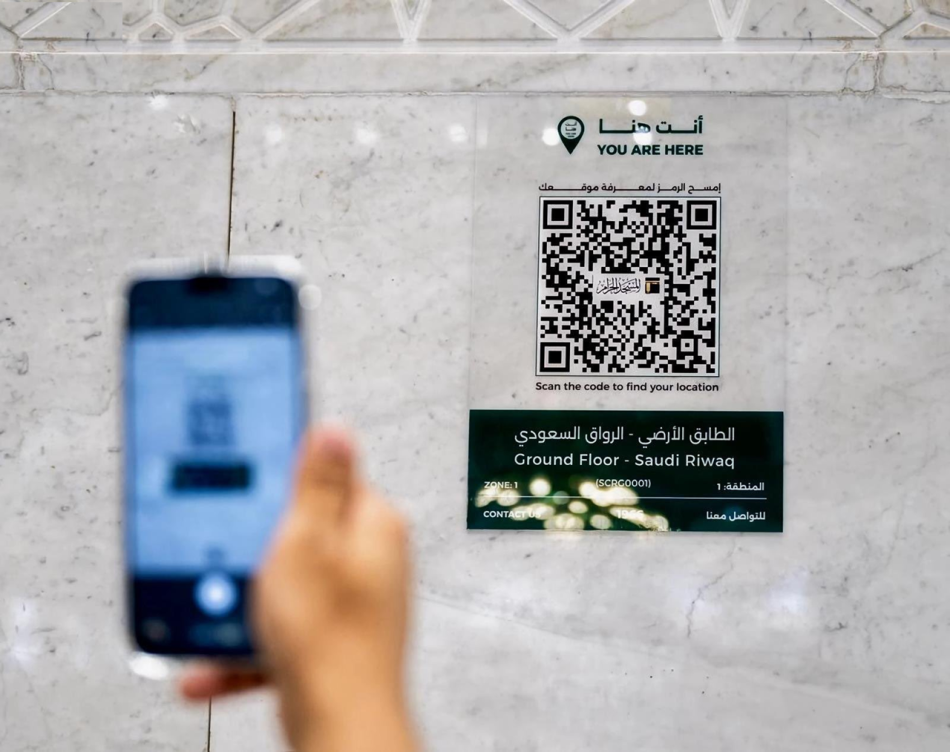
The General Authority for the Care of the Affairs of the Grand Mosque and the Prophet’s Mosque launched a 3D interactive maps initiative for the Two Holy Mosques, designed to facilitate visitor movement inside the Grand Mosque and surrounding areas, while linking the holy sites, routes, hotels, and nearby facilities through an advanced digital experience.
The initiative provides direct information including:
locations of religious lessons,
Qur’an memorization حلقات,
guidance and fatwa offices,
weather updates,
prayer area occupancy levels,
tawaf and sa’i zones,
and restroom locations,
helping organize movement and reduce congestion, especially during peak seasons.
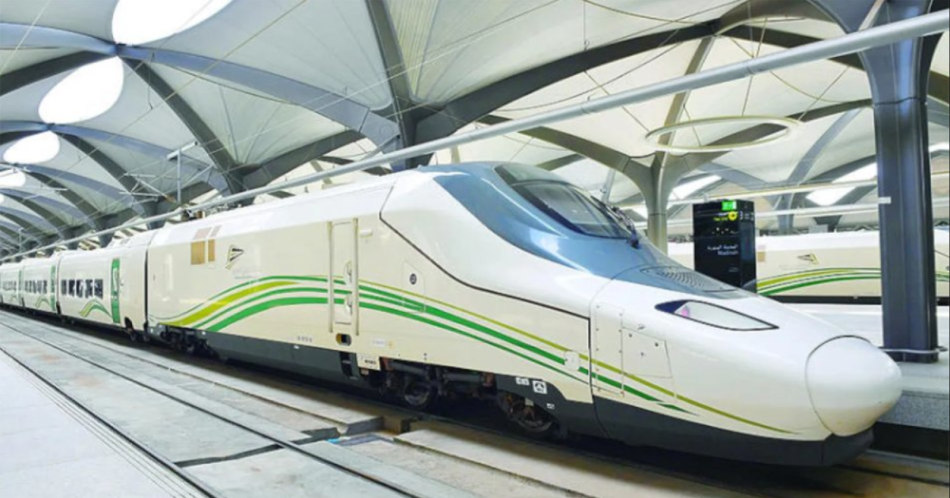
Meanwhile, Saudi Arabia Railways (SAR) announced the launch of a naming rights and sponsorship project for Haramain High Speed Railway stations, including:
Makkah Station,
Madinah Station,
Jeddah Station,
and King Abdullah Economic City Station.
The project aims to create new investment and marketing opportunities for the private sector, while also improving station environments and enhancing travel and commercial services within the stations.
The Haramain High Speed Railway is considered one of the fastest electric train systems in the world, operating at speeds of up to 300 km/h, linking Makkah and Madinah through Jeddah and King Abdullah Economic City with a fleet of 35 trains.
BETH Analysis
What is happening today at the Two Holy Mosques and the Haramain High Speed Railway goes beyond the concept of “traditional service,” evolving instead into the construction of a fully integrated smart experience for pilgrims.
Saudi Arabia is not merely developing infrastructure,
but redefining the relationship between:
worship,
mobility,
technology,
and quality of life.
At a deeper level,
the Kingdom appears to be transforming the Hajj and Umrah journey from a “complex and exhausting trip” into an experience that is more:
seamless,
intelligent,
organized,
and capable of accommodating millions of visitors with high efficiency.
These projects also reflect a broader direction toward transforming religious and transportation facilities into modern operational and investment platforms that support the economy, improve service quality, and strengthen Saudi Arabia’s image as one of the world’s leading countries in crowd management and services connected to the Two Holy Mosques.