

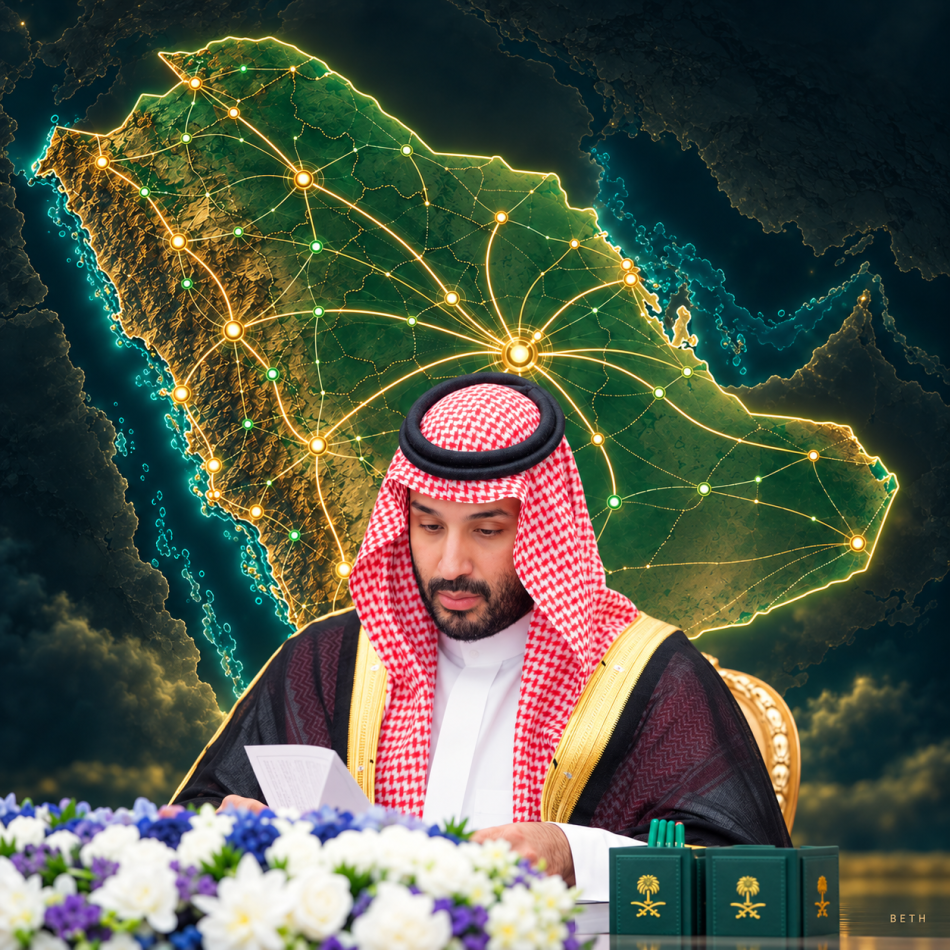

Day 220: Trump Escalates Threats
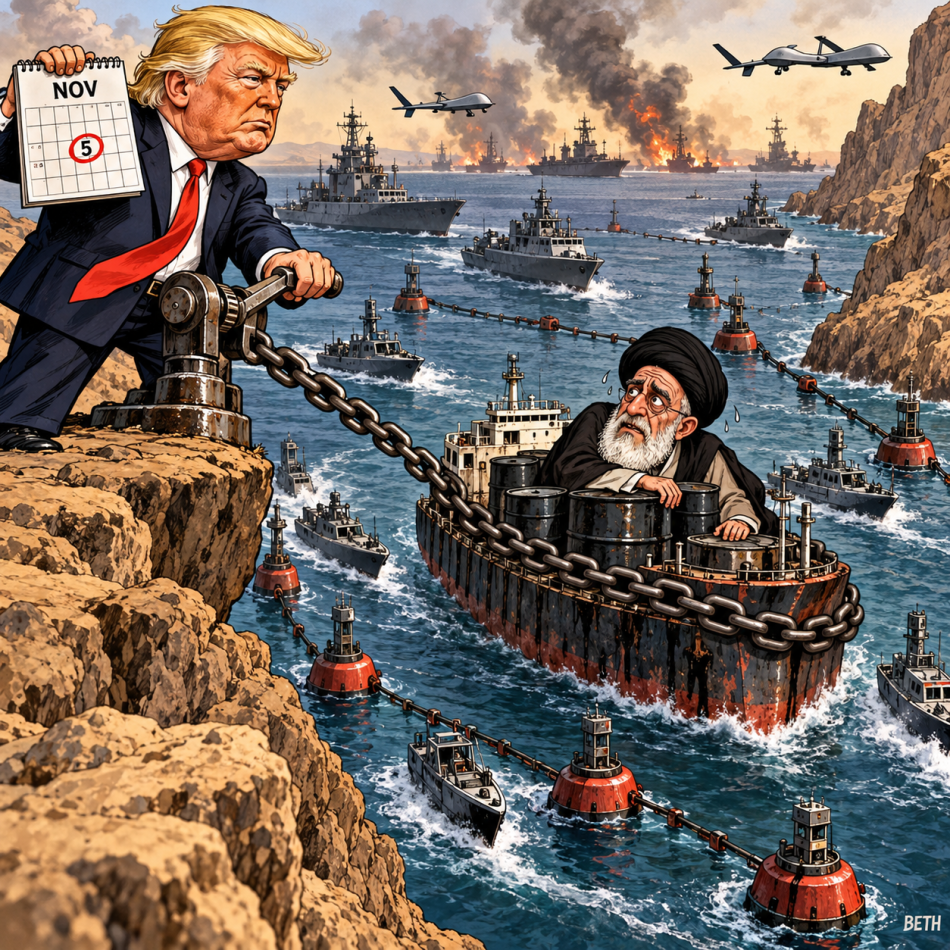
The US president gives Iran until the November elections without further strikes, but threatens it with existential consequences if it rejects his demands.. The US military disables a vessel attempting to breach the blockade, while maritime attacks continue in the Strait of Hormuz
October 11, 2026
Prepared and Analyzed by | Strategic Media Department – BETH News Agency
The US-Iranian war entered its 220th day amid increasingly stern statements by President Donald Trump, continued enforcement of the US naval blockade by force, and escalating risks to commercial vessels in the Strait of Hormuz, with no announced progress toward ending the confrontation.
Trump: Compliance or Destruction
Trump threatened Iran during a campaign rally in New York on Friday, warning that it would face devastating consequences if it failed to comply with American demands, saying that Iran must provide everything Washington demands or face the risk of annihilation.
The threat came one day after he announced that the United States would not launch further strikes against Iran before the November 3 congressional elections, confirming that talks he described as “productive” were taking place, while maintaining the full naval blockade and rejecting Tehran's possession of a nuclear weapon.
Trump thus combined the postponement of direct strikes with continued threats to use force, without easing the economic and military measures imposed on Iran.
Washington Enforces the Blockade by Force
US Central Command announced that it had disabled the Panama-flagged cargo ship “Ocean Molika” in the Gulf of Oman after it ignored warnings and attempted to breach the blockade imposed on Iranian ports.
A US fighter jet struck the vessel's stern with precision-guided munitions, disabling its engines without injuring its crew.
The command revealed that enforcement of the blockade since July 14 had resulted in the disabling of four commercial vessels, turning back 135 vessels, and destroying ten tankers linked to the Iranian Revolutionary Guard's oil transportation network.
Iran Maintains Its Conditions
Tehran continues to demand the lifting of the blockade and the easing of sanctions before agreeing to halt attacks on international tankers in the Strait of Hormuz.
Iranian President Masoud Pezeshkian expressed skepticism about the talks, pointing out that previous rounds of negotiations had coincided with American attacks.
Indirect contacts continue through Qatari mediation, without the announcement of any new agreement.
Hormuz: Renewed Attacks
Iran's Islamic Revolutionary Guard Corps announced that it had targeted a gas tanker that it said had attempted to pass through the strait via an unauthorized route, while a British maritime security authority reported that another tanker had been struck by an unidentified projectile, causing a fire on board, with its crew unharmed.
The incidents coincided with a decline in vessel traffic through the strait to its lowest levels in more than two months, amid continuing concerns over oil and gas supplies.
BETH Analysis | Outlook
Trump postpones the strikes, but not the blockade.
Washington seeks to extract Iranian concessions through sanctions, maritime restrictions, and military threats, while Tehran links any de-escalation to the lifting of measures imposed against it.
The targeting of the vessel in the Gulf of Oman demonstrates that suspending strikes inside Iran does not mean ending the use of force to enforce the blockade.
The next phase remains dependent on the ability of negotiations to address three issues: the blockade, freedom of navigation, and Iran's nuclear program.
With the November elections approaching, Washington now faces a choice between continuing economic attrition and returning to large-scale military operations.
The war has not stopped; rather, the tools used to manage it have changed, while the conditions for its conclusion remain contested.