

World Press Today, October 10 | BETH Eyes

Hormuz returns to the forefront of the economic press after tanker attacks expand, Europe and China ease a trade confrontation that had been escalating, and artificial intelligence becomes a matter of national sovereignty; meanwhile, Saudi Arabia remains prominent in global media coverage
October 10, 2026
Monitoring and Analysis | Strategic Media Management – BETH Agency
Supervision: Abdullah Al-Omairah
The global press focused today on three main issues: oil and navigation, trade de-escalation between Europe and China, and technological sovereignty in the age of artificial intelligence.
The Financial Times led with coverage of the expansion of Iranian attacks on tankers beyond the Strait of Hormuz, viewing the spread of risk into wider Gulf waters as a renewed source of concern for energy markets after a relative improvement in shipping activity. The newspaper also followed the impact of the attacks on insurance costs, tanker charter rates, and major energy and investment conferences in Saudi Arabia.
The Wall Street Journal focused on how targeting tankers deeper inside the Gulf increases the possibility of a broader disruption and makes shipping security more complex than simply protecting passage through the Strait. It noted that markets continue to treat any new attack as a direct risk to oil and prices.
In Asia, the South China Morning Post followed the new understanding between China and the European Union, which includes a significant reduction in Chinese hybrid vehicle exports to Europe, along with faster licensing for rare-earth exports and improved market access. More importantly, Beijing and Brussels have also begun discussing broader cooperation in artificial intelligence, new energy, and the digital economy, suggesting a shift from the brink of a trade confrontation toward a more pragmatic management of differences.
The Guardian, meanwhile, highlighted a different dimension of the artificial intelligence race, citing a warning from the head of the Alan Turing Institute that Britain should not become dependent on foreign technologies in this sector, arguing that resilience and technological sovereignty have become part of national security amid the advance of the United States and China.
In Europe, Le Monde followed the China-EU understanding and linked it to efforts to ease tensions over automobiles, industrial engineering, and strategic minerals, while French economic concerns remained present amid continued market sensitivity to debt and deficits.
Saudi Arabia in the World Press
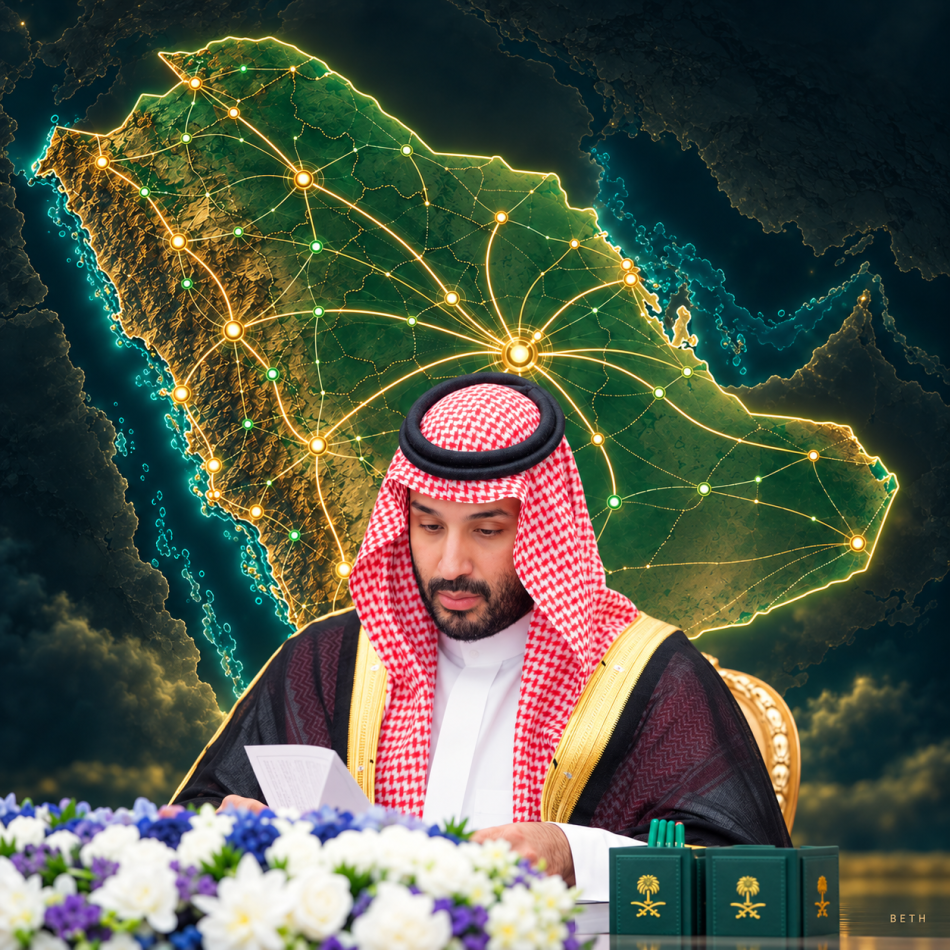
Saudi Arabia remained strongly present in international coverage from two angles: Yemen and energy.
The Financial Times linked the continuation of Houthi attacks on Saudi Arabia with the holding of major economic and energy events in Riyadh, arguing that the Kingdom’s test at this stage is not limited to the military dimension, but also includes its ability to keep economic activity and international conferences on their normal course despite the escalation.
On energy, the press returned to Amin Nasser’s warning that global oil inventories have fallen to extremely low levels after months of war, making any additional disruption in the Gulf more consequential for the international market.
Commentary
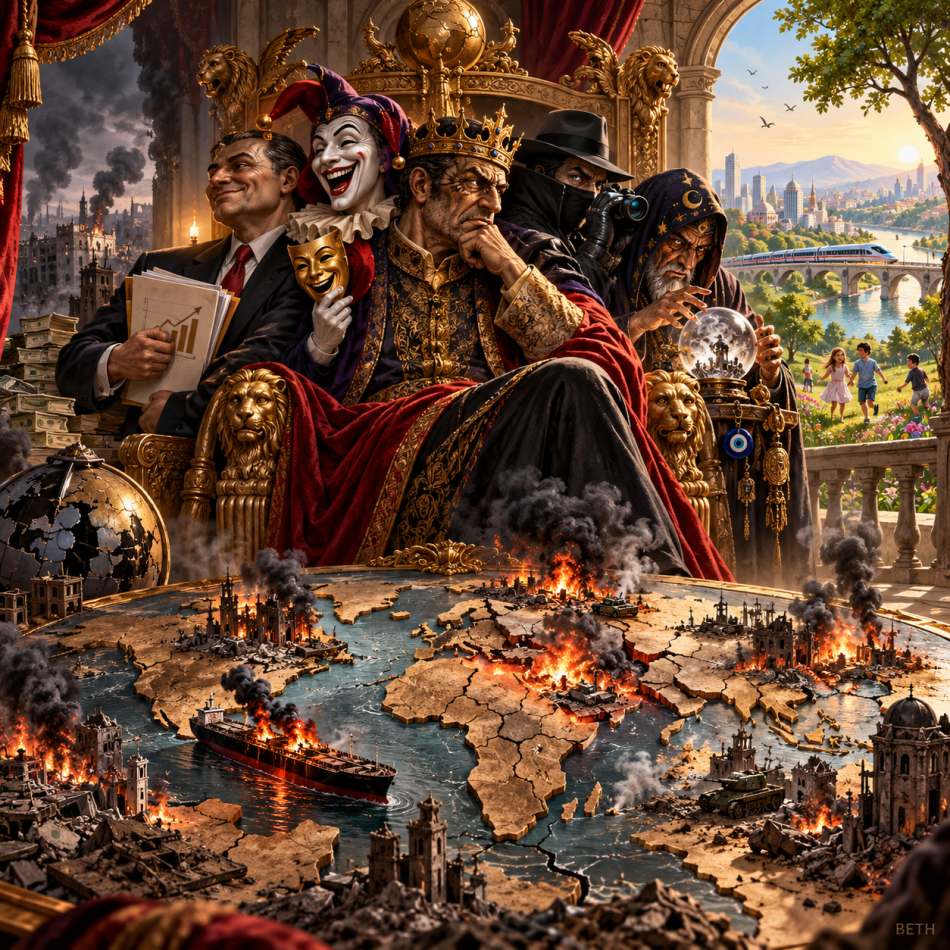
The global press today is not looking at the Gulf merely as a war file.
It is watching the Strait, tankers, prices, economic conferences, alliances, and supply chains as one interconnected picture.
At the same time, European and Asian coverage shows a world trying to open paths of de-escalation in trade and technology, while energy remains the most vulnerable sector to any further expansion of the war.
Conclusion:
Today, security and economics intersect more closely than ever; an attack on a tanker in the Gulf can become a market-moving story in Europe and Asia within hours, while a trade decision in Beijing or Brussels can alter the balance of entire industries.
This is the picture captured by the global press today: the world is so interconnected that war, trade, and technology can no longer be treated as separate files.