

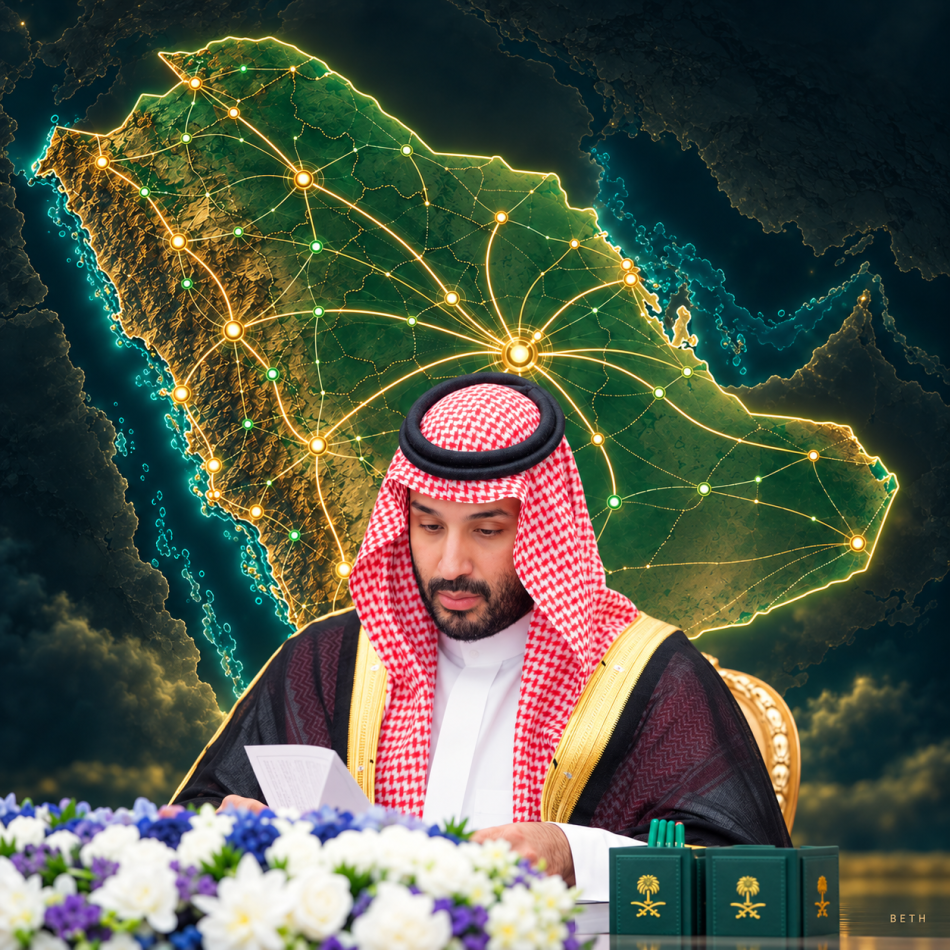

Day 219: Attacks Move Beyond Hormuz
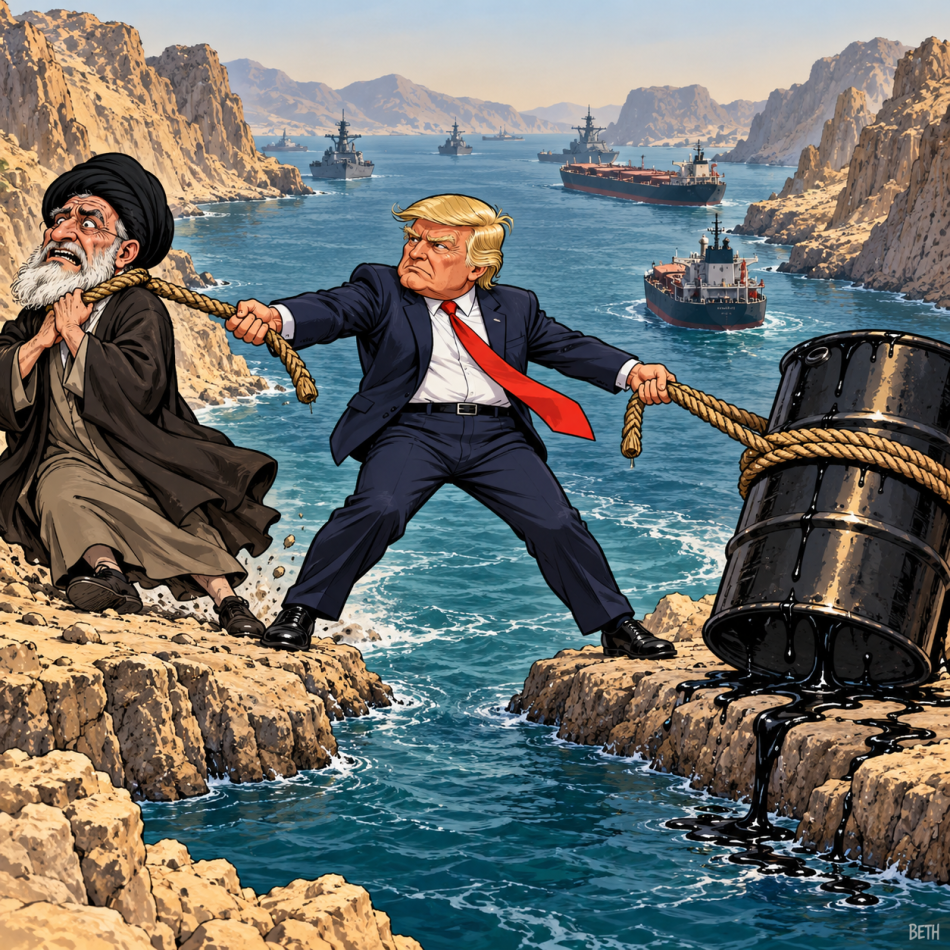
Iran expands its targeting of oil tankers into Gulf waters beyond the Strait, while Washington postpones new strikes until after November 3 and continues its military preparations; negotiations remain without a breakthrough, and oil traffic declines again
October 10, 2026
Prepared and Analyzed by | Strategic Media Management – BETH Agency
The war entered its 219th day with an important battlefield development: tanker attacks are no longer confined to the Strait of Hormuz.
Two tankers were attacked in Gulf waters near Qatar and the UAE, marking a geographical expansion of Iran’s attempts to disrupt oil traffic after tankers had begun regaining confidence in transiting Hormuz under U.S. protection. Shipping data indicate that oil flows through the Strait have again fallen to around 42% below pre-war levels, while the cost of chartering some very large crude carriers has risen to record levels.
Meanwhile, Trump reaffirmed his position that no new U.S. strikes would be launched against Iran before the November 3 midterm elections, while confirming that contacts with Tehran are continuing. But the military track is moving in parallel; U.S. Central Command has been instructed to complete preparations for the possible resumption of large-scale combat operations, without setting a date for execution.
The picture has therefore become clearer: Washington is postponing the decision to strike, not the preparations for it.
As for the negotiations, they have so far produced no shift in the main sticking points: the future of the blockade and sanctions, the terms of navigation through Hormuz, and the nuclear and missile programs. Both sides publicly insist that the U.S. elections do not determine their decisions, while the war’s impact on prices and the American economic mood has become an increasingly visible part of the domestic scene.
Reading
Day 219 reveals a shift in the battle from the question Who controls Hormuz? to a broader one: Can Iran turn the entire Gulf into a risk zone for tankers?
The U.S. response so far is based on increasing naval protection, maintaining economic strangulation, and postponing a major attack while keeping its forces ready for one.
This makes the period until November 3 a testing phase, not a truce: Iran is testing whether maritime attacks can once again disrupt exports, while Washington is testing whether the blockade and military protection can alter Tehran’s calculations without immediately returning to bombing.
And the question that carries into the coming days is:
If the tanker war moves beyond Hormuz, can the conflict still be contained within its current boundaries?