



Day 210: Negotiations Falter
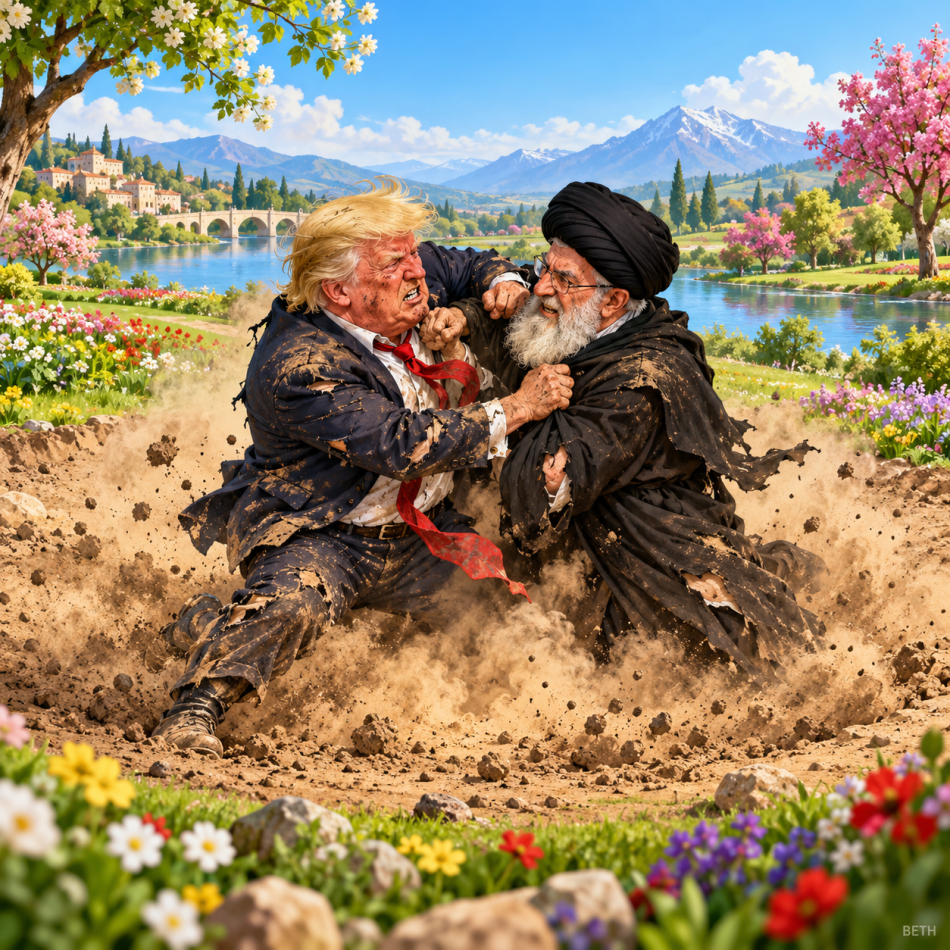
Political momentum between Washington and Tehran is weakening, while Gulf exports regain strength and the economy, energy and maritime routes become the most influential front in the course of the war
Prepared by | Strategic Media Department – BETH Agency
The war entered its 210th day as U.S.-Iranian negotiations appeared less capable of producing a breakthrough in the near term.
Tehran announced that it had received the U.S. response to its proposal, but disagreement remains over the sequencing of steps involving the reopening of the Strait of Hormuz, sanctions, the blockade and the nuclear file. Despite the continued exchange of messages, the two sides’ core positions remain far apart, with neither willing to make the first concession.
Meanwhile, the economic front is moving faster than politics.
Brent crude traded this morning at around $99 a barrel, as Gulf exports recovered and approached pre-war levels, supported by the resumption of Saudi shipments through Yanbu and the East-West Pipeline. This recovery is gradually reducing Hormuz’s ability to remain a decisive economic bargaining card in Iran’s hands.
The strait, however, has not moved out of the danger zone. Three oil tankers were hit by projectiles while transiting Hormuz, indicating that maritime security remains fragile despite the recovery in exports.
On another front, the cost of the blockade on Iran is rising, with around 20 tankers linked to Iranian oil stranded in Asian waters amid tighter restrictions on related services and supplies.
Saudi Arabia, meanwhile, is becoming increasingly important in the war equation from an energy perspective. The return of Yanbu and the recovery of the East-West Pipeline provide markets with an additional route outside Hormuz and strengthen the Kingdom’s ability to safeguard the flow of supplies at a time when maritime routes remain exposed to risks.
Conclusion:
The negotiations remain alive, but they are faltering amid conflicting conditions and electoral and economic calculations. At the same time, the energy balance has begun to shift in a way that could make time more costly for Tehran than for Washington if Hormuz continues to lose effectiveness and the impact of the blockade expands.