


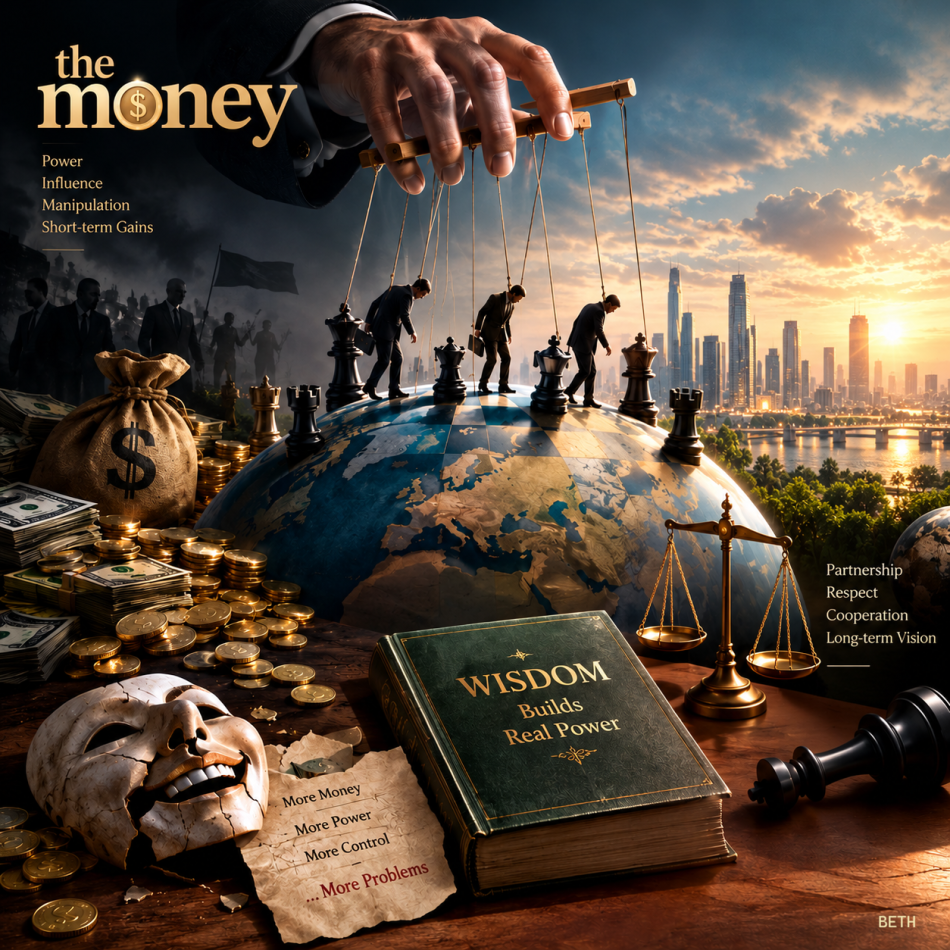
When the Unexpected Lands.. Humanity Comes First
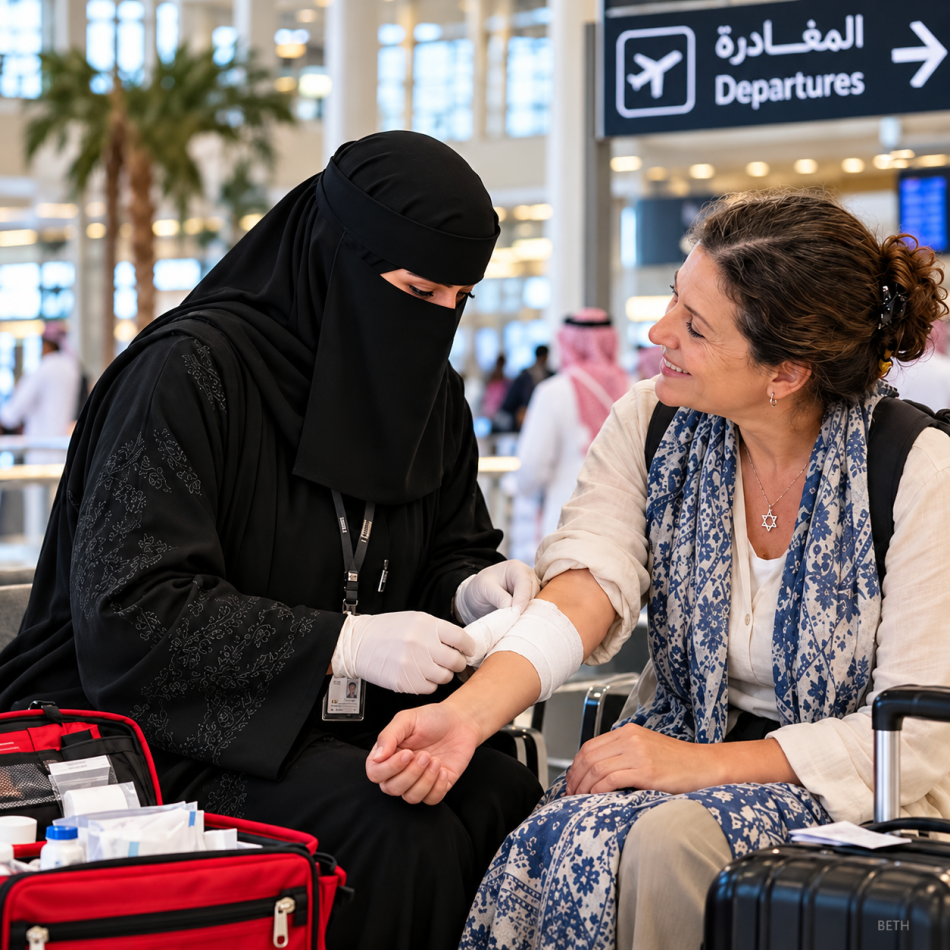
Tabuk Airport.. Professionalism Leads the Scene.. Care Before Politics
Tabuk | BETH
There is no politics in this image.
A Saudi Muslim woman, wearing her hijab, is caring for an Israeli Jewish woman who arrived at Prince Sultan bin Abdulaziz Airport in Tabuk after a frightening and difficult experience aboard a flight that made an emergency landing.
In that moment, no one asked about nationality, religion, or political position.
There was only one question:
Do you need help?
And so, Saudi hands were the first to reach out to her — to reassure her, calm her, and provide the care she needed.
It is a small moment in scale, but a profound one in meaning.
It says something simple and clear:
A person does not need a political agreement in order to be treated with humanity.
Nor does someone who differs from you have to become politically close to you before you extend a hand when they are frightened, injured, or in need.
This is precisely where many stereotypes collapse — especially those that portray relations between Muslims and Jews as nothing more than absolute human hostility.
Political differences are one thing.
Human duty is another.
In this moment, Saudi Arabia was not making a political statement, nor sending a message of rapprochement to anyone.
It was doing something far simpler — and far deeper:
responding to a human being who found herself in an emergency on Saudi soil.
The scene also reveals something else no less important: the ability to handle a sensitive situation calmly and professionally, without inflating the event or turning it into a political platform.
Confident states do not need to manufacture crises in order to prove their presence.
When a crisis reaches them, it is enough to know how to manage it, protect people, and prevent fear from turning into chaos.
And the image remains, more powerful than any words, a witness to that meaning:
In Tabuk, no one asked the woman who she was.
What mattered was simply that she needed help.