

US–Iran War.. Day 231
Washington Denies Ongoing Negotiations
Trump confirms that no negotiations are currently taking place with Iran and hints at an imminent development, while Netanyahu denies seeking US approval to strike Iran, as maritime attacks escalate in the Strait of Hormuz and Washington continues to reinforce its forces.
October 22, 2026
Prepared and Analyzed | Strategic Media Department – BETH News Agency
The US–Iran war entered its 231st day amid new statements that deepen uncertainty over the course of the confrontation. US President Donald Trump confirmed that no negotiations are currently taking place with Iran, indicating that a development would occur soon, without specifying its nature.
Meanwhile, Israeli Prime Minister Benjamin Netanyahu denied that he had sought Trump's green light to strike Iran, at a time when reports of US-Israeli disagreements over the timing of renewed military operations are increasing.
These statements come as attacks on maritime navigation continue in the Strait of Hormuz and the United States reinforces its military presence in the region, amid a clear divergence between Tehran's earlier statements about ongoing indirect contacts and Washington's denial that negotiations are currently taking place.
Key Developments
Hormuz: Iranian media reported that seven oil tankers had been attacked or damaged, including four that caught fire and three that were said to have struck naval mines. The British maritime monitoring authority has not independently confirmed this figure.
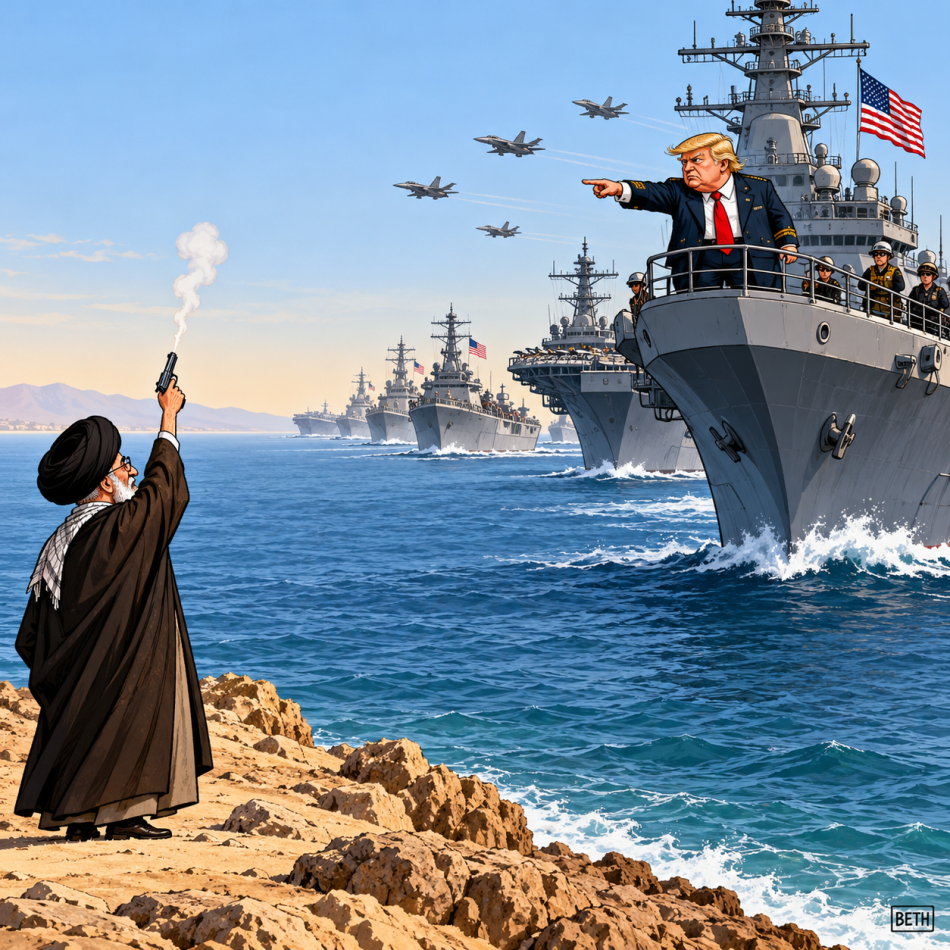
US Military Movements: Washington reinforced its military presence in the region with a third aircraft carrier and thousands of military personnel, while President Donald Trump kept the option of resuming strikes on the table without announcing a final decision.
Negotiations: Iranian Foreign Minister Abbas Araghchi confirmed the continuation of indirect contacts regarding a proposed seven-day ceasefire. Sanctions, the maritime blockade, and the future of uranium enrichment remain the main obstacles to an agreement.
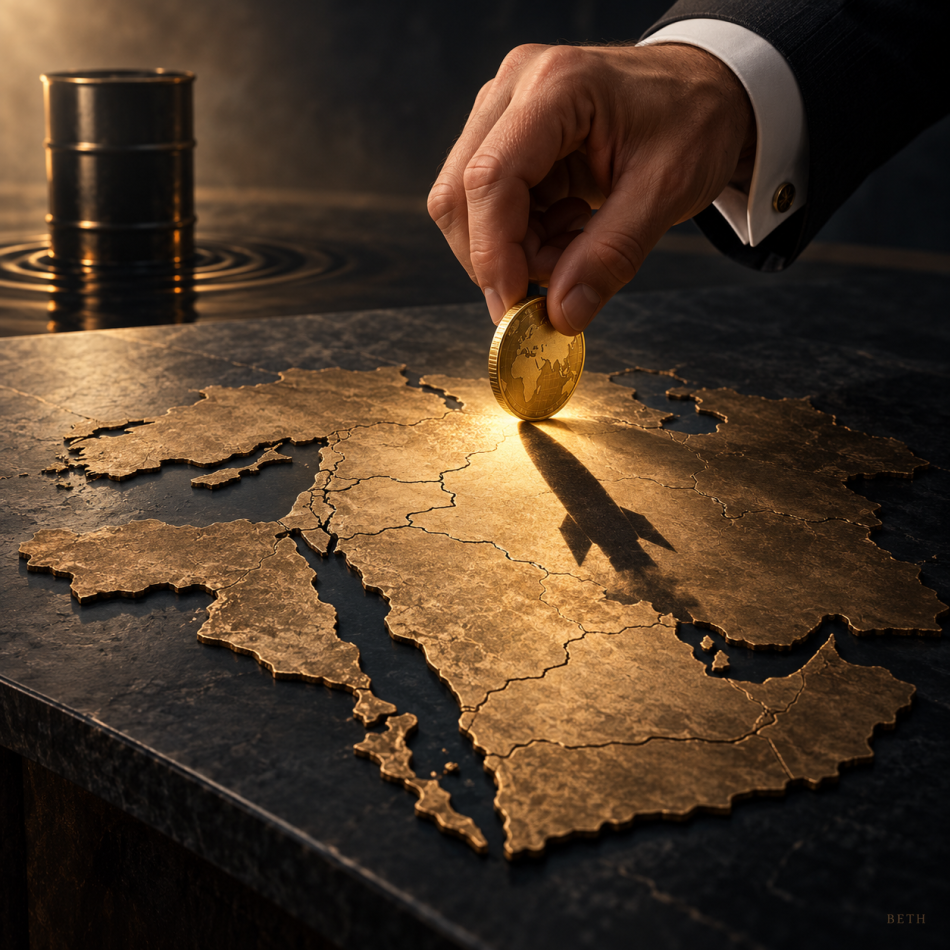
Oil: Brent crude rose to approximately $112 per barrel in Thursday's trading, amid growing concerns over the security of supplies and navigation, despite improved exports from Gulf states through alternative routes.
Analysis
The battle over the Strait of Hormuz is gradually turning into a test of both sides' ability to withstand economic and political attrition.
Tehran is using the strait's strategic position to strengthen its negotiating leverage, while Washington relies on the blockade, sanctions, and military superiority to push Iran toward accepting tougher conditions.
However, continued maritime attacks raise the cost of the confrontation for the global economy and place countries not directly involved in the war among those affected by it.
Commentary | Outlook and Possible Outcomes
Iran is confronting a military power that vastly surpasses it in capabilities, technology, and global reach. Yet Tehran is attempting to compensate for this imbalance by threatening maritime navigation and raising the cost of war for its adversaries.
The reality is that Tehran is not confronting Washington as an equal. Instead, it is betting on its ability to inflict damage and impose attrition. There is a considerable difference between a state capable of disrupting a superpower and one capable of defeating it.
What is striking about this confrontation is not merely the exchange of threats, but the alternating roles of escalation and de-escalation: whenever military rhetoric intensifies, a political voice emerges to keep negotiations open. This may reflect a calculated management of the conflict.