



Aramco Redraws Global Oil Routes
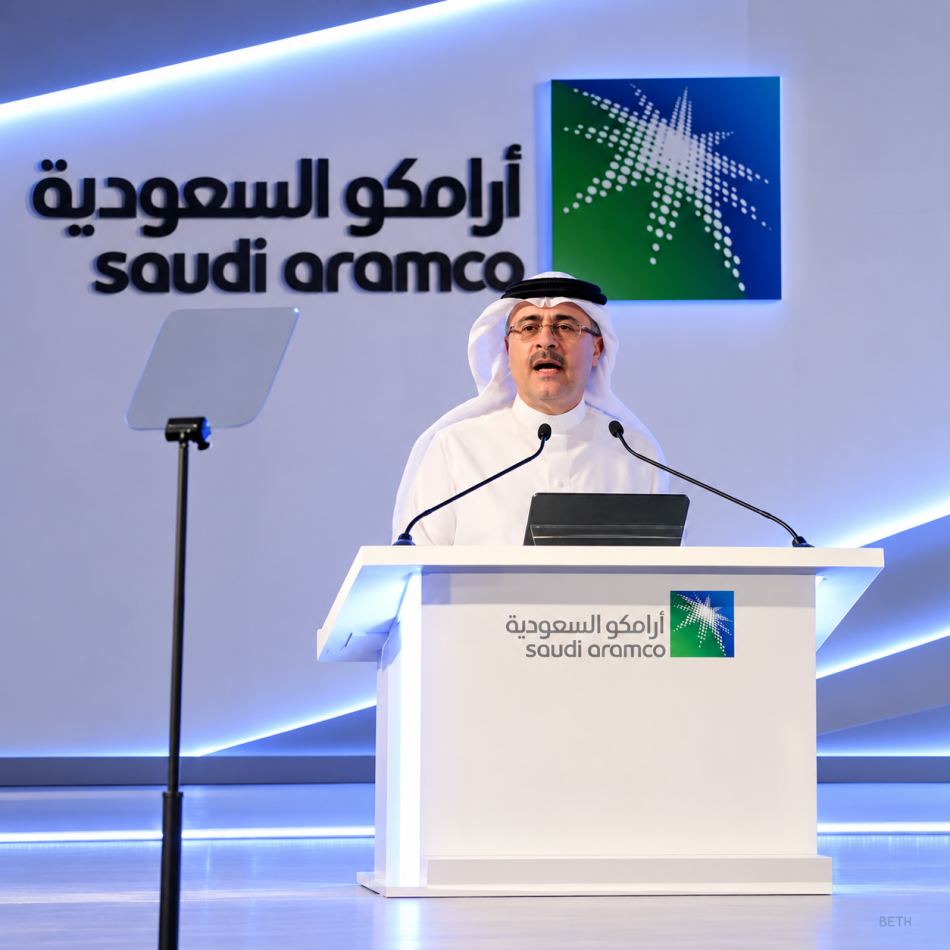
Nasser: Markets Have Lost 3 Billion Barrels Due to the War.. Plans to Increase the East–West Pipeline’s Capacity to 10 Million Barrels per Day and Double Overseas Storage, While Projects and Investments Continue Without Delays
Riyadh | BETH – October 22, 2026
Saudi Aramco President and CEO Amin Nasser unveiled plans to increase the capacity of the East–West Pipeline from 7 million to 10 million barrels per day, explore additional export routes, and double the company’s overseas storage capacity in response to the unprecedented disruptions caused by the war in global energy markets.
In an interview on Thursday, Nasser said global markets had lost approximately 3 billion barrels of supply since the beginning of the crisis, noting that the Gulf accounts for around 20% of global oil demand and a similar share of liquefied natural gas demand.
He explained that oil prices could have risen much higher without withdrawals from strategic reserves, a decline in China’s seaborne oil imports from around 11 million barrels per day to 5–6 million in June, and the role of the East–West Pipeline in maintaining oil flows.
Nasser projected that a return to normal market conditions would increase demand by approximately 3 million barrels per day, including 2 million barrels from consumption growth and another million to replenish depleted inventories.
Strategic Expansion
Nasser said the East–West Pipeline, whose development began following a Saudi government decision in the 1980s, had increased its capacity from 2 million barrels per day to the current 7 million. Engineering work has now begun to raise that capacity to 10 million barrels per day.
Aramco’s existing supply routes include the Arabian Gulf through the Strait of Hormuz, the Red Sea through the Bab el-Mandeb Strait, and the Mediterranean through Egypt’s Sidi Kerir terminal. The company is studying additional options to diversify its export outlets.
Aramco is also working to double its overseas storage capacity, particularly in Asia, in cooperation with its partners and relevant government authorities.
Investment and Gas
Nasser confirmed that all Aramco projects are proceeding according to their approved schedules, with the company maintaining its 2026 capital expenditure guidance of $50–55 billion.
The company aims to increase gas production by 80% by 2030, compared with 2021 levels. Replacing liquid fuels with gas in electricity generation is expected to free up approximately one million barrels of oil per day for export.
The Jafurah expansion is also progressing according to plan, following completion of its first phase at the end of 2025, with the second phase scheduled for completion in 2027.
People and Technology
Nasser said Aramco’s local content had reached approximately 70%, with a target of 75% by 2030. More than 90% of the materials required for the company’s crisis response were sourced locally.
Aramco receives more than 10 billion data points daily to support its operations. Its technology and artificial intelligence applications generated over $11 billion in added value between 2023 and 2025, with annual benefits of $2–4 billion expected in the coming years.
He highlighted the role of drones in assessing damage caused by attacks and accelerating maintenance and firefighting operations, noting that rapid response capabilities had helped shorten facility restoration periods.
In a personal account, Nasser described an employee who continued operating firefighting systems despite nearby explosions and suffering minor injuries. The employee later explained that he had treated the facility as if it were his own home.
Nasser emphasized that facilities and equipment can be built, but developing people capable of taking responsibility and acting courageously during crises is the true achievement.