

US–Iran War.. Day 232
Washington Prepares for a Prolonged Confrontation
Washington confirms its readiness to maintain the blockade on Iran, while Tehran escalates its threats in the Strait of Hormuz, as signs of military escalation increase amid stalled negotiations and worsening consequences of the war for energy markets.
October 23, 2026
Prepared and Analyzed | Strategic Media Department – BETH News Agency
The US–Iran war entered its 232nd day as Washington reaffirmed its readiness for a prolonged confrontation, following President Donald Trump's announcement that no negotiations are currently taking place with Tehran, while the United States continues to reinforce its military presence and apply economic pressure on Iran.
US Ambassador to the United Nations Mike Waltz confirmed his country's readiness to maintain the blockade on Iranian ports indefinitely, with the aim of pushing Tehran to make concessions regarding its nuclear program and reopen the Strait of Hormuz to maritime navigation.
Key Developments
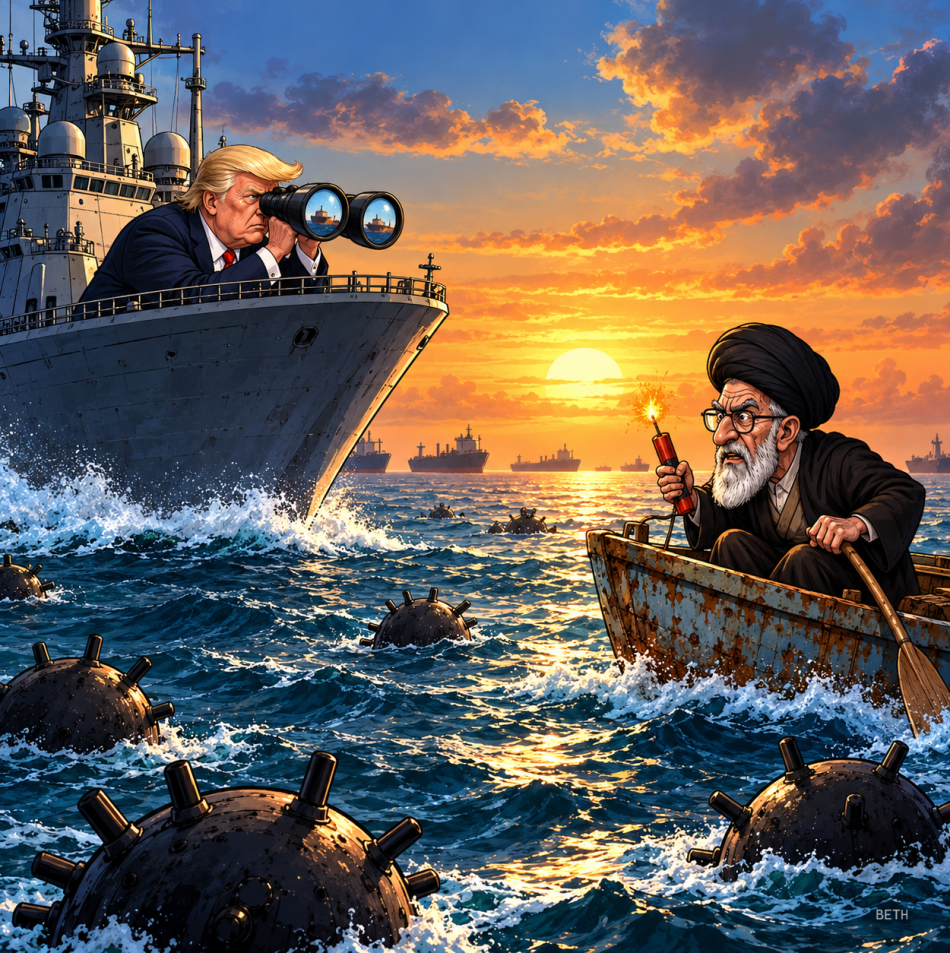
Strait of Hormuz: Iran announced that seven tankers had been attacked and damaged, although the reported toll has not been independently verified. The Islamic Revolutionary Guard Corps threatened to target US bases if the escorting of commercial vessels continued. Washington rejected Iran's account of the attacks.
Military Escalation: US military reinforcements continue, while Israeli Prime Minister Benjamin Netanyahu called for regime change in Iran, amid reports of preparations for new military operations.
Negotiations: Mediation efforts continue, but disagreements over the nuclear program, sanctions, the blockade, and freedom of navigation are preventing any announced breakthrough.
Energy: Disruptions to tanker movements and rising supply costs persist, while the economic pressures resulting from a prolonged confrontation continue to mount.
BETH Analysis | A Clash of Wills
Washington is betting that a sustained blockade and its military superiority will force Iran to back down, while Tehran is betting on prolonging the confrontation and threatening maritime navigation to increase its economic and political costs.
However, the imbalance in military power remains unchanged. Iran's ability to disrupt trade and energy supplies does not mean it is capable of defeating the United States.
The greater danger is that both sides may treat time as a weapon, while the region and global markets bear the cost of waiting.
The decisive question remains: Will the continued blockade lead to political concessions, or push the confrontation toward a broader military escalation?