



Day 208: The Blockade Continues and Negotiations Stall
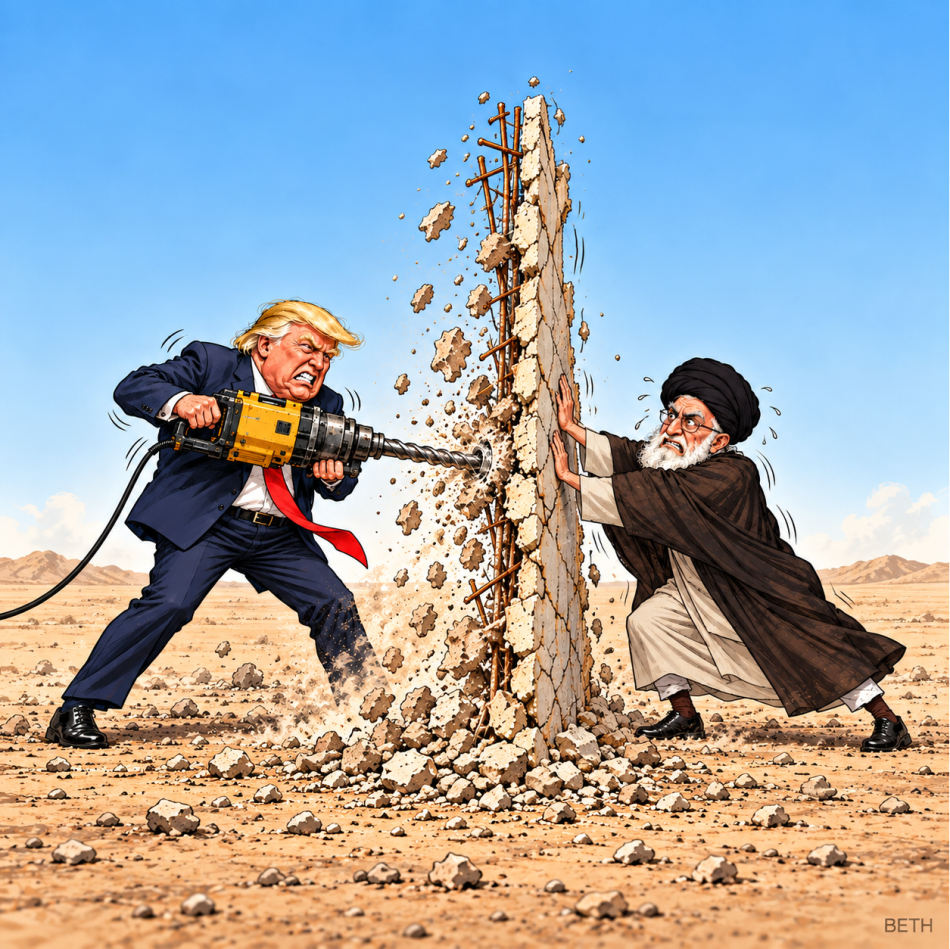
U.S.-Iranian negotiations continue without a breakthrough, while the impact of the war expands from Hormuz to Yemen and the Red Sea, and oil prices and global trade remain under the influence of security risks
Prepared and analyzed by | Strategic Media Department – BETH Agency
The war entered its 208th day without a clear political breakthrough; indirect negotiations between Washington and Tehran continue, but disagreement over the terms of a settlement, the reopening of Hormuz, and sanctions remains, while the naval and economic blockade on Iran continues.
Yemen
In Yemen, the front has become more closely connected to the regional war. The Houthis continue to hold onto the Red Sea coast, while Saudi Arabia and the United States are directly discussing developments in Yemen and the security of maritime corridors in Washington.
The Red Sea
The threat is no longer confined to attacks on ships alone; U.S. sources have warned of growing ties between the Houthis and Al-Shabaab in Somalia, expanding the scope of the threat from the Yemeni coast to the opposite shore of the Gulf of Aden and increasing the sensitivity of Bab al-Mandab.
This gives Saudi and international maritime movements additional importance, because protecting navigation from terrorist militias is no longer limited to escorting ships, but extends to preventing the formation of an armed threat network on both sides of Bab al-Mandab. With the growing connection between the Yemeni arena and the Horn of Africa, the coming approach may move toward treating the sources of threat on both sides of the strait as one security file, rather than separating the two fronts.
The Economy
Economically, Brent crude rose today to around $107 per barrel, despite Middle East oil exports rising to around 12.8 million barrels per day during September. This means that markets are still pricing in the risk of supply disruption, the cost of alternative shipping routes, and instability in Hormuz.
The Reading
The picture on day 208 is clear: the blockade has not ended the war, and the negotiations have not ended the blockade.
At the same time, the front is practically expanding: Iran in Hormuz, the Houthis in Yemen and the Red Sea, and energy markets are paying the cost of continued uncertainty.
Therefore, any coming settlement will not be measured only by what Washington and Tehran agree on, but by its ability to calm Yemen, secure the Red Sea, and restore maritime corridors to normal operation.
The Next Few Days
The available indicators point to three main directions:
First: the continuation of the blockade on Iran while the door to negotiations remains open, without sufficient signs of imminent concessions.
Second: raising readiness in Yemen, alongside broader maritime coordination, which could shift the focus from merely protecting ships to dealing with the sources of the threat themselves.
Third: increasing interconnection between the Yemen and Bab al-Mandab fronts; if threats continue on both sides of the strait, the approach may move toward treating them as a single security file.
Conclusion:
The coming days are likely to bring further pressure on Iran, higher readiness in Yemen, and expanded maritime activity around Bab al-Mandab, while negotiations continue in the background.