



Day 208: Hormuz Raises the Cost of War
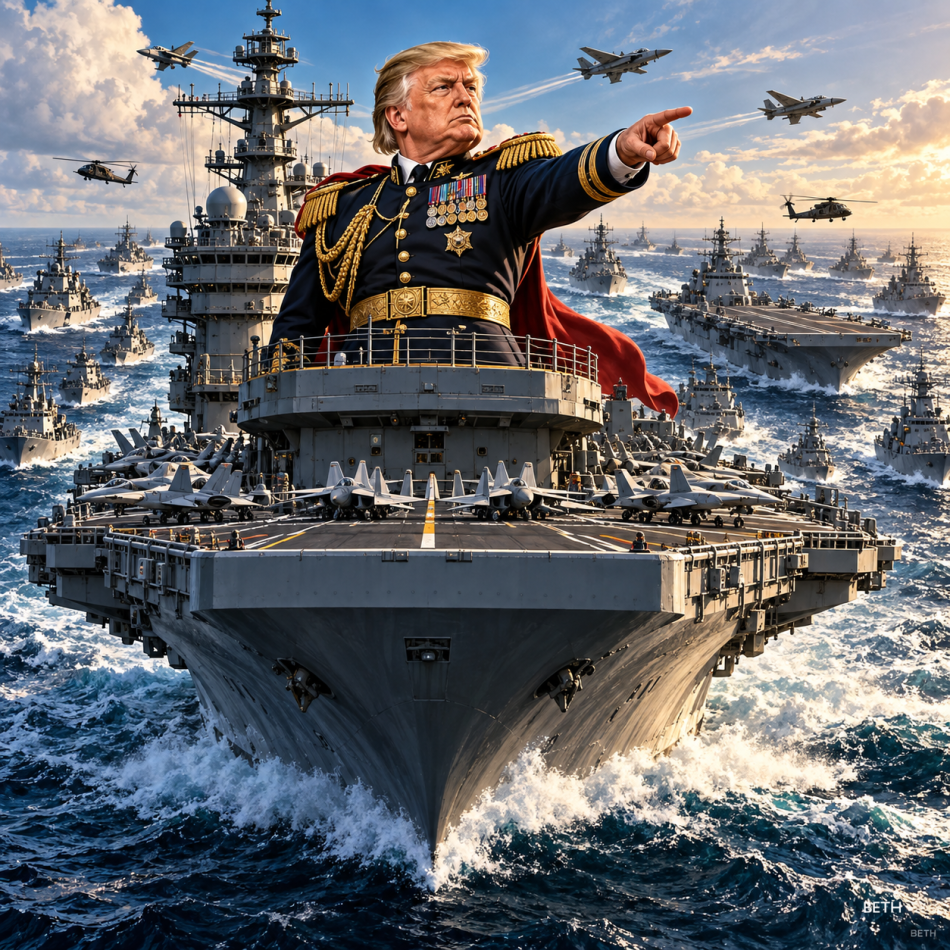
Trump expects talks to resume this week despite rejecting the Iranian proposal; Tehran holds to its conditions, oil jumps amid continued tensions in the strait, and operations against the Houthis in Yemen intensify
September 28, 2026
Prepared and analyzed by | Strategic Media Department – BETH Agency
The war entered its 208th day without a political breakthrough, but with higher economic and military costs.
U.S. President Donald Trump said he expects negotiations with Iran to resume this week, despite rejecting Tehran’s latest proposal on reopening the Strait of Hormuz and ending the fighting. In response, Iranian Foreign Minister Abbas Araghchi said Tehran would not back down from its conditions.
At sea, U.S. military activity around Hormuz increased, with aerial refueling and surveillance aircraft observed near the strait, while Iran kept its forces on alert.
Economically, the rejection was quickly reflected in the markets, with Brent crude rising to around $106.4 a barrel in early trading, amid continued supply disruptions and uncertainty over when shipping through the strait will return to normal.
In Yemen, government forces continued operations against Houthi positions in Taiz over the past several hours, as part of an escalating effort to increase pressure on the Houthis.
Analysis
The key development today is that the crisis has entered a phase of negotiations under Trump’s threat of renewed strikes on Iran, alongside pressure from the market and the battlefield.
Washington is not closing the door to negotiations, but it rejects Iran’s current conditions. Tehran, meanwhile, continues to link the reopening of Hormuz to political and economic concessions.
The strait therefore remains the central issue:
Every day without an agreement raises the cost of the war for energy and trade, while making any future negotiations both more urgent and more difficult.