


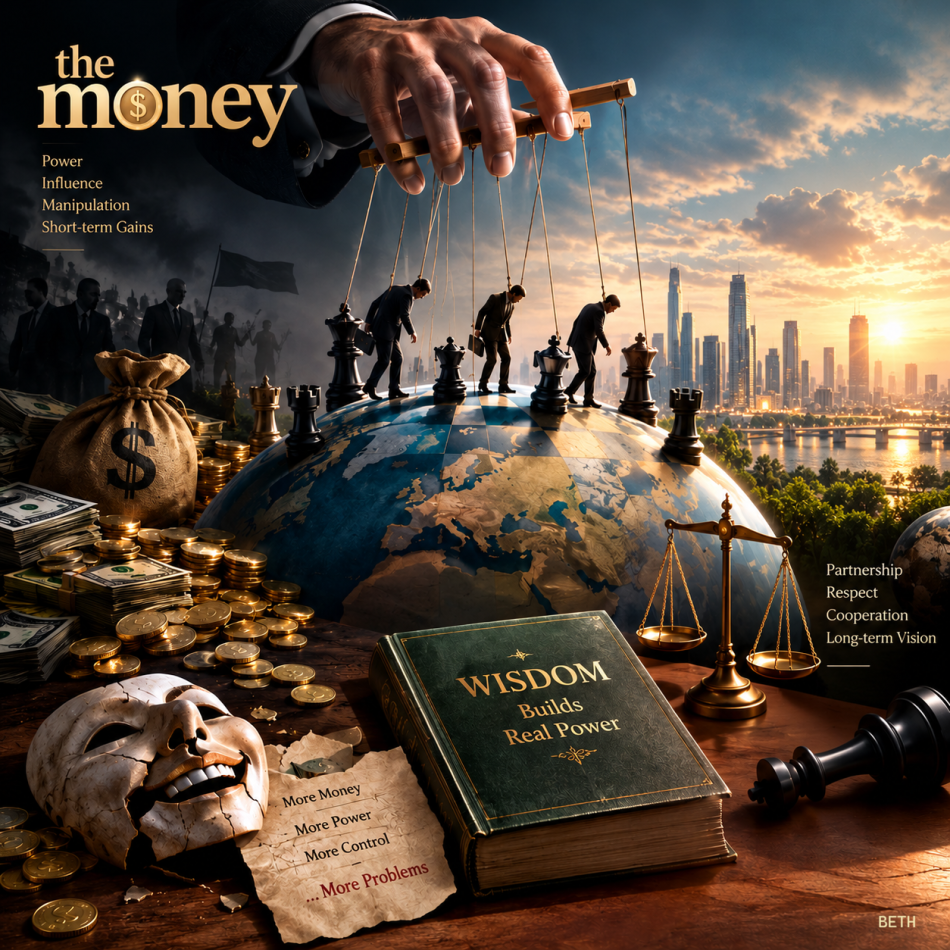
G20 Confronts Debt and War
The Asheville meeting opens with a U.S. prescription for growth, but Iran, Hormuz, China and $353 trillion in global debt bring geopolitics back to the heart of the world economy
Asheville | BETH
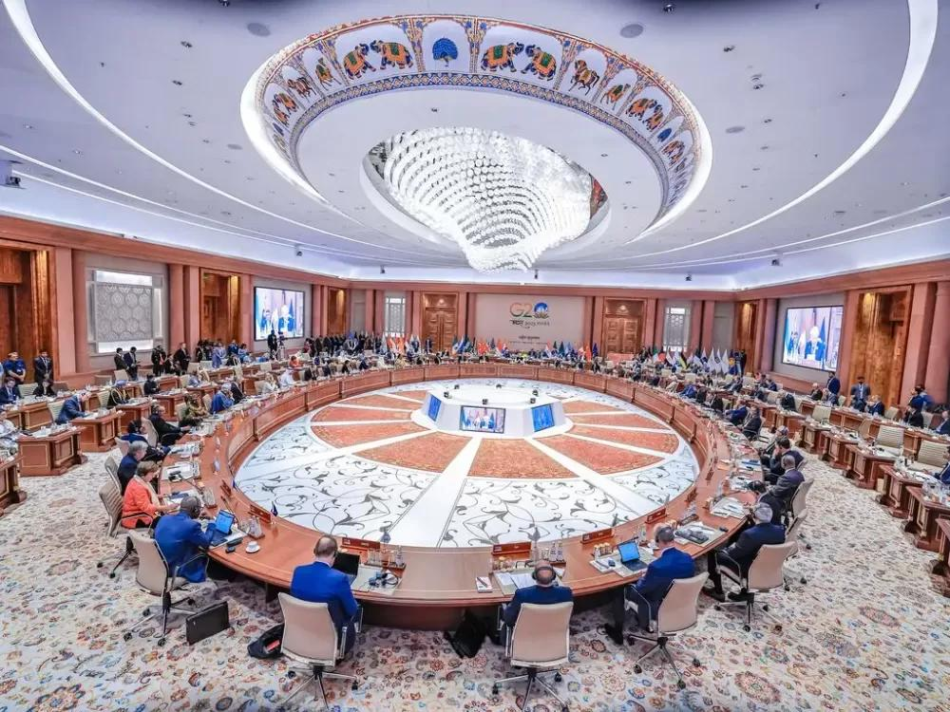
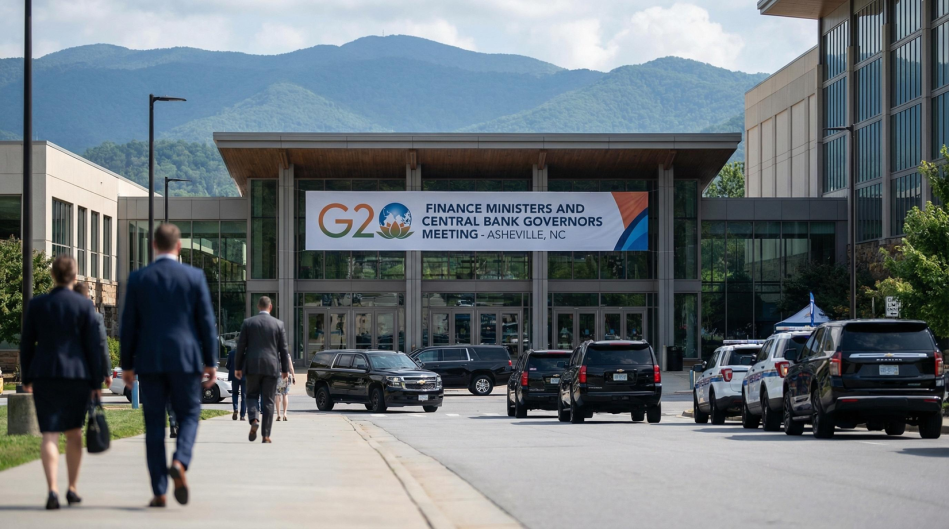
G20 finance ministers and central bank governors concluded the first day of their meeting in Asheville, North Carolina, with discussions set to continue on Tuesday, as the global economy faces mounting debt, energy disruptions and trade tensions.
U.S. Treasury Secretary Scott Bessent placed growth at the center of the U.S. G20 presidency, presenting it as the primary path out of a global debt burden that has reached approximately $353 trillion, while calling for regulatory easing and greater incentives for investment and the private sector.
But economics did not remain alone at the table.
Washington pushed for greater economic pressure on Iran to help end the Strait of Hormuz crisis, while the European Union backed additional economic pressure on Tehran alongside diplomatic efforts to de-escalate tensions and restore freedom of navigation.
On China, the United States pressed for action to address trade imbalances, arguing that Beijing’s roughly $1.2 trillion trade surplus is unsustainable and that China needs to shift away from heavy reliance on exports toward stronger domestic consumption.
Divisions within the group also surfaced over Russia’s participation. German Finance Minister Lars Klingbeil objected to treating Moscow as though relations had returned to normal, underscoring how political consensus remains harder to achieve than simply bringing the world’s major economies around the same table.
BETH Analysis
The paradox in Asheville is that Washington wants to return the G20 to its core economic mission: growth, debt and investment. Yet geopolitical crises themselves have become part of the economic problem.
Hormuz is now an energy and growth issue, China a trade-imbalance issue, and Russia a test of political consensus.
That leaves the second day with a question larger than growth figures:
Can the G20 still manage the global economy when the divisions among its own members have become part of the crisis?