



Three Consortia Compete for the Aseer–Jazan Highway
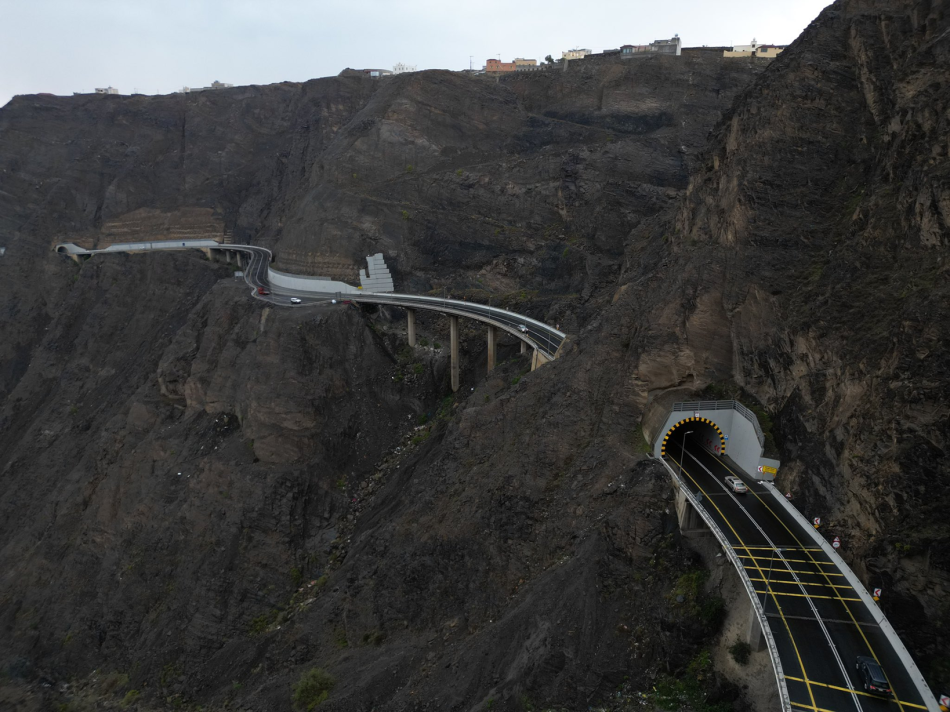
The project, estimated at SAR 20 billion, will connect the Aseer highlands with the Red Sea coast through 57 bridges and 11 tunnels
Aseer | BETH
Three local and international consortia have submitted bids to develop and operate the Aseer–Jazan Highway project, estimated to be worth approximately SAR 20 billion, in one of Saudi Arabia’s largest road projects to be delivered through a public-private partnership.
The bids are currently under evaluation ahead of selecting the winning consortium, under the supervision of the Roads General Authority, the National Center for Privatization & PPP, and the Aseer Development Authority.
The supervising authorities had not officially announced the names of the final bidders by the time this report was prepared. However, specialist infrastructure publications reported that three bids had been received. The project’s initial phase attracted interest from 69 companies before five consortia were prequalified.
From the Highlands to the Sea
The highway will extend for 136 kilometres, beginning in the Al-Farah area of Aseer and reaching the Red Sea coast through the Jazan region.
The project includes:
- A dual carriageway with three lanes in each direction.
- Six major intersections.
- 57 bridges with a combined length of 18 kilometres.
- 11 tunnels with a combined length of 9.2 kilometres.
These specifications demonstrate the project’s engineering complexity. The bridges and tunnels will collectively extend for more than 27 kilometres—nearly one-fifth of the entire route—due to the mountainous terrain between the Aseer highlands and the plains of Jazan.
The Competing Consortia
According to the latest information published by specialist infrastructure platforms, the following consortia submitted bids:
First Consortium:
- Shaanxi Construction Engineering Company — China.
- Safari Company — Saudi Arabia.
- Lamar Holding.
Second Consortium:
- China Harbour Engineering Company — China.
- Vision Invest — Saudi Arabia.
Third Consortium:
- Plenary — Australia.
- Al-Ayuni Investment and Contracting Company — Saudi Arabia.
- Limak Holding — Türkiye.
- Nesma & Partners — Saudi Arabia.
A consortium comprising Türkiye’s Makyol, Shibh Al Jazira Contracting Company and Tamasuk had been among the groups preparing to compete, but it does not appear on the list of final bidders published in the latest reports.
A Thirty-Year Partnership
The project is being tendered under a Design-Build-Finance-Operate-Maintain model, known as DBFOM, through a 30-year contract.
Under this model, the winning consortium’s role will not be limited to constructing and handing over the highway. It will also include arranging financing and operating and maintaining the road throughout the contract period, linking financial returns to construction quality, operational efficiency and the asset’s long-term sustainability.
The model also distributes risks between the public and private sectors, attracts local and international expertise, and reduces the need for the government to bear the project’s entire cost upfront.
A Road for Development
The project’s value extends beyond shortening the distance between two regions. It will create a corridor connecting Aseer’s highland tourism destinations with Jazan’s coast and the ports of the Red Sea.
The highway is expected to contribute to:
- Improving the efficiency of passenger and freight movement.
- Enhancing safety on mountainous routes.
- Facilitating access to tourism destinations.
- Supporting agricultural and commercial activities.
- Strengthening connectivity between inland regions and the western coast.
- Creating opportunities for local contractors, suppliers and professionals.
Commentary | BETH
The Aseer–Jazan Highway represents more than a transport project. It is an effort to transform challenging terrain from a barrier between the two regions into a new economic and tourism corridor.
The competition among Saudi, Chinese, Turkish and Australian companies reflects the project’s scale and the attractiveness of Saudi Arabia’s infrastructure market. However, the contract’s true value will not be determined by the lowest price alone, but by financing efficiency, engineering solutions suited to the mountainous terrain, safety standards and the ability to maintain the highway over three decades.
The road beginning in the Aseer highlands and ending at the Red Sea will not merely connect two geographical areas; it could bring tourism, production, ports and markets together within a single development corridor.