



Riyadh Continues Expanding Its Major Road Corridors
Strategic Projects Set to Complete the Capital's Road Network
BETH | B
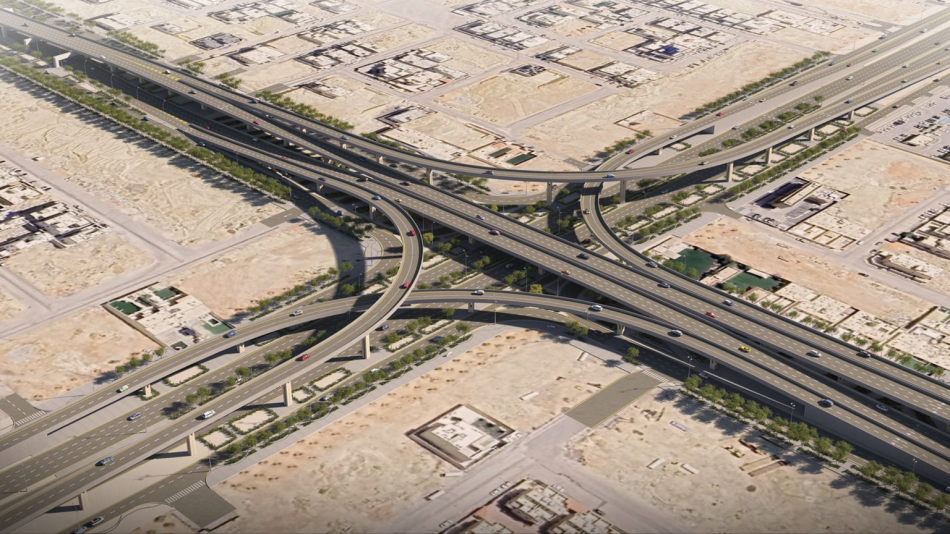
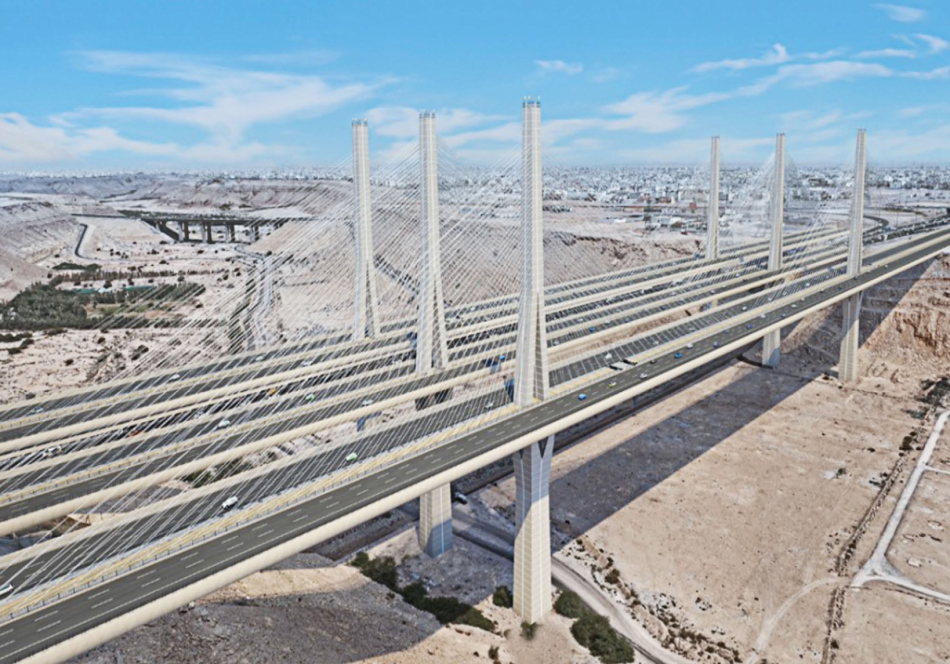
Following the announcement of the fourth package of Riyadh's Road Development Program, attention is now turning to a number of major strategic projects expected to be unveiled in the coming phases as part of a comprehensive plan to enhance the capital's transportation network, improve traffic flow, and accommodate Riyadh's rapid urban and population growth.
The most anticipated projects include the redevelopment of King Fahd Road, the Northern, Eastern, Western, and Southern Ring Roads, as well as the Al-Orouba Road – Prince Bandar bin Abdulaziz Road corridor, one of the city's key strategic routes linking several major districts.
These projects build on Riyadh's broader road development program, which includes multi-level interchanges, bridges, tunnels, corridor upgrades, and traffic-flow improvements designed to support the city's expansion, integrate with the Riyadh Metro and public transport network, and advance the objectives of Saudi Vision 2030.
BETH Perspective
Road projects in Riyadh are no longer simply solutions to traffic congestion.
They have become an integral part of reshaping the city itself.
Every new corridor does more than shorten travel times.
It redistributes traffic, enhances investment attractiveness, increases the value of surrounding areas, and creates new opportunities for urban growth.
As the remaining phases are completed, Riyadh moves closer to building a more integrated urban transportation network—one measured not only by the number of kilometers it adds, but by its ability to strengthen the economy, improve quality of life, and reinforce the capital's position as one of the world's fastest-developing cities.
Roads are not merely infrastructure.
They are economic infrastructure.
Every new corridor saves time, and in major cities, time is not simply a measure of hours—it is one of the most valuable drivers of productivity, investment, and quality of life.