



Saudi Arabia Strengthens Its Global Presence Through the Institutions of the Future
BETH B
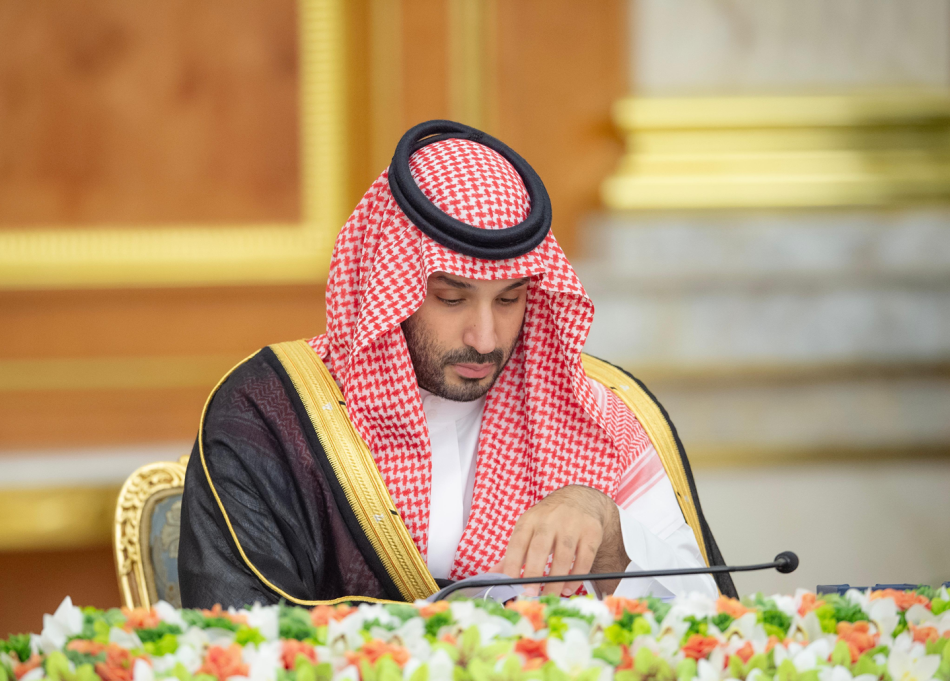
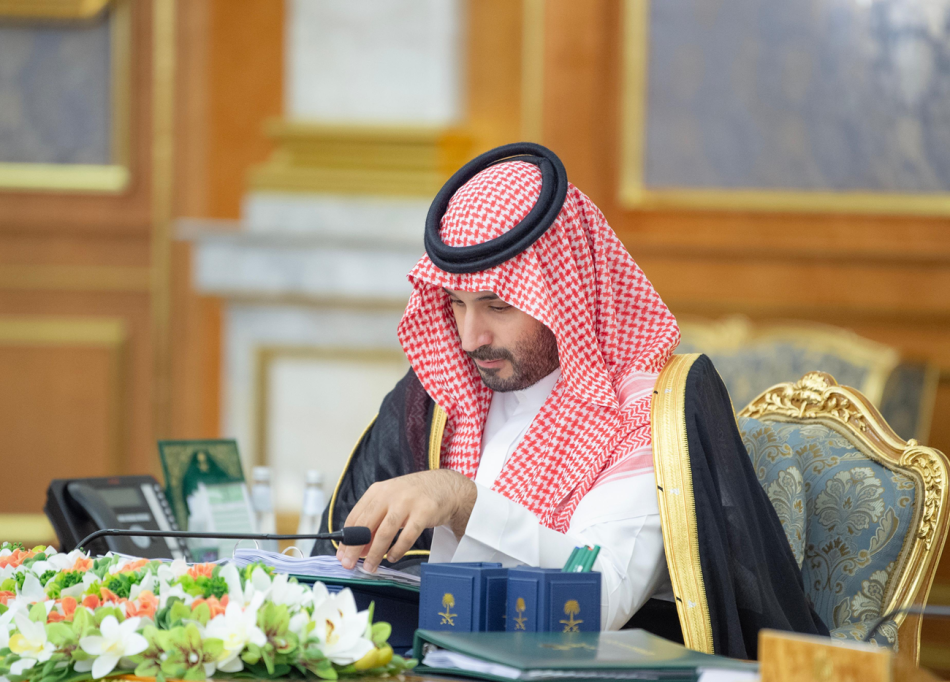
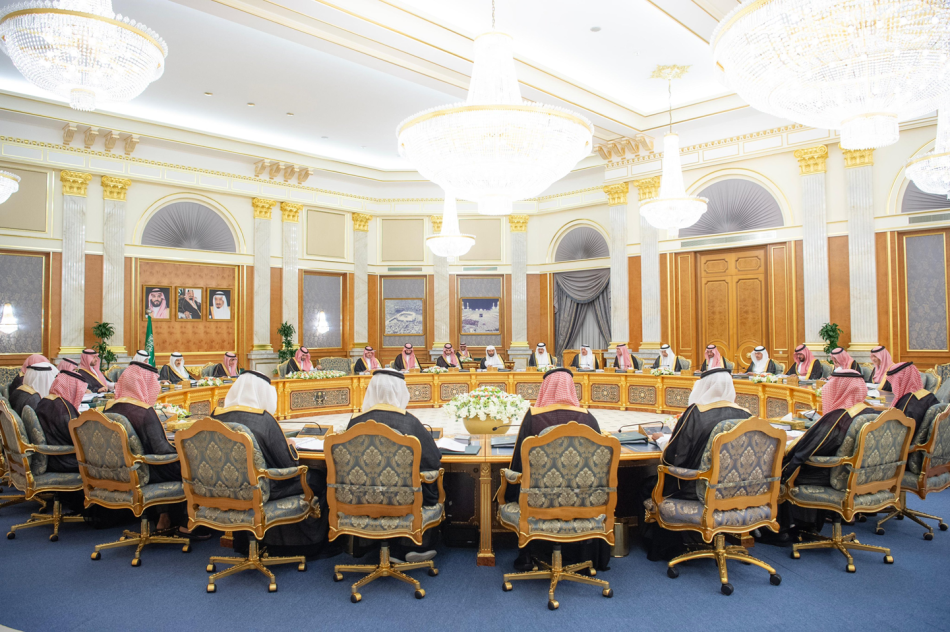
Crown Prince and Prime Minister Prince Mohammed bin Salman bin Abdulaziz Al Saud chaired the Cabinet session held on Tuesday in Jeddah, where ministers reviewed recent government developments, approved a series of agreements, memoranda of understanding, and executive decisions, and assessed performance indicators across several strategic sectors.
The session reaffirmed Saudi Arabia's commitment to expanding international partnerships while highlighting national achievements in telecommunications, digital technology, cybersecurity, civil aviation, and artificial intelligence in education. The Cabinet also approved the establishment of the Unified National Visa Platform and reviewed a range of development and administrative initiatives aligned with the objectives of Saudi Vision 2030.
Key Outcomes of the Cabinet Session
- Crown Prince Mohammed bin Salman chaired the Cabinet meeting in Jeddah.
- The Cabinet praised Saudi Arabia's active participation in the United Nations Counter-Terrorism Week.
- The UN Human Rights Council unanimously adopted Saudi Arabia's resolution on Empowering Women in Cybersecurity.
- Saudi Arabia ranked first globally in the 2026 ICT Development Index.
- The Kingdom was elected Chair of the Executive Council of the Arab Civil Aviation Organization for a second consecutive term.
- The World Bank commended Saudi Arabia's AI education regulatory sandbox as a leading international model.
- The non-profit sector continued its rapid growth, with more than 7,200 organizations and 1.7 million volunteers.
- Approval was granted for the Unified National Visa Platform.
- The Cabinet approved agreements and memoranda of understanding with Hungary, Kazakhstan, Poland, Singapore, Canada, Oman, Türkiye, Spain, and Mauritania.
- Final accounts for several government funds and universities were approved, alongside a number of senior appointments and promotions.
BETH Analysis
At first glance, this week's Cabinet decisions may appear highly diverse, covering fields ranging from cybersecurity and transportation to museums, visas, education, and civil aviation.
Viewed collectively, however, they reveal a much broader strategic picture.
Saudi Arabia is not advancing one sector at a time.
It is building an integrated framework for expanding its global influence.
The session brought together:
Security.
Technology.
Education.
Civil aviation.
Transportation.
Culture.
International cooperation.
Governance.
This diversity reflects more than the breadth of government activity.
It illustrates how the Kingdom is managing its next stage of national development.
A Nation Building Influence Through Institutions
Not long ago, national power was measured primarily by economic size or military capability.
Today, it is increasingly measured by a country's ability to generate initiatives, shape international standards, and export successful governance models.
This broader context helps explain:
Saudi Arabia's leadership of the global initiative on Empowering Women in Cybersecurity.
Its first-place global ranking in telecommunications and digital development.
The World Bank's recognition of its AI education initiative.
Its continued leadership of the Arab Civil Aviation Organization.
These are not isolated achievements.
They represent interconnected milestones that reinforce Saudi Arabia's position as a country that develops solutions rather than simply participating in them.
From Services to Platforms
Among the Cabinet's decisions, the approval of the Unified National Visa Platform stands out.
At first glance, it may appear to be an administrative measure.
In reality, it reflects a much broader transformation.
Modern governments no longer manage services through fragmented systems.
Instead, they build unified digital platforms that improve efficiency, strengthen data integration, and deliver a more seamless user experience.
This approach is fully aligned with Saudi Arabia's broader digital transformation strategy across government institutions.
Soft Power .. in a New Form
The agreements signed with multiple countries also demonstrate that Saudi Arabia's foreign engagement is no longer limited to traditional political diplomacy.
It increasingly extends into:
Culture.
Social development.
Transportation.
Oversight and accountability.
Justice.
Nuclear safety.
Together, these sectors illustrate an expanded concept of international partnership built upon institutional development and the exchange of expertise.
Conclusion
This Cabinet session demonstrates that Saudi Arabia continues to advance its national transformation across multiple fronts simultaneously.
While strengthening its leadership in technology, it is expanding international partnerships.
While accelerating digital transformation, it is reinforcing governance.
While investing in economic growth, it is also building new instruments of regional and global influence.
The question is:
Is Saudi Arabia entering a new phase in which its global influence will increasingly be defined by the institutions and models it exports, as much as by its economy and investment strength?