



Council of Ministers: A Roadmap for the State
Jeddah – BETH
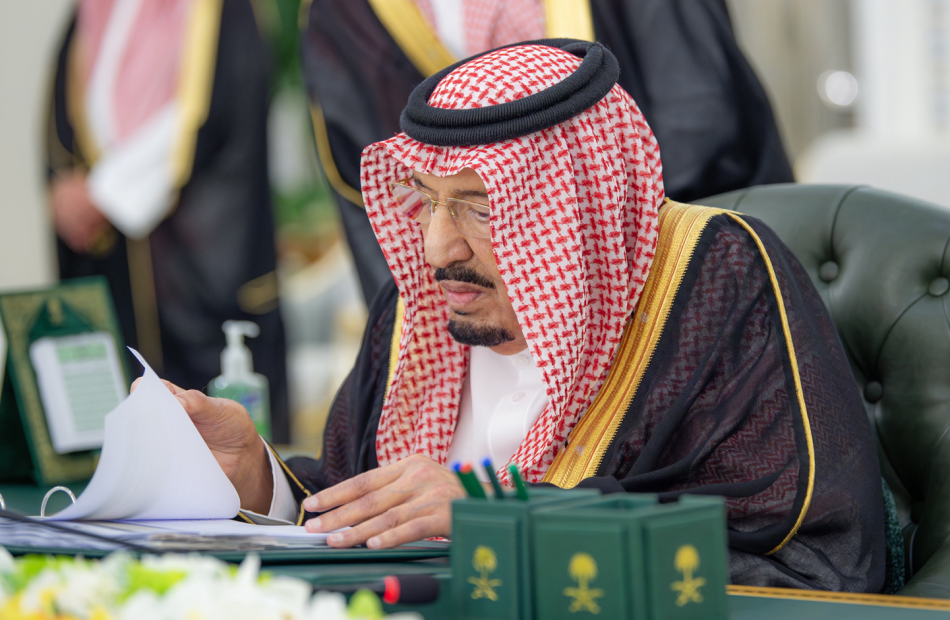
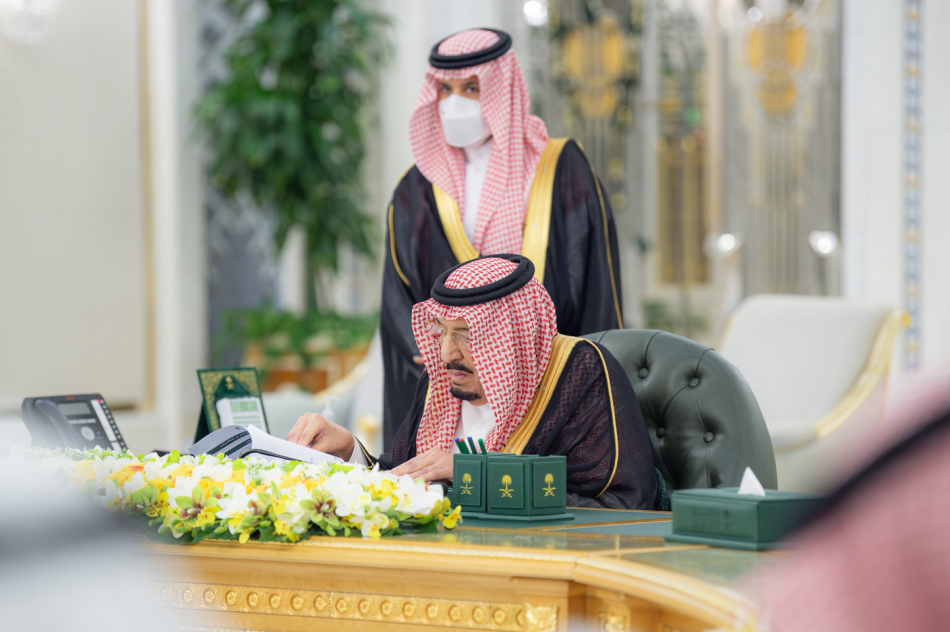
Chaired by the Custodian of the Two Holy Mosques, King Salman bin Abdulaziz Al Saud, the Saudi Council of Ministers held its session in Jeddah, addressing a broad range of political, security, economic, and development issues that reflected the Kingdom's continued strategy of strengthening regional stability while accelerating domestic transformation.
Key Highlights
Saudi–French Relations
- Reviewed the telephone conversation between Crown Prince Mohammed bin Salman and French President Emmanuel Macron.
- Discussed bilateral cooperation and regional and international developments.
- Reaffirmed support for diplomatic efforts aimed at reducing regional tensions.
Gulf Security and Maritime Navigation
- Condemned Iran's continued attacks against Kuwait and Bahrain.
- Denounced threats to security and freedom of navigation in the Strait of Hormuz.
- Reaffirmed Saudi Arabia's full solidarity with both countries and support for all measures to safeguard their sovereignty and security.
🇬🇨🇺🇸 GCC–U.S. Strategic Partnership
- Welcomed the outcomes of the GCC–United States Ministerial Meeting.
- Reaffirmed the strategic partnership and continued coordination on regional and international issues of mutual interest.
Infrastructure Development
- Reviewed the launch of a new phase of the redevelopment program for neighborhoods in Makkah.
- Noted the commencement of the fourth package of Riyadh's Ring Roads and Major Corridors Development Program.
Water Security
- Praised the launch of the first Saudi Water Week.
- Highlighted the Kingdom's growing role in advancing water security, innovation, and international cooperation.
Digital Transformation
- Commended the Saudi Data and AI Authority (SDAIA) for winning the 2026 United Nations Public Service Award.
Combating Narcotics
- Praised the Ministry of Interior's proactive efforts in combating drug smuggling and trafficking and protecting society from narcotics-related threats.
Major Decisions
International Cooperation
- Approved two general cooperation agreements with Slovakia and Slovenia.
- Approved a labor cooperation memorandum with South Africa.
- Authorized negotiations on a bilateral investment protection agreement with India.
- Approved a competition cooperation memorandum with Bahrain.
- Approved a sports cooperation memorandum with Italy.
- Approved a mining cooperation memorandum with Chile.
- Approved an educational and scientific cooperation memorandum with the Arab Bureau of Education for the Gulf States.
- Authorized negotiations on geological cooperation with Pakistan.
- Approved a counterterrorism cooperation memorandum with Kyrgyzstan.
- Approved an archival cooperation memorandum with Russia.
Domestic Development
- Exempted elderly citizens with no income, persons with disabilities, and eligible orphans receiving social security benefits from the requirement to register dependents in the same residence to qualify for minimum pension calculations.
- Approved using the model year, rather than the manufacturing year, as the reference for determining the maximum age of imported heavy trucks.
Administrative Decisions
- Renewed and appointed members of the Board of the National Center for Social Studies and Research.
- Approved final financial statements for several government entities.
- Issued directives regarding reports submitted by a number of public institutions and development funds.
- Approved promotions to Grade 15 positions.
BETH Analysis
The Council session reflects Saudi Arabia's continued pursuit of three parallel strategic tracks.
The first is political and security-oriented, emphasizing regional stability, Gulf security, freedom of navigation, and stronger international partnerships.
The second is development-focused, through sustained investment in infrastructure, urban development, and quality-of-life projects that support the Kingdom's long-term growth.
The third is future-oriented, centered on digital transformation, water security, innovation, investment, and expanding international cooperation across key sectors.
Taken together, the decisions demonstrate that the Council is not merely responding to current developments. It is advancing a long-term national agenda that integrates security, development, and global engagement, reinforcing Saudi Arabia's position as an influential regional and international partner.