



Eastern Province Governor Launches 6 Road Projects
Eastern Province Strengthens Its Logistics Position
Dammam | BETH | B
June 8, 2026
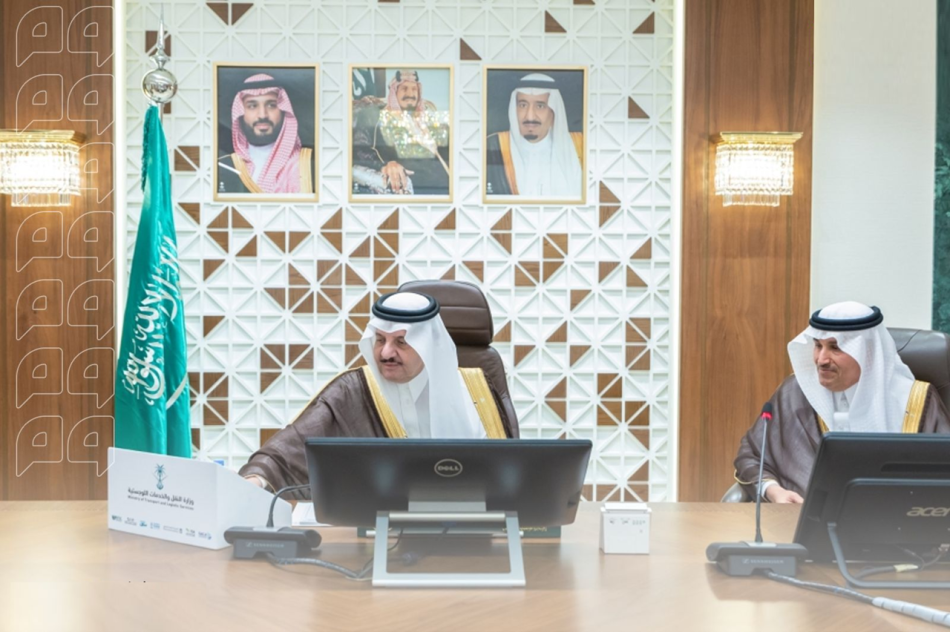
Eastern Province Governor, Prince Saud bin Nayef, inaugurated six new road projects with a total value exceeding SAR 406 million. He also witnessed the signing of transportation and logistics agreements and projects worth more than SAR 3 billion, covering airports, ports, railways, and logistics services.
Overview
The projects include the development of key roads and transportation corridors linking the Eastern Province with Gulf Cooperation Council countries, including the road leading to the Empty Quarter border crossing with Oman, new interchanges on regional road networks, bridges, and upgrades to major highways.
The agreements also include:
- Airport projects at King Fahd International Airport valued at more than SAR 1.2 billion.
- The concession agreement for the container terminal at Jubail Commercial Port, with investments exceeding SAR 2 billion.
- The establishment of a new logistics zone at King Abdulaziz Port in Dammam.
- The development of an integrated truck services center with investments of SAR 180 million.
- Construction of a new 21-kilometer railway line connecting Dammam’s Second Industrial City to the national railway network.
BETH Analysis
What stands out in this package is not merely the scale of spending, but the nature of the projects themselves.
The Eastern Province is not simply building individual roads or isolated facilities. Rather, it is enhancing the integration of the entire transportation ecosystem, including roads, airports, ports, and railways.
Projects such as the Jubail container terminal, the new logistics zone at King Abdulaziz Port, and the railway connection to the industrial city reflect a clear strategy to strengthen Saudi Arabia’s ability to manage trade flows and supply chains more efficiently.
At a deeper level, these projects appear to be part of a broader effort to transform Saudi Arabia into a global logistics hub, leveraging its strategic location at the crossroads of Asia, Europe, and Africa.
Every new road, more efficient port, or additional railway connection represents not just an individual infrastructure project, but another step toward building a wider economic and logistics network that supports industry, trade, and investment while advancing the objectives of Saudi Vision 2030.