


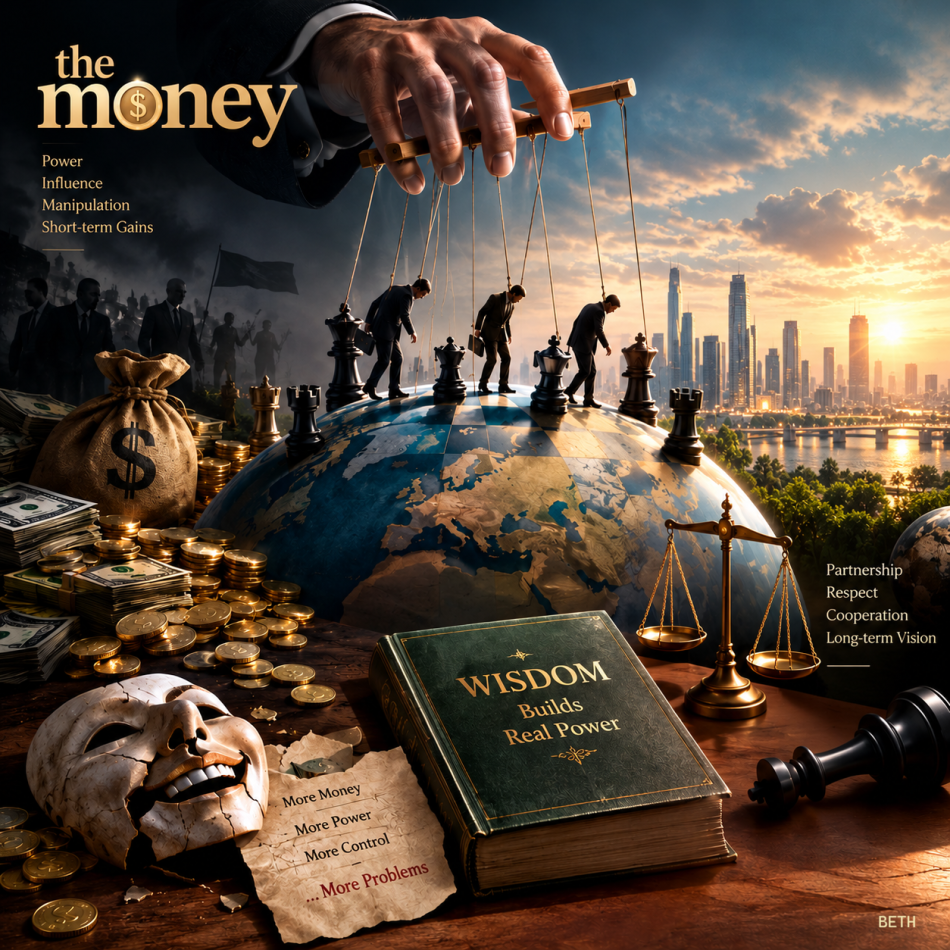
In the Shadow of War .. Truths Emerge
By: Abdullah Al-Omira
In times of calm, slogans can live for long.
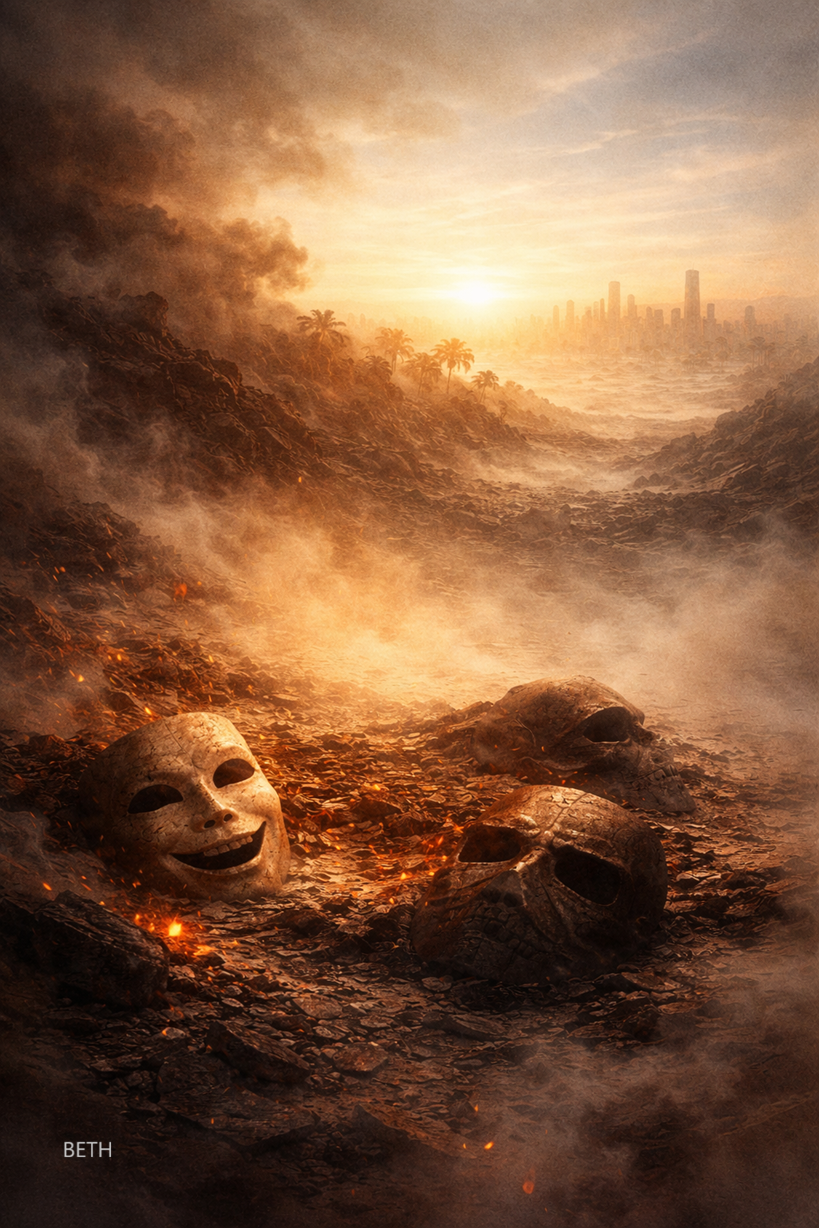
But in times of war, fire does not only burn cities… it burns masks as well.
The ongoing war today does not only reveal the scale of military conflict, but also exposes what lies behind it: hidden secrets and unrestrained ambitions for expansion in the region—and reveals something even more dangerous:
maps of false sentiments, temporary alliances, and hostilities that were hidden behind language, religion, nationalism, and political courtesy.
For decades, many in the Arab world have grown accustomed to a mental image that reduces hostility to a single headline, as if the region were governed by a simplified binary.
But major wars do not respect such simplifications…
they impose a harsher, more honest reading.
In this war, it is not only the traditional enemy that has appeared,
but other faces of tension and hostility have emerged…
some moving in the shadows, others hiding behind slogans that have lost their meaning, yet remained alive in minds that have not revisited reality.
Here, the bitterness deepens.
Hostility from afar can be understood…
but when it comes from those close in language, geography, or shared rhetoric,
it becomes far more impactful.
As the Arab poet Tarafa ibn al-Abd said:
“The ظلم of kin is more painful
than the strike of a sharpened sword.”
But the question that imposes itself today is not merely literary… it is political and existential:
Why do we wait for hardship to know?
Why do we delay recalibrating our compass… until war forces its lesson upon us?
Russia .. The Lesson of Interests
Here emerges the significance of the Russian position as an example that cannot be ignored today.
Moscow’s declaration of standing by Tehran as a “reliable partner” does not necessarily mean what political language suggests.
Russia, as reality reveals, supports Iran politically, yet does not bind itself to it with a formal defense alliance, nor does it appear willing to bear unpredictable costs for it.
What we see here is not contradiction…
but consistency with the logic of the state.
Russia acts as a power that:
invests in the attrition of its adversaries
benefits from energy disruptions
and maintains its relationships… without exceeding the limits of interest
It does not move with the emotion of an ally,
but with the calculations of a state.
Here lies the essential truth:
Politics is not managed by friendship… but by interests.
The Gulf.. A Moment of Transformation
In contrast, the war has revealed an equally important truth:
the Gulf states are no longer a marginal space interpreted from the outside,
but have become an active force in the equation of regional stability.
Their strength has emerged—strength that some underestimated or did not anticipate.
The Gulf states, led by Saudi Arabia, have demonstrated a power not to be underestimated:
A power not shaped by impulsive desires,
but built on wisdom, long-term vision, and deep awareness.
A power that was never an instrument of aggression…
nor a source of instability,
but a force of balance that protects it.
Wise power is the kind that can be trusted to bring conflicts to a favorable end,
no matter how complex the conditions or how long wars endure…
because it understands that what matters is not the beginning,
but the end.
Many fail to understand this,
because they do not truly know the Kingdom’s history,
nor how it deals with adversaries—with calculated calm, not impulsive reaction.
Managing balance, securing navigation, and controlling the tempo…
are not merely actions,
but clear indicators of a qualitative shift in position and influence.
From a position of greater impact.
A Different Compass
From here, a new compass may begin.
Not toward a temporary, hasty, or reckless peace without meaning,
nor toward surrender to reality,
but toward a peace based on alignment of interests, respect for power balances, and understanding the interconnected security of the region.
A peace not made by slogans… nor built on illusionary plans,
but forged by awareness.
After the War
Before the war, planning relied on traditional assumptions.
After it, new realities have begun to reshape the equations.
If the war ends with a restructuring of Iran’s internal order,
we are not speaking of changing a state…
but of redrawing an entire region.
Decline of proxy dynamics
Rise of direct state roles
Redefinition of alliances
Where the question is no longer:
Who is the enemy?
But rather:
Who is the partner… and within what limits?
Conclusion
In the shadow of war,
truths become clearer than they are constructed.
The war may not have ended yet…
but it has undoubtedly begun to dismantle many illusions.
War did not change reality…
it forced everyone to see it as it truly is.