
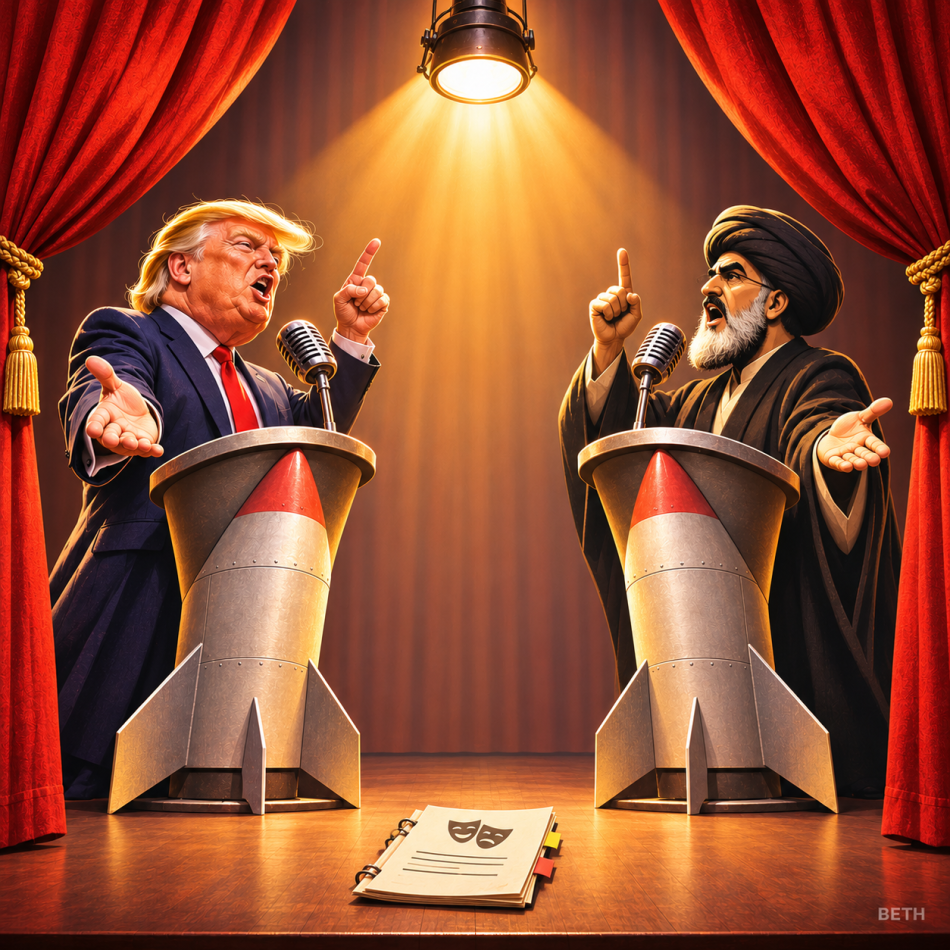


Oil Shifts From Shortage to Surplus.. Yet the War Is Not Over!
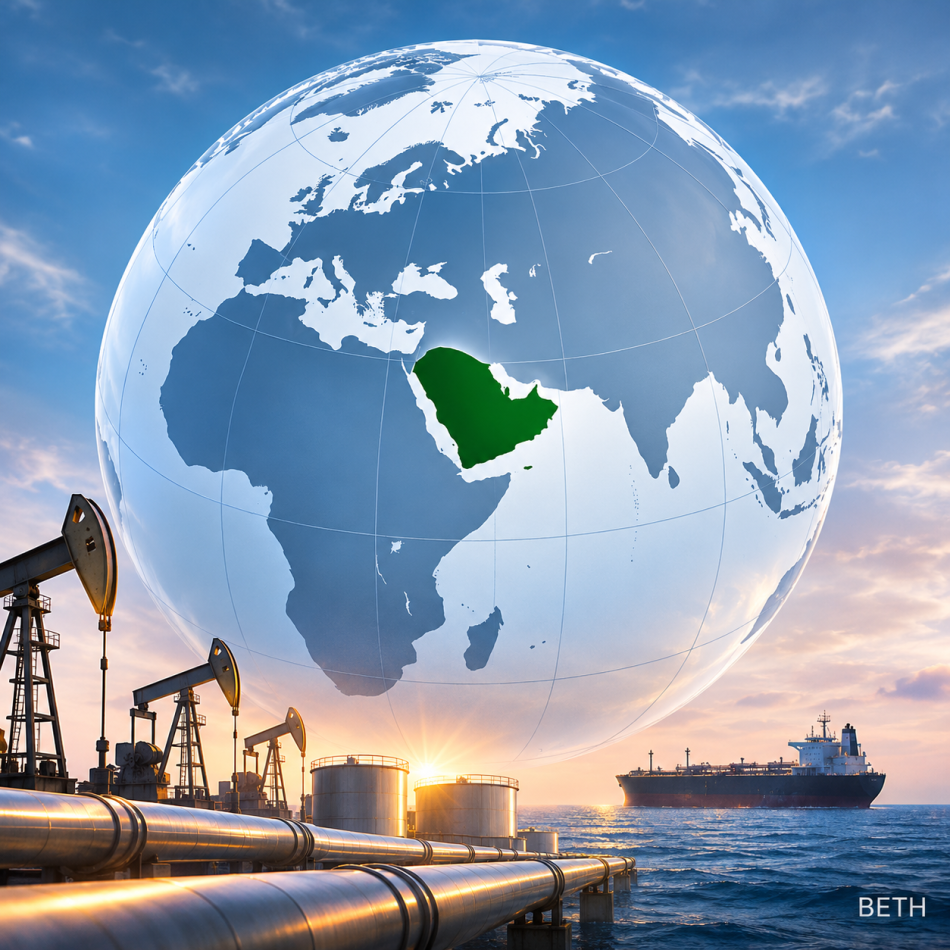
A remarkable shift in global energy markets: supplies exceed demand for the first time since the outbreak of the war with Iran, and prices have fallen by more than 30%. Yet oil inventories remain depleted, and petroleum products continue to face severe shortages. How did the equation change, and what does this mean for Saudi Arabia and the world?
Riyadh | BETH
November 13, 2026
Global oil markets have entered a new and unexpected phase, shifting from a severe supply shortage to a surplus, despite the continuing war with Iran and disruptions to shipping through the Strait of Hormuz.
A report released today, Friday, by the International Energy Agency (IEA) revealed that global oil supply rose to 105.4 million barrels per day in October, an increase of 2.3 million barrels per day compared with September, supported by the recovery of Gulf oil exports and declining global demand.
According to the agency's estimates, the market is heading toward a surplus in the final quarter of 2026, which could widen next year.
How Did the Equation Reverse?
Three factors changed the direction of the market:
First, Saudi Arabia and other Gulf countries restored a substantial share of their production and exports, benefiting from pipelines and alternative shipping routes despite continuing security risks.
Second, production increased outside the Arabian Gulf region, particularly in the United States, Canada, Brazil, Argentina and Guyana.
Third, global consumption declined as a result of higher energy prices and disruptions to industry and transportation, with demand expected to fall by approximately 2.7 million barrels per day during 2026.
Prices | A Sharp Decline Without an End to the Crisis
The benchmark price of North Sea crude fell from approximately $136 per barrel in early October to around $93 at the time of this report, a decline of nearly 32%.
However, this decline was not reflected to the same extent in refined products. Diesel prices in Europe remained close to $180 per barrel, approximately 77% above their pre-war level.
The reason is that an abundance of crude oil does not necessarily mean sufficient capacity to refine, transport or convert it into fuel ready for consumption.
Inventories | A Surplus That Does Not Offset Wartime Losses
Although observed global oil inventories increased by 52 million barrels in October, this rise was primarily driven by an increase in oil volumes held aboard vessels.
Meanwhile, onshore inventories continued to decline, while total observed inventories remained approximately 462 million barrels below their level at the beginning of the war.
This means that the current surplus has not yet compensated for the depletion experienced by markets over recent months.
Saudi Arabia | Leading the Recovery and Facing the Price Challenge
Saudi Arabia played a prominent role in restoring Gulf oil supplies, with production recovering and alternative export routes through the Red Sea being activated, helping to ease pressure on global markets.
However, the shift to a surplus presents a different economic challenge: maintaining market balance and the value of exports amid falling prices.
Higher production may increase export volumes and market share, but it does not guarantee higher revenues if the price per barrel declines.
Coordination among OPEC+ producers is becoming increasingly important to ensure that the production recovery does not translate into additional downward pressure on prices.
BETH Analysis | Has the Oil Crisis Ended, or Has Its Nature Changed?
Developments reveal that the oil market has not overcome the effects of the war. Instead, it has moved from a supply shortage crisis to a more complex test combining surplus supplies, security risks and imbalances in fuel markets.
The market may have sufficient quantities of crude oil, but it remains vulnerable to disruption if tankers, refineries or supply routes are affected.
This is where Saudi Arabia's importance becomes clear. Its role extends beyond increasing production to the resilience of its export system and its contribution to market stability.
The next phase will be determined by three factors: the continued recovery of Gulf oil exports, the direction of global demand and the success of political efforts to reduce maritime risks.
The conclusion is that falling oil prices do not mean the crisis is over. Oil may become plentiful globally, while delivering it to consumers remains costly and fraught with risks.
The most important question now is: Will the surplus turn into lasting stability, or will another strike against a tanker or oil facility push the market back into a cycle of shortages and rising prices?
Related Report:
Saudi Arabia Leads Oil Production Recovery Despite the War
Prepared and Analyzed by | Strategic Media Management – BETH News Agency