


Saudi Arabia Links Food Security to Manufacturing, Financing and Exports
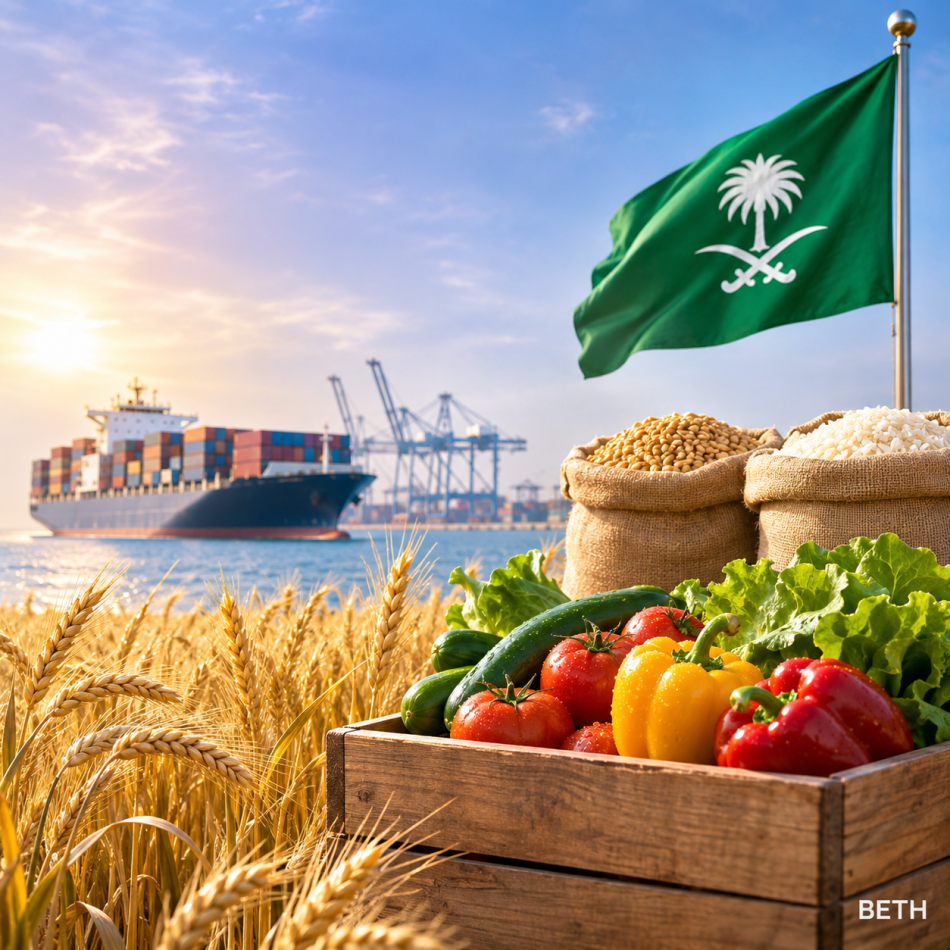
Three economic developments reveal the outlines of an integrated system: a food-processing plant with an annual capacity exceeding 500,000 tonnes, SR43.22 billion in export credit facilities, and a banking partnership to finance food imports and agricultural activities. How can these initiatives translate into sustainable productive and commercial strength?
Riyadh | BETH
November 13, 2026
Saudi Arabia's efforts to strengthen food security extend beyond increasing agricultural production and ensuring the availability of essential commodities to building an economic system that connects local crops with food manufacturing, bank financing and international trade.
Three developments highlight different aspects of this system, bringing together industrial investment, supply chain financing and the expansion of national products' ability to compete in international markets.
Manufacturing | Turning Crops Into Economic Value
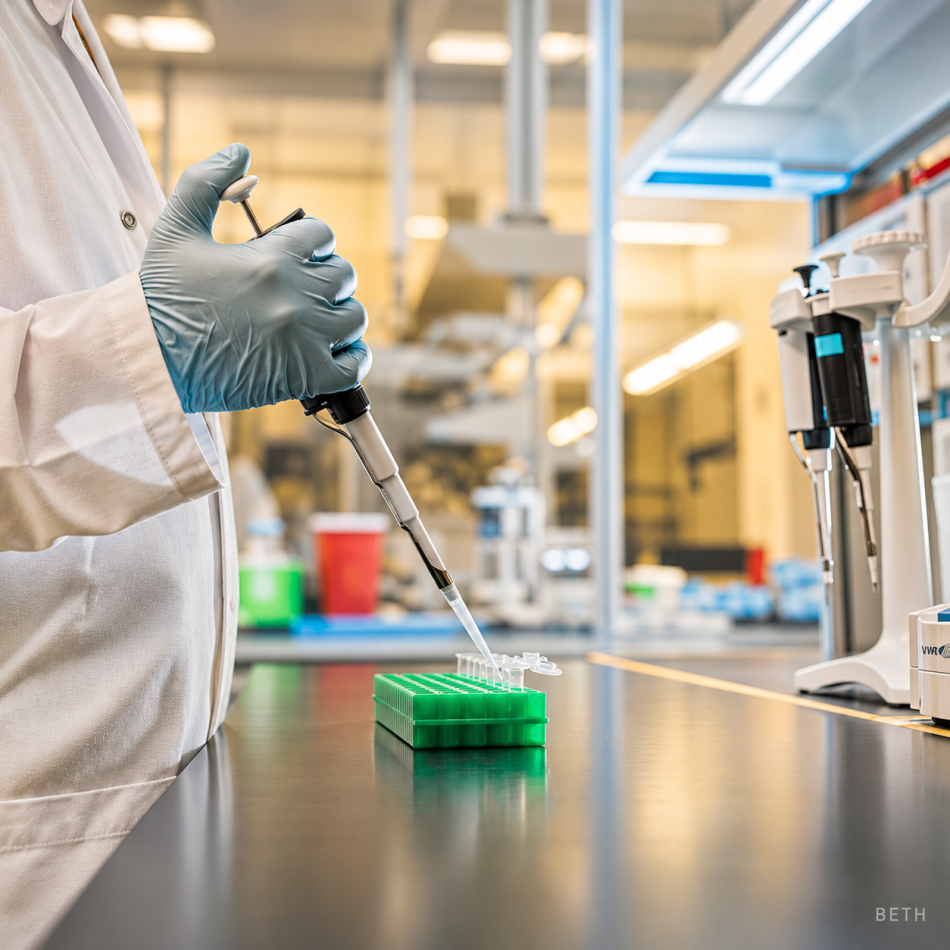
The Leen Al-Khair Company's food-processing plant project in Riyadh represents a model for expanding food manufacturing, with a targeted annual production capacity exceeding 500,000 tonnes and completion expected on September 30, 2027.
The project focuses on preparing, processing and marketing agricultural products, using production lines alongside smart cooling and storage systems. This will enable crops to be transformed into a variety of food products with greater added value and longer shelf lives.
Its significance lies in reducing food loss and waste, increasing the economic returns from locally grown crops and creating broader marketing opportunities for farmers.
Financing | Securing Supplies Before They Arrive
In a complementary development, the Agricultural Development Fund signed an agreement with Alinma Bank to provide guaranteed credit facilities aimed at financing imports of essential food products, agricultural supplies and the operating costs of agricultural enterprises.
The agreement provides financing instruments, including short-term Murabaha facilities and letters of credit, backed by guarantees from the Fund for eligible customers.
This mechanism strengthens enterprises' ability to secure liquidity and maintain their operations, particularly when international trade faces disruptions to shipping and supply chains.
Exports | Financing Expansion Into Global Markets
In a broader initiative to support Saudi exports, credit facilities provided by the Saudi Export-Import Bank reached SR43.22 billion by the end of September 2026, representing growth of 27.12%.
These facilities comprised SR11.44 billion in disbursed export financing and SR31.78 billion in exports covered by export credit insurance, while small and medium-sized enterprises accounted for 36.7% of the bank's customers.
These results demonstrate the importance of combining financing and insurance to reduce international trade risks and help national enterprises enter new markets.
Although these facilities support Saudi exports in general and are not limited to food products, they provide a model for financing instruments that national industries eligible for export could benefit from.
BETH Analysis | From Securing Food Supplies to Creating Economic Value
The three developments reveal significant economic integration: production provides the crops, manufacturing increases their value, financing sustains operations and supplies, and exports create additional opportunities for growth.
However, building a fully integrated system requires more than the availability of projects and credit facilities. It depends on enterprises' ability to establish effective links between farmers, factories, banks and markets.
This highlights the importance of measuring outcomes through reduced food waste, increased local content in manufactured products, growth in food exports and enterprises' ability to withstand market disruptions.
Expanding domestic manufacturing also does not eliminate the need for imports. Sustainable food security depends on diversifying supply sources, strengthening national production and developing the capacity for storage, processing and distribution.
Ultimately, Saudi Arabia is moving toward a broader concept of food security that goes beyond food availability to encompass the sustainability of its financing, production and manufacturing, while maximizing its economic value.
The forward-looking question is: To what extent can this integrated system transform Saudi agricultural produce from a local commodity into a competitive industry capable of reaching global markets?
Prepared and Analyzed by | Strategic Media Management – BETH News Agency