



Day Fourteen
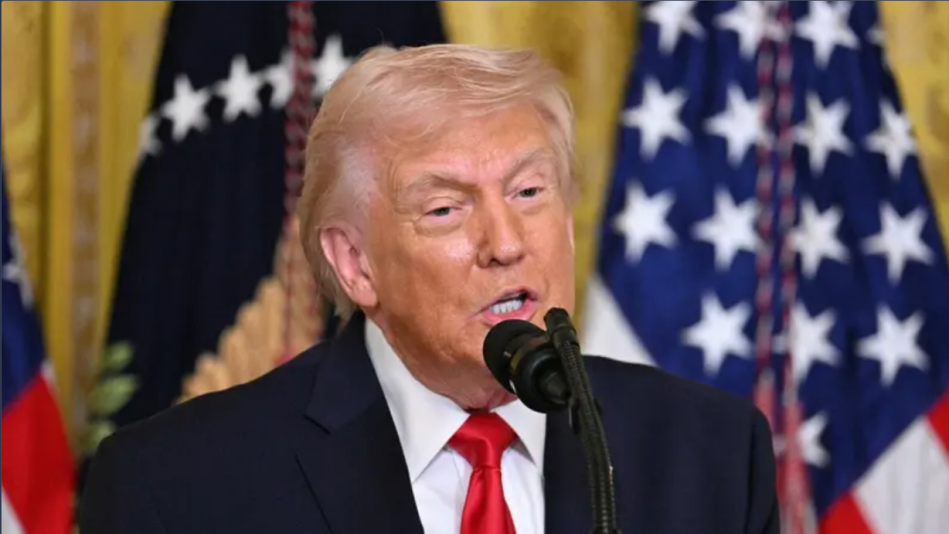
Escalation Widens .. Trump: Iran Is on the Verge of Surrender
Washington Escalates Its Rhetoric, Tehran Responds: Wars Are Not Ended by Tweets
Follow-up & Analysis | BETH
As the war enters its fourteenth day between Iran on one side and Israel and the United States on the other, military strikes continue to be exchanged across several arenas, amid rising regional and international concerns over energy security and the stability of global supply.
Field reports indicate the continuation of American and Israeli strikes inside Iranian territory, alongside intensified Israeli attacks targeting sites linked to Hezbollah in Lebanon, reflecting the widening scope of the confrontation and increasing the possibility of a broader regional escalation.
Intensified Exchange of Strikes
Iran launched a wave of missiles toward Jerusalem, Tel Aviv, and Eilat, while Hezbollah announced the firing of rockets from southern Lebanon toward targets inside Israel.
In response, Israel carried out strikes targeting three sites west of the Iranian capital Tehran, as well as locations northeast of Tehran, as part of the ongoing military escalation between the two sides.
Meanwhile, U.S. forces targeted Iran’s Fourth Air Base in Ahvaz, western Iran.
Strikes also destroyed the headquarters of the Security Forces in the Afsharieh district of Tehran.
Trump: Iran Is on the Verge of Surrender
In a notable development, U.S. President Donald Trump said that he informed the leaders of the G7 that Iran is “on the verge of surrender.”
In statements and posts on his Truth Social platform, Trump said the United States had “completely destroyed Iran in a way no other country has ever done,” adding that the American strikes were “stronger than what any country has experienced since World War II.”
He also wrote in another post:
“Watch what will happen to these lunatics today.”
Trump went further by saying that the Iranian navy is finished, its air force no longer exists, and its missiles and drones have been completely destroyed, adding that Iranian military leaders “have been wiped off the face of the earth.”
In a controversial statement he wrote:
“They have been killing innocent people around the world for 47 years, and now I, as the 47th President of the United States, am killing them.”
Tehran: Wars Are Not Ended by Tweets
On the other side, Ali Larijani, head of Iran’s Supreme National Security Council, responded in sharp terms, warning that the United States and Israel “will pay the price.”
In a post on X, he wrote:
“Trump has returned to say we must win this war quickly… but starting wars is easy, while ending them cannot be done with a few tweets.”
Explosions in Tehran
On the ground, powerful explosions shook the Iranian capital Tehran during the past hours.
According to Iran’s Tasnim News Agency, loud blasts were heard in several areas of the city.
No official details have yet been released regarding the nature of the targets that were struck or the extent of the damage.
Washington: Our Goal Is to Completely Destroy Iran’s Missiles
Following the path of U.S. President Donald Trump, U.S. Secretary of Defense Pete Hegseth vowed to continue the war against Iran and to “confront the Iranian regime without mercy.”
Speaking at a press conference on Friday, he said that leaders of the Iranian regime are hiding and fleeing, noting that “the regime is retreating while U.S. forces are advancing.”
He also claimed that Iran’s new Supreme Leader Mojtaba Khamenei was injured during the operations and that his facial features were disfigured, adding that “he does not enjoy legitimacy.”
Hegseth further confirmed that U.S. and Israeli forces have completely destroyed the Iranian navy and its fighter jets, asserting that Tehran no longer possesses effective air defenses or operational missile launch platforms.
He added that U.S. forces are using advanced equipment for jamming and deceiving the enemy as part of the ongoing operations.
Israeli Estimates
An Israeli official stated that Iran still possesses about 1,224 missile launch platforms, despite the ongoing strikes targeting its military infrastructure.
Missiles Over Jerusalem
On the ground, Iran launched a new wave of missiles toward Israel, while air defense systems intercepted a ballistic missile over Jerusalem.
Strikes Inside Iran
Powerful explosions shook the Iranian capital Tehran, as the Israeli army announced strikes targeting locations in Shiraz and Ahvaz.
Threat to Shipping
In a development that raises concern for energy markets, reports indicated that Iran continues to target oil tankers in the Strait of Hormuz, one of the world’s most important maritime routes for energy transport.
War Figures
Estimates indicate that Iran has launched around 3,500 missiles and drones toward Gulf countries since the beginning of the military escalation.
Iran Pulls Hezbollah In
Analysis | BETH
Iran announced that the strikes directed at Israel are being carried out in cooperation with Hezbollah, a statement that carries multiple political and military messages at a sensitive moment of regional escalation.
1. Demonstrating Continued Influence
Through this statement, Tehran seeks to show that its regional network of allies remains active, and that it is not alone in the confrontation.
Mentioning Hezbollah is intended to highlight what Iran describes as the “Axis of Resistance.”
2. Psychological Deterrence
The statement sends a deterrence message to Israel that the confrontation may expand beyond a single front, and that other parties could become involved in the fighting.
3. Boosting Allies’ Morale
Such statements are also used to raise the morale of supporters by suggesting that coordination is ongoing and that operations are being carried out jointly.
4. Asserting a Leadership Role
Iran’s political and military rhetoric often aims to present itself as the central force coordinating or leading its allies in the region, rather than merely a distant supporter.
5. A Message to the Iranian Public
The statement also serves the domestic audience in Iran, seeking to show that the leadership remains influential in regional affairs despite pressure and challenges.
6. Testing Reactions
At times, such statements are also issued to test international and regional reactions before taking broader military steps.
U.S. Reward for IRGC Leaders
The Rewards for Justice program of the U.S. Department of State’s Diplomatic Security Service announced a reward of up to $10 million for information related to several key leaders of the Islamic Revolutionary Guard Corps (IRGC).
More Than Six Thousand Strikes on Iranian Sites
Military estimates indicate that the number of strikes targeting sites linked to Iran has exceeded six thousand since the beginning of the confrontation, in one of the largest military operations the region has witnessed in recent years.
Russia Plans to Evacuate Staff from Bushehr
Russia announced its intention to evacuate a number of its personnel from Iran’s Bushehr port, a move reflecting growing concerns over a possible expansion of military operations in the region.
Shiraz Airport in Southern Iran Hit
Shiraz Airport, in southern Iran, was struck during the ongoing military operations, amid reports that logistical sites and infrastructure linked to military capabilities were targeted.
Israel Announces New Wave of Strikes in Tehran
The Israeli army announced on Friday the start of a new wave of strikes targeting infrastructure in Tehran.
Israeli military spokesperson Ella Wawiya said in a post on the platform X that the army had launched "a wide wave of airstrikes targeting infrastructure belonging to the Iranian regime across Tehran."
Missile and Drone Attack on Erbil
The city of Erbil was targeted by an Iranian attack using missiles and drones, in a development reflecting the widening scope of the confrontation to multiple regional arenas.
BETH Reading
The escalating political rhetoric used by both sides reflects a shift in the conflict from limited strikes to a broader psychological warfare phase.
While Washington and Israel seek to portray the strikes as a decisive blow to Iran’s military infrastructure, Tehran is attempting to break the narrative of a quick victory and emphasize that the war remains open.
Most likely, the coming days will not be decided by statements, but by each side’s ability to manage escalation without sliding into a wider regional war that could threaten global energy security and international stability.