



GCC Unifies Position
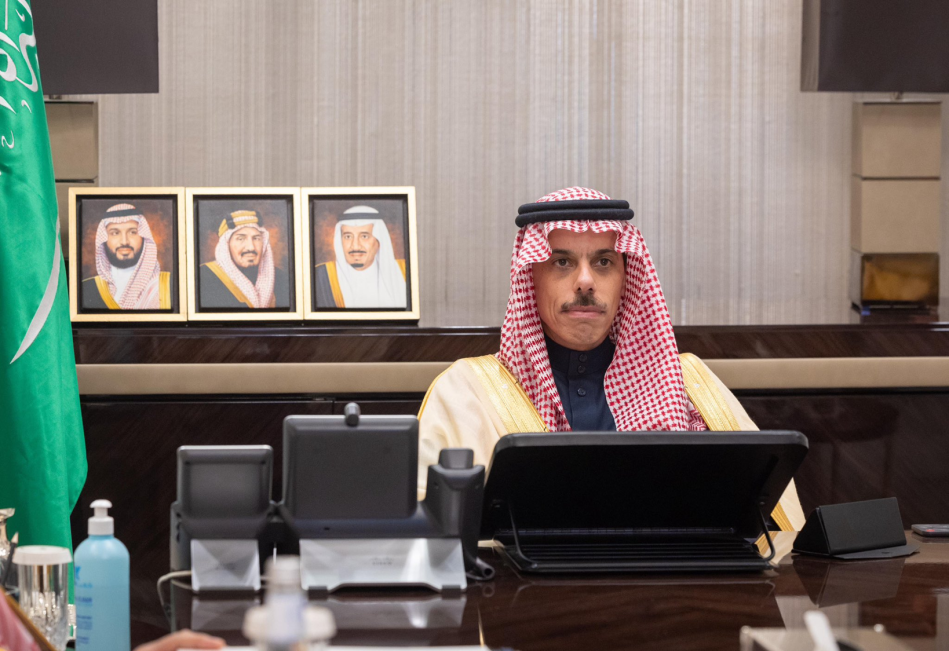
GCC Ministerial Council Emergency Meeting… Unified Position and Collective Deterrence
Gulf Region | BETH – March 2, 2026
Extraordinary Meeting Amid Escalation
The Ministerial Council of the Gulf Cooperation Council (GCC) held its 50th extraordinary meeting via videoconference, chaired by Bahrain’s Minister of Foreign Affairs Dr. Abdullatif bin Rashid Al Zayani, with the participation of GCC foreign ministers and the Secretary-General of the Council, to discuss the repercussions of Iranian missile and drone attacks targeting several GCC states since February 28, 2026.
Collective Condemnation of the Attacks
The Council strongly condemned the Iranian attacks targeting civilian facilities, service infrastructure, and residential areas across GCC countries, in addition to the Hashemite Kingdom of Jordan, describing them as:
A serious violation of state sovereignty
A clear breach of international law and the UN Charter
A grave violation of international humanitarian law due to the targeting of civilians
Gulf Security Is Indivisible
The Council affirmed that the security of GCC member states is indivisible, stressing that any attack against one member state constitutes a direct attack against all members under the Joint Defense Agreement.
It also reaffirmed the member states’ legitimate right to individual and collective self-defense in accordance with Article 51 of the United Nations Charter.
High Defensive Readiness
The Council praised the efficiency and readiness of GCC armed forces and air defense systems, which successfully intercepted the attacks, mitigated their impact, and protected lives and critical infrastructure.
Protecting Energy and Global Navigation
The Council emphasized the importance of:
Securing regional airspace and maritime routes
Protecting global supply chains
Maintaining stability in global energy markets
It stressed that Gulf stability represents a cornerstone of global economic security, not merely a regional concern.
Call for International Action
The Council called on the international community and the UN Security Council to take immediate and decisive action to halt the attacks and prevent their recurrence, warning of serious consequences for regional and international peace.
It also reiterated GCC support for dialogue and diplomatic solutions, commending Oman’s mediation efforts.
BETH Reading | Strategic Meaning
The GCC statement goes beyond political condemnation, reflecting a clear shift toward organized collective deterrence.
Key implications include:
Transforming the attacks from isolated incidents into a unified regional security issue
Reinforcing the concept of integrated Gulf defense
Delivering a dual message: readiness to respond while keeping diplomacy open
In essence, GCC states are seeking to prevent escalation while signaling that unconditional restraint has reached its limits.
BETH:
The statement does not declare war — but it defines its boundaries in advance.