



Trump and the State of the Union
Prepared & Analyzed | BETH
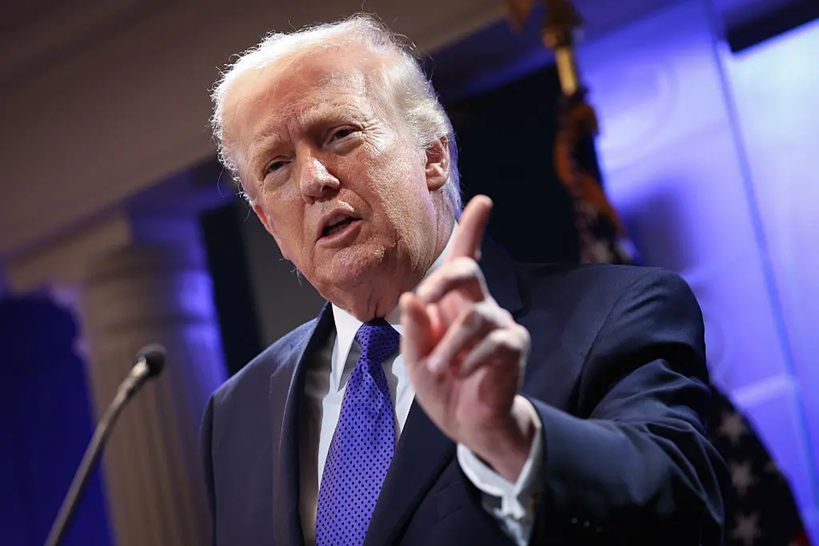
U.S. President Donald Trump is set to deliver the State of the Union address before Congress this Tuesday evening, in a politically charged domestic and international moment. The speech comes as he seeks to bolster Republican chances of maintaining their fragile majority in Congress ahead of the 2026 midterm elections.
⏰ Speech Time:
9:00 PM Eastern Time (ET)
02:00 AM GMT (UTC +0)
05:00 AM Saudi Time (AST)
The address carries a symbolic theme:
“America at 250: Strong, Prosperous, and Respected”
an attempt to reframe U.S. leadership both at home and abroad.
Context of the Moment
The speech comes amid a complex convergence of domestic and external pressures:
A decline in Trump’s approval ratings during his second term, with growing criticism over economic management and immigration, including reservations within segments of the Republican Party itself.
Sharp political polarization in Congress, with Democrats preparing political and media counter-narratives to the address.
Mounting external tensions, particularly in Middle Eastern files and Iran, alongside broader strategic competition with China and Russia.
Escalating friction with the judiciary, following a U.S. Supreme Court decision striking down most of the tariffs imposed by Trump under the banners of “reciprocal tariffs” and “fentanyl-related tariffs.” Trump’s subsequent attacks on justices who opposed the decision have added institutional tension to the moment—especially as Supreme Court justices are expected to be seated in the front rows during the address.
Expected Key Themes
1) The Economy First
Trump is expected to highlight what he views as achievements in the first year of his return to office, including:
Declining inflation rates.
Lower rental and mortgage costs.
Stock market indices reaching record highs.
New tax exemptions for seniors, car buyers, overtime workers, and tip-based employees.
However, public opinion polls indicate a noticeable gap between official narratives and the lived experience of many Americans regarding the cost of living.
2) Domestic Policy
The speech is likely to reiterate:
A hardline approach to border security and immigration.
Claims of achievements in manufacturing, energy, and job creation.
Renewed framing of healthcare and tax reforms within an early electoral context.
3) Foreign Policy
Trump is expected to address:
The administration’s role in brokering a ceasefire in Gaza.
The Iran file, maintaining a dual-track message of diplomacy alongside threats of escalation should negotiations fail.
A blend of defensive and assertive rhetoric that reflects the duality of current U.S. foreign policy messaging.
Reasserting America’s global posture amid strategic competition with China and Russia.
Broader Strategic Implications
The address will resonate beyond U.S. borders, serving as a signal to markets, allies, and adversaries alike:
Any escalation in rhetoric could have immediate repercussions on energy and financial markets.
Messages regarding Iran and the Middle East will be closely read regionally as indicators of potential escalation or containment trajectories.
The confrontation with the Supreme Court adds a domestic institutional dimension, highlighting strains in the balance of power at a sensitive political juncture.
Potential Reactions
Domestically:
Democrats are preparing immediate counter-speeches and symbolic forms of protest, potentially within the chamber or beyond Capitol Hill.
Within Republican ranks, concerns persist that an overly confrontational tone may deepen polarization rather than broaden electoral appeal ahead of 2026.
Internationally:
Allies will assess the credibility of U.S. security commitments.
Adversaries will scrutinize any signs of inconsistency or strategic ambiguity in Washington’s messaging.
BETH Summary
The forthcoming State of the Union address is more than a ceremonial speech; it is a strategic test of Trump’s ability to recalibrate his political standing domestically and reassert U.S. positioning internationally at a volatile moment.
The address will function as an early electoral platform and a tool to redraw the contours of confrontation and alignment in U.S. policy at home and abroad.
Post-Speech Watch Points
How will Trump frame the Iran and Middle East files?
Will domestic electoral messaging overshadow foreign policy priorities?
What immediate impact will the speech have on financial and energy markets?
Will the tone contribute to de-escalation or further polarization?