



Third International Security and Safety Forum Kicks Off in Riyadh Under the Patronage of the Minister of Interior
Riyadh – BETH | 18 Jumada II 1447 AH / 9 December 2025
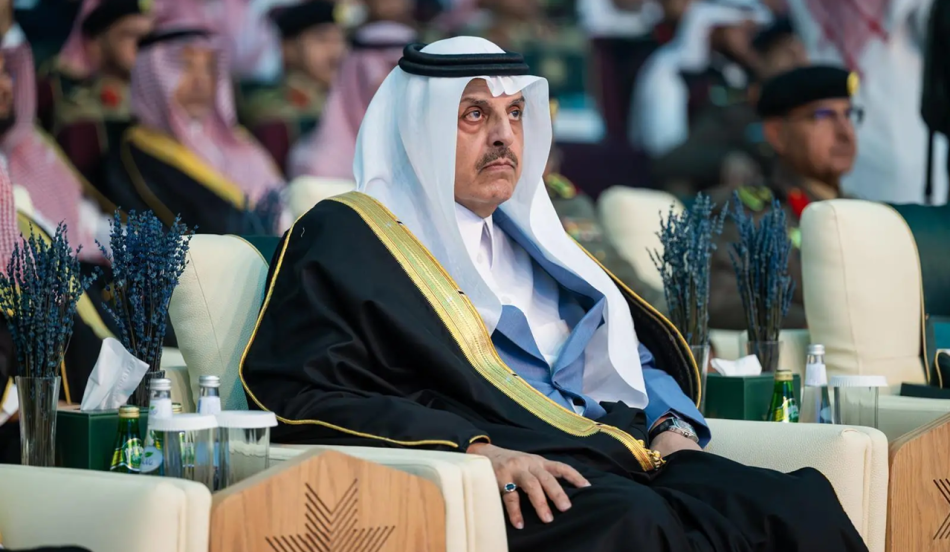
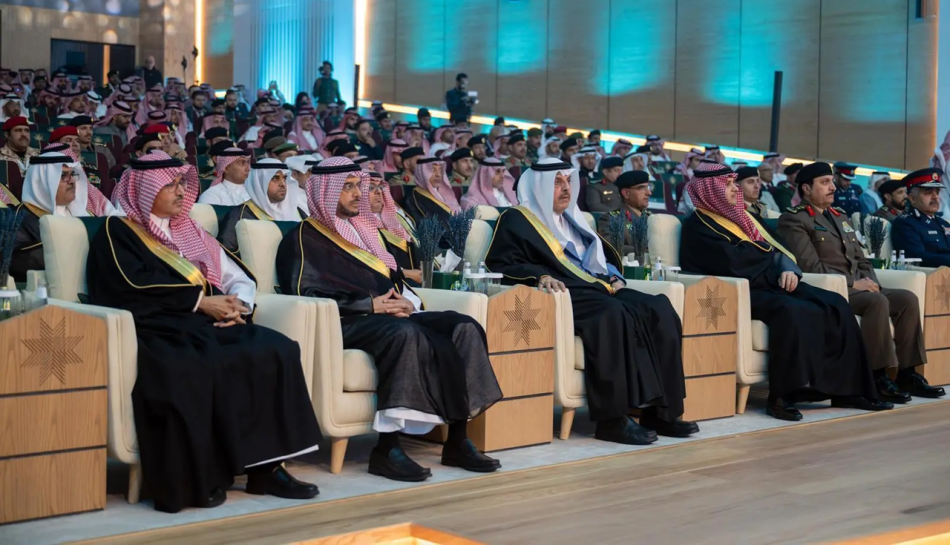
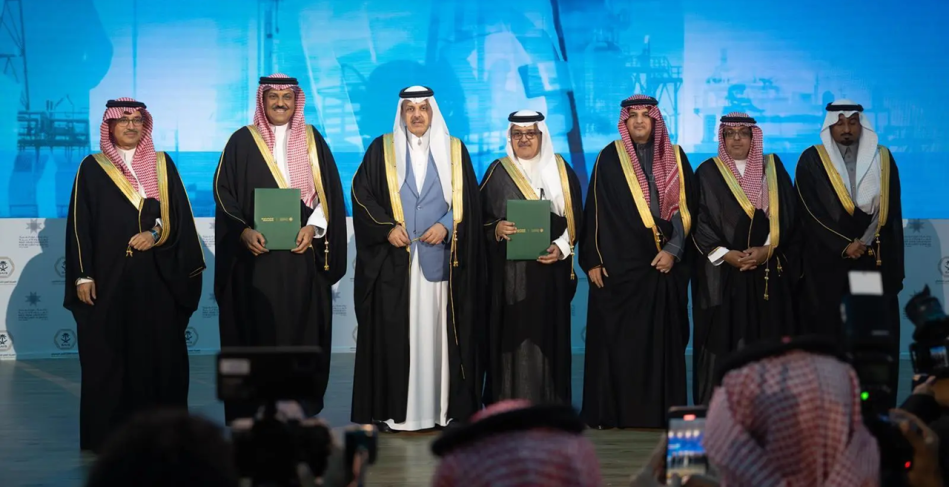
Under the patronage of His Royal Highness Prince Abdulaziz bin Saud bin Naif bin Abdulaziz, Minister of Interior, and in the presence of His Highness Prince Dr. Abdulaziz bin Mohammed bin Ayyaf, Acting Deputy Minister of Interior, the Third International Scientific Forum for Security and Safety commenced today at Naif Arab University for Security Sciences (NAUSS) in Riyadh.
The two-day forum is organized by NAUSS in collaboration with the High Commission for Industrial Security (HCIS), with the participation of more than 500 experts, specialists, and practitioners from Arab countries and international organizations.
Al-Bunyan: A Leading Regional Platform for Building Security Capabilities
In his opening remarks, President of NAUSS Dr. Abdulmajeed Al-Bunyan emphasized that the forum has become one of the most prominent scientific events of its kind in the region.
He added that it aligns with shared priorities to build human capabilities capable of addressing accelerating global security and safety challenges, especially amid rapid technological and digital transformations and increasing threats to critical infrastructure.
He noted that NAUSS, as the scientific arm of the Arab Interior Ministers Council, plays a vital role in advancing concepts of security and safety through its research centers, academic and training programs, and international partnerships.
Al-Zahrani: Leadership Support Strengthens Vision 2030 Security Objectives
For his part, Governor of the High Commission for Industrial Security Eng. Aali Al-Zahrani affirmed that the patronage of the Minister of Interior reflects the leadership's commitment to empowering and supporting the security and safety ecosystem.
He stressed that this support aligns with Saudi Vision 2030, which places security, safety, and risk prevention as key pillars of a thriving economy, a sustainable industrial sector, and an attractive investment environment.
He added that the recent adoption of the HCIS Strategy marks a historic milestone in protecting critical and sensitive facilities under the Commission’s mandate, reinforcing national growth and innovation in industrial security.
Al-Zahrani noted that the forum has firmly established itself—through its previous editions—as a leading international scientific platform that enriches discussions and exchanges best practices in this vital sector.
High-Level Strategic Dialogue
The opening session featured a high-level panel discussion titled:
“Security and Safety: Strategic Visions and Partnerships to Address Challenges”,
with the participation of:
Dr. Abdulmajeed Al-Bunyan
Eng. Aali Al-Zahrani
Major General Dr. Sheikh Hamad bin Mohammed Al Khalifa – Bahrain
Ambassador Thomas Guerreminger – Geneva Centre for Security Policy
Scientific Papers Address Critical Issues
The first session, “Preventive Mechanisms and Proactive Planning to Reduce Risks,” discussed key topics, including:
Protection of critical infrastructure
Terrorism-related threats and challenges
UN frameworks for safeguarding vulnerable targets
Presented by Olga Lanchinko from the UN Global Programme on Countering Terrorist Threats.
The second session focused on:
“Crisis and Emergency Management: Response and Recovery Strategies,”
featuring a paper titled:
“Risk-Based Emergency Management for Historically Impacted Environmental Sites”
presented by Chiasnavicius Julius from the All-Russian Research Institute for Civil Defense and Emergency Situations.
Day Two: Technology, Cybersecurity, and Major Event Safety
The forum’s second day will address:
Emerging technologies and digital transformation in security and safety
Cybersecurity threat prevention for industrial facilities
Assessing risks to oil and gas installations and implementing preventive measures
Safety and security of major events and mass gatherings
It will also discuss the “Operational Guide for Crowd Management in Major Sporting Events”.
Sessions will include side workshops and interactive engagements among participants on the forum’s themes.
Forum Objectives
The forum aims to:
Promote a culture of security and safety at institutional and societal levels
Analyze risks and potential threats to critical and sensitive facilities
Enhance preventive and proactive intervention mechanisms
Review the latest global developments and technologies in safety and security
Strengthen collaboration and build strategic partnerships locally and internationally