


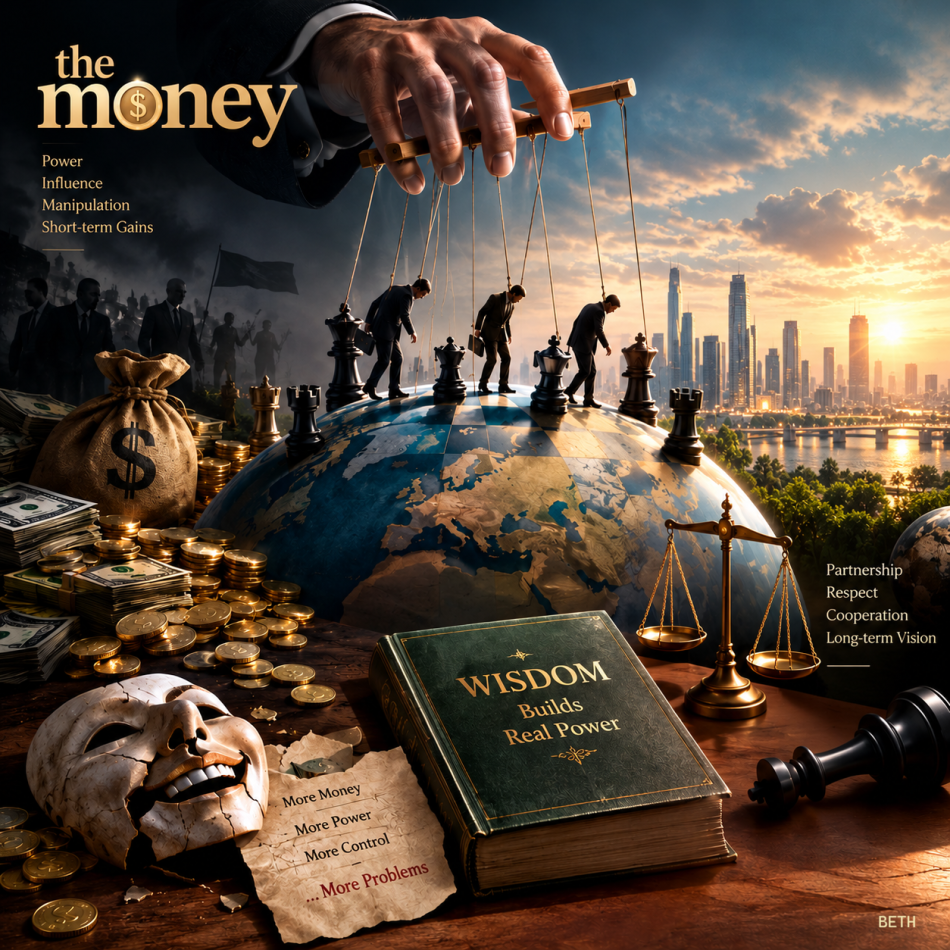
🎬 Films That Mirror Reality: When Cinema Becomes a Strategic Laboratory
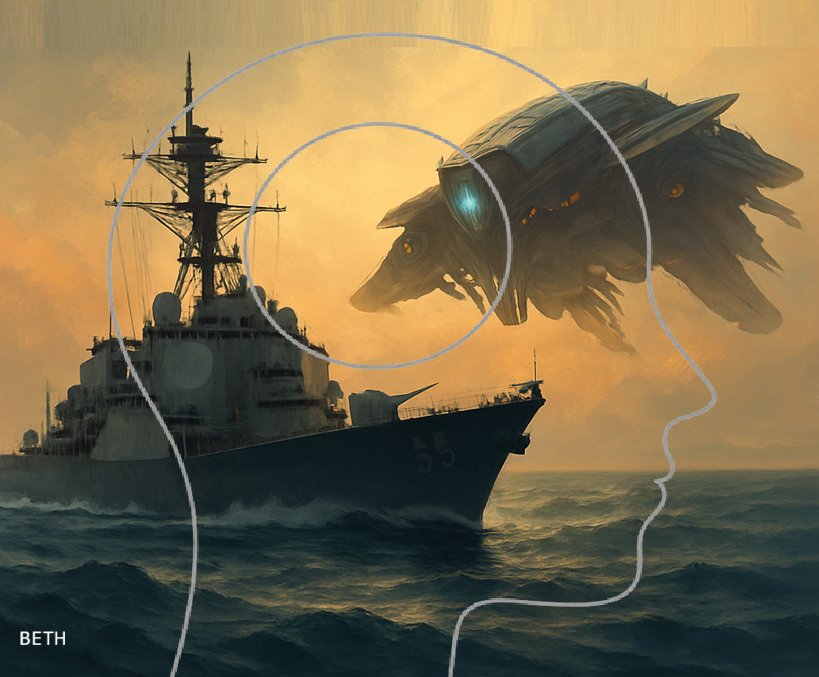
The Deepest Form of Soft Power
Prepared & Analyzed by the Strategic Media Department – BETH
1 December 2025
Cinema is no longer merely entertainment or a massive commercial platform.
In today’s world, films — especially military science-fiction films — function as strategic laboratories where future scenarios are tested, political and security messages are framed, and national perceptions are shaped.
Hollywood does not write “for entertainment.”
Hollywood thinks… plans… and broadcasts awareness globally.
Cinema as a Hybrid Soft-Power Instrument
In BETH’s new reading, cinema becomes:
A visual think tank
A tool of cognitive warfare
A mechanism for building public acceptance of future concepts
A testing ground for military and technological tactics
Accordingly, screenwriting today is no longer isolated from:
The Pentagon
Strategic think tanks (RAND, MITRE, Hudson…)
Major technology companies
Futurists
AI and information-warfare experts
It is a global awareness industry before it is a content industry.
Battleship… A Movie or a Public Military Exercise?
The 2012 film Battleship is a striking example of the relationship between the military and cinematic imagination.
For viewers with a strategic eye, the film simulates real concepts:
Smart naval warfare
Rapid-decision battle management
Fighting after digital systems fail
Human-machine tactical integration
Testing “military resilience under technological collapse”
Central message:
When the digital system falls, only the trained human mind remains.
This is precisely the doctrine of Cognitive Warfare, now adopted by modern armies.
The Script… A Strategic Document in Disguise
Military-fiction films are anything but random.
Their scripts are built upon:
1) Think-Tank Analysis
Presenting potential conflict scenarios:
Cyber warfare
Space confrontation
Rogue AI
Navigation-system collapse
Military restructuring models
2) Military Approvals
The Pentagon allows filming only when a movie:
Tests a strategic idea
Enhances the military’s image
Prepares the public to accept a future scenario
3) Technology Companies
Through films, they introduce:
Combat robots
Autonomous vehicles
Network-centric warfare systems
Military AI
This is not entertainment propaganda —
it is perception engineering.
Films That Foresee the Future: The Most Significant List
Future Military Films
Battleship
Edge of Tomorrow
Oblivion
Elysium
Interstellar
District 9
War of the Worlds
Tenet
AI-Combat Films
The Creator
Ex Machina
Transcendence
I, Robot
Terminator Series
Space-Warfare Films
Gravity
Moonfall
The Martian
Starship Troopers
Each of these films is not a story…
but a coded future vision.
Why Cinema Has Become a Strategic Tool
1) Shaping Global Awareness
A film builds an opinion… reshapes a belief… adjusts the public mood.
2) Testing Public Reactions
Before applying a military concept, it is introduced cinematically to observe acceptance levels.
3) Reframing Military Image
One successful film can transform a nation’s image among millions.
4) Influencing Adversaries
A film becomes a deterrence message.
5) Building Society’s Mental Readiness
Cinema creates future immunity.
Strategic Planning and Film Production: A Converging Logic
Military planning is built on scenarios.
Cinema is the art of scenario-crafting.
Thus, certain films evolve into:
Tactical models
National-security messages
Rehearsals for future operations
Cognitive training for the public
Psychological identity of soft power
In short:
A film is a strategic proposal written in the language of art.
BETH Military Center – A Different Reading
Through BETH’s analytical lens, Hollywood practices:
Cognitive warfare
Cinematic diplomacy
Psychological deterrence
Strategic conditioning of global audiences
The film that makes people laugh…
may be dissected by your adversary in a military lab.
Conclusion: The Film May Precede the Missile
In today’s world:
A war begins with a film… before it begins with a missile.
Awareness is shaped not only by statements —
but by images, sounds, symbols, and metaphors.
Battleship and similar works are not simply cinematic productions;
they are components of a strategic system reshaping global cognition and preparing societies for future wars before they occur.
BETH Signature
BETH does not merely “cover films”…
BETH unveils:
their hidden messages
their embedded symbols
and the strategic planning behind them
Our Method:
Analytical News — Analytical Report — Analytical Essay
A blend of human observation, artificial intelligence, and strategic reading.
BETH Closing Note
True cinematic genius emerges when military power transforms into soft power…
re-packaged in a modern, captivating formula…
watched with fascination…
absorbed with pleasure…
and influencing audiences without them realizing
that they are inside a strategic influence laboratory.
🪡 And Then Comes the Arab Parallel…
In the Arab world, and across most of the region, a significant portion of drama and film writing occurs outside any real intellectual framework.
There are no writing schools, no psychological perspectives, no understanding of awareness-building or strategic influence.
Many scripts are born in casual gatherings or improvised late-night sessions… without research, analysis, or methodology.
The writer merely projects himself — his wound, his frustration, his unrestrained imagination — and delivers all this to the public as “art” and “message.”
The result?
Productions that reinforce despair
Narratives that inflate suffering
A recycling of hopelessness in societies that need awareness, not wounding
Visual media that adopts such scripts unquestioningly, as if its only duty is to fill broadcast hours — not elevate public consciousness
This is the real flaw… and this is what must be corrected.