


Day 215: The Squeeze on Iran Continues
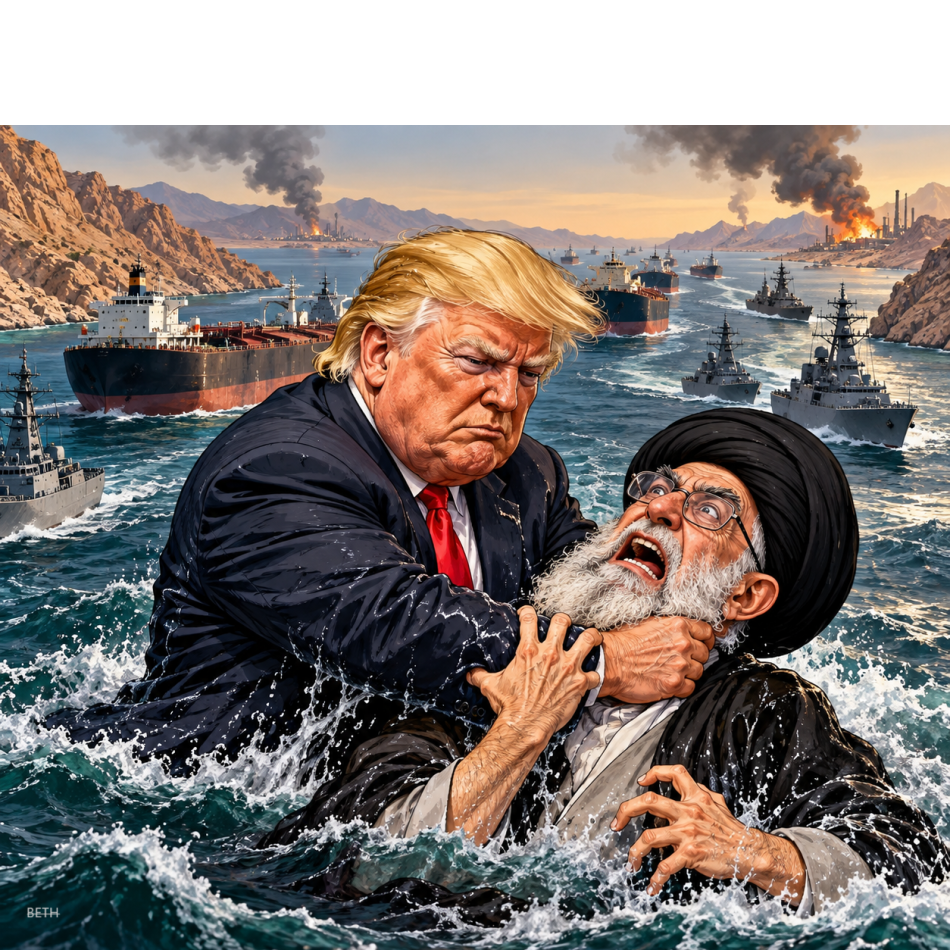
Trump maintains economic pressure on Iran and expects Tehran to back down; Gulf exports recover a large share of their flows, while Yemeni government forces regain positions around Bab al-Mandab and the Houthi front broadens
October 6, 2026
Prepared and Analyzed by | Strategic Media Department – BETH
The U.S.-Iran war entered its 215th day with direct strikes on Iran subsiding, while the indirect economic and military confrontation continues to expand from the Strait of Hormuz to Bab al-Mandab.
U.S. President Donald Trump renewed his strategy of economically exhausting Tehran, saying he had offered no concessions to end the war and reiterating his belief that Iran would eventually back down. Washington, meanwhile, continues to restrict Iranian ports and exports while maintaining a substantial military presence in the region.
In Tehran, Foreign Minister Abbas Araghchi said the war has no military solution, warning of retaliation if U.S. attacks resume. Domestically, the effects of the economic squeeze are growing: the oil minister has resigned, Iranian oil exports remain nearly halted, and the currency has weakened.
Controversy has also intensified over Araghchi’s diplomatic moves after figures within Iran’s conservative camp accused him of conducting recent negotiations in New York contrary to the Supreme Leader’s directives. Mashhad Friday prayer leader Ahmad Alamolhoda said the negotiations had taken place against those instructions, reflecting widening disagreement within Iran’s political establishment over negotiations with Washington.
Oil Minister Mohsen Paknejad also resigned. The presidency said the resignation was for personal reasons and that he had requested to step down some time ago. His departure nevertheless comes amid a severe economic crisis and a sharp decline in oil revenues caused by restrictions and export difficulties. It has also coincided with domestic controversy over the management of oil revenues and a parliamentary inquiry into funds owed to the National Iranian Oil Company.
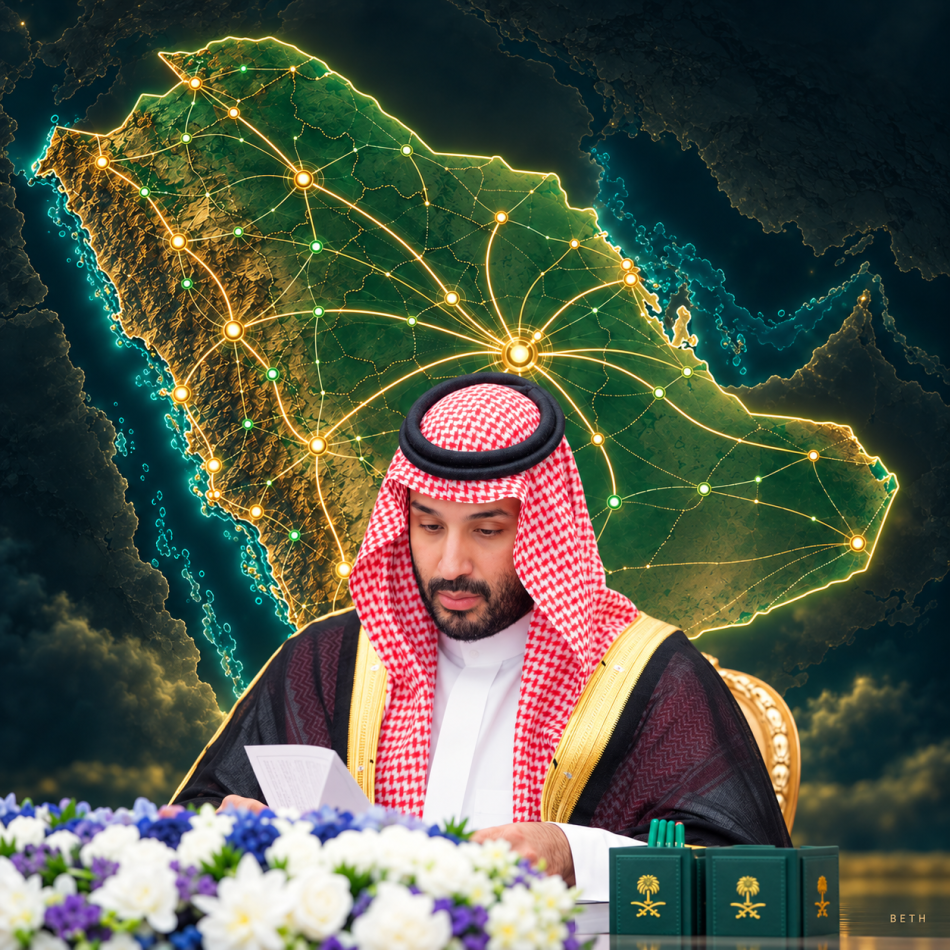
Hormuz and the Gulf: Gulf states have recovered most of their pre-war export levels, while alternative routes have reduced the impact of disruptions in the Strait of Hormuz. Saudi Arabia has increased reliance on the East-West pipeline toward Yanbu, which carries around four million barrels per day. Continued attacks on vessels, however, keep maritime risks elevated.
Bab al-Mandab and Yemen: Yemeni government forces have regained coastal areas and approaches to the strait extending toward Mokha with Saudi air support, reducing recent Houthi gains.
Iraq and Lebanon: The end of the U.S. military presence in Iraq gives Iran-aligned factions greater room to maneuver, while the Hezbollah-Israel front remains open and vulnerable to renewed escalation if the broader U.S.-Iran confrontation intensifies again.
BETH Analysis
The war is not yet moving toward an end, but its geography is changing: Hormuz is losing some of its ability to constrain Gulf exports, while Bab al-Mandab is becoming the more active front.
Outlook: Washington is likely to continue relying on economic restrictions rather than quickly returning to major strikes. Iran will continue presenting Hormuz as a negotiating card, while Yemen remains the arena with the greatest potential for escalation in the coming days as government forces seek to extend their control across Yemeni territory.
Evening Updates
The Blockade Tightens.. Hormuz Remains Unresolved
The United States continued to tighten maritime and economic pressure on Iran, expanding measures to reroute commercial vessels linked to Iranian ports, while the Strait of Hormuz remained affected by mutual threats and continued instability in shipping traffic.
At the same time, U.S. President Donald Trump kept the door open to direct negotiations with Tehran, signaling that the political track remains active alongside the blockade and military operations.
Saudi Arabia, meanwhile, continued to strengthen alternatives to Hormuz through the East-West Pipeline to Yanbu, helping reduce the impact of disruptions in the strait and providing a more secure route for energy exports.
Bottom line: the blockade is tightening, but Hormuz remains an unresolved card, while negotiations continue in the background of the military confrontation.