



Aramco Expands Export Alternatives
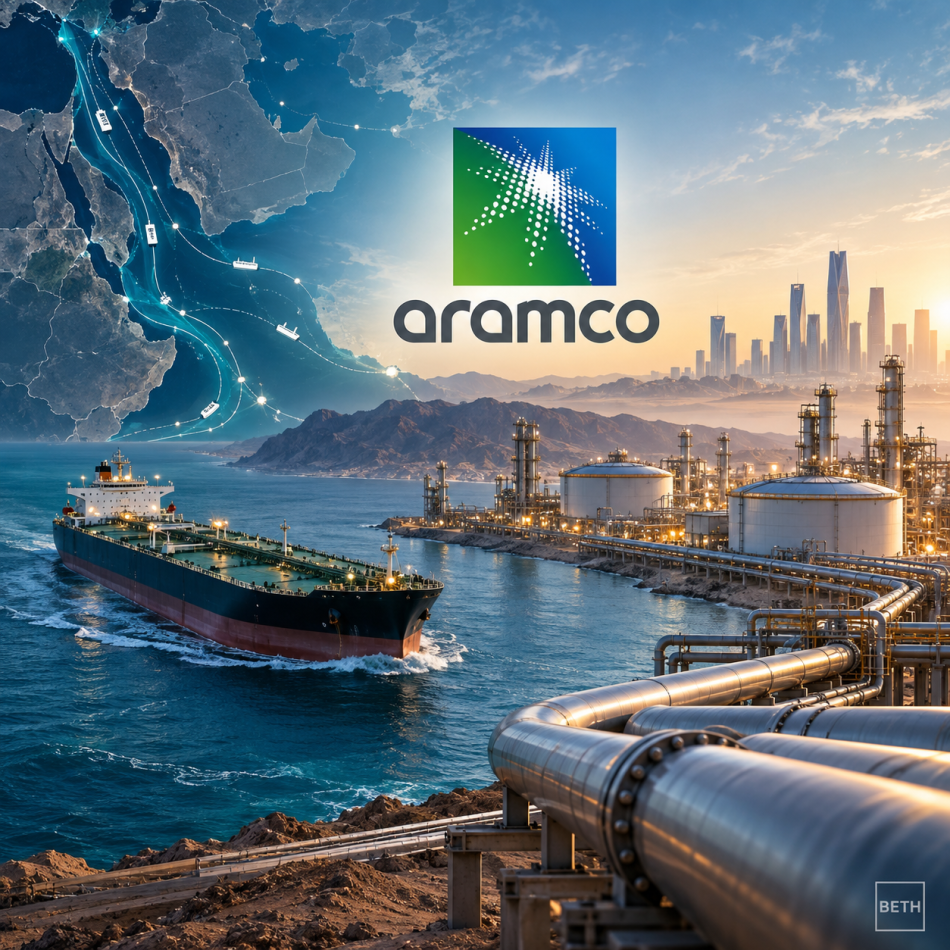
Maximum sustainable production capacity approaches 12 million barrels per day; the East-West pipeline operates at 7 million barrels, while Aramco studies additional routes and overseas storage as global inventories decline
Riyadh | BETH
Saudi Arabia is raising its readiness to maintain oil flows to global markets, supported by a maximum sustainable production capacity of nearly 12 million barrels per day and an expanding network of alternative export routes designed to reduce dependence on sensitive maritime chokepoints.
Aramco is strengthening the use of the East-West pipeline to the Red Sea, which has a maximum capacity of around 7 million barrels per day, while the company is also studying additional export routes and increased overseas storage capacity to enhance supply flexibility if disruptions in the Strait of Hormuz persist.
Aramco President and CEO Amin Nasser said global oil and fuel inventories have fallen to low levels, and that rebuilding them could require around 2 million additional barrels per day for up to 18 months.
These figures give Saudi Arabia weight that goes beyond production volumes alone. The question is no longer simply how much oil can be produced, but how reliably it can reach markets during periods of disruption.
The Saudi moves come as shipping and insurance costs rise and risks around maritime routes increase, making resilient energy infrastructure a central element of global supply security.
BETH Analysis:
Saudi Arabia’s strength in the oil market does not stop at production capacity. It also lies in the ability to keep exports flowing when traditional routes are disrupted.
This turns spare capacity, Red Sea export routes and overseas storage from operational tools into a strategic advantage in a market searching for a reliable supplier before it searches for a larger one.