



Saudi Arabia Monitors the Hajj Environment Using Satellites and Artificial Intelligence
Mina | B | بث
May 29, 2026
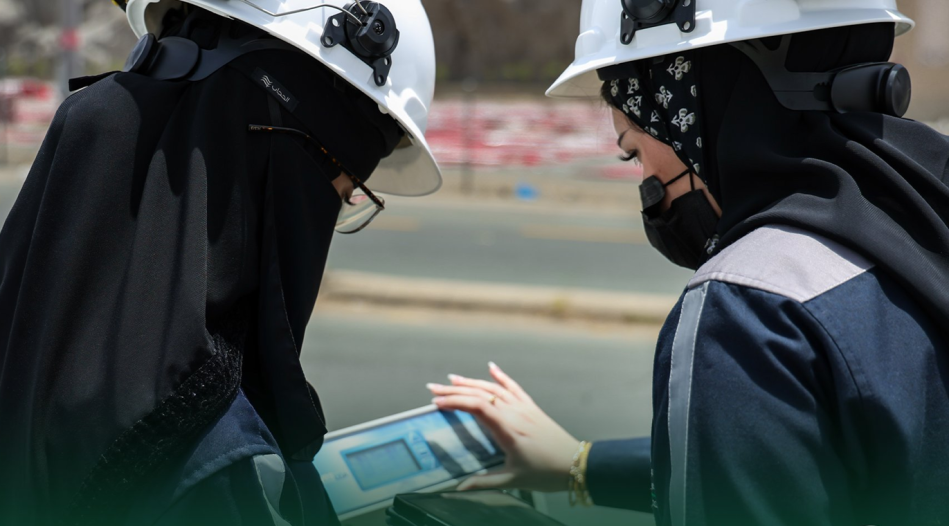
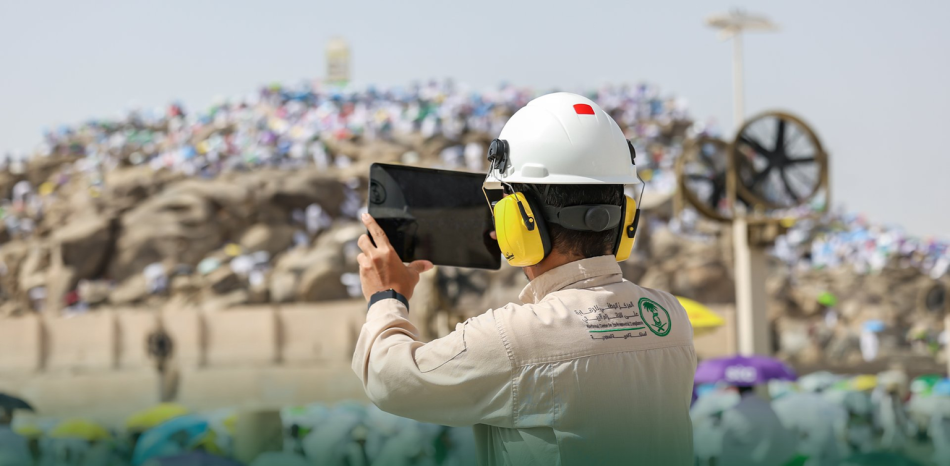
Saudi Arabia’s National Center for Environmental Compliance Monitoring has strengthened its environmental surveillance system during the 1447H Hajj season by utilizing satellite imagery and artificial intelligence technologies across Makkah and the holy sites, in a move that has enhanced field monitoring efficiency and accelerated responses to potential environmental violations.
For the first time, daily satellite images have been integrated with AI-powered analysis and modeling systems, enabling continuous monitoring of environmental changes and daily comparisons with baseline data to detect early indicators of activities that could impact the environment.
The center stated that more than 50% of environmental reports received during the season originated from the satellite monitoring system, through the analysis of 176 satellite images covering 31 locations where potential environmental concerns were identified. This has significantly reduced the time between detecting an issue and addressing it in the field.
The advanced technologies have also expanded geographic coverage, allowing authorities to monitor valleys and mountain passes, track the movement of solid and liquid waste transport vehicles, and verify proper disposal at designated sites, thereby strengthening environmental compliance and preserving environmental quality throughout the holy sites.
B Analysis
The transformation taking place in Hajj management is no longer limited to crowd control and logistical services. It now extends to environmental management itself through space-based tools and artificial intelligence operating in a proactive manner.
What this initiative demonstrates is the shift from traditional environmental monitoring toward a model driven by real-time data and predictive analysis, enabling authorities to address issues before they emerge or escalate.
In a broader context, this step reflects one of the quiet transformations taking place in Saudi Arabia. Artificial intelligence is no longer merely a supporting technology; it has become an integral part of the operational infrastructure used in decision-making and large-scale service management.