



Day 80: On the Edge of the Abyss
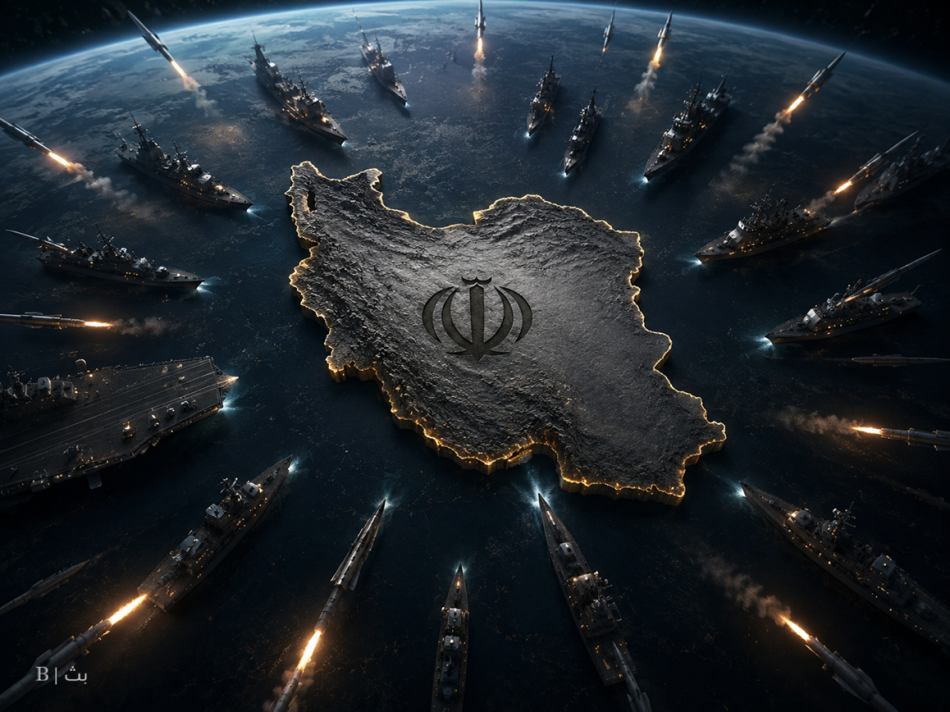
Follow-up & Analysis | B | B
The U.S.–Iran escalation enters its 80th day amid a scene that appears closer to cautious waiting than decisive resolution.
President Donald Trump’s latest remarks came shortly after midnight last night, when a reporter asked him about the situation, and he replied briefly:
“The situation is on the edge of the abyss.”
Unlike yesterday, when American silence prevailed except for late statements amid continuous Iranian rhetoric, the roles today — at least so far (midday) — appear to have reversed
Despite the weight of the statement, no major shift has occurred so far, except for reports indicating that a new American proposal was presented to Tehran, while Iran confirmed it is “studying” the offer.
Meanwhile, Pakistan continues its efforts to bring the two sides closer together, as Pakistan’s Army Chief Asim Munir arrived in Tehran on Thursday, amid growing talk of a possible temporary agreement between Washington and Tehran.
But the most important question remains:
What would this temporary agreement actually look like?
Would it give Washington more time to reposition itself and tighten pressure?
Or would it give Tehran an opportunity to regain its breath and reorganize its capabilities?
Or is it the beginning of an actual path toward ending the war?
On the other side, Israeli concerns continue to grow over the possibility of a U.S.–Iran deal, especially after an Israeli security official stated that:
“the war with Iran is long-term,”
predicting repeated rounds of fighting in the future.
B Reading
The current scene does not suggest that the parties have reached a final settlement, nor a decision for full-scale war.
Instead, it appears closer to a phase of:
mutual time-buying.
Washington wants to maintain pressure while avoiding a direct open confrontation at this stage.
Tehran, meanwhile, is trying to prevent collapse, gain time, and demonstrate its ability to negotiate from a position of resilience.
Israel, however, appears to be the most concerned about:
an inconclusive agreement
that keeps Iran present, even in a weakened form.
For this reason, the region today appears to stand neither before the end of the war, nor before a full explosion of conflict; but rather before a gray phase standing truly:
on the edge of the abyss.
Trump: The End Is Near
U.S. President Donald Trump stated in evening remarks that negotiations with Iran are still ongoing, stressing that Washington “will not allow Iran to possess a nuclear weapon under any agreement.”
Trump added that the United States “controls the Strait of Hormuz,” confirming that the U.S. Navy is “enforcing the blockade strongly,” and that Washington wants “the Strait open without fees or restrictions.”
He also threatened to destroy Iran’s uranium stockpile, considering that the conflict with Tehran “will end very soon.”
B Analysis
The statements reflect the continued American approach of combining:
military pressure,
political negotiation,
and psychological warfare.
They also reveal an attempt by Washington to reinforce the image of:
control over strategic maritime routes,
and preventing Iran from turning Hormuz into a long-term pressure card.
At the same time, Trump’s talk about:
“a very near end,”
suggests that Washington is seeking either a rapid agreement under strict conditions, or the imposition of a new reality before any broader regional escalation.