



Hajj 1447 AH.. An Integrated Government Readiness
Riyadh | B | BETH
May 13, 2026
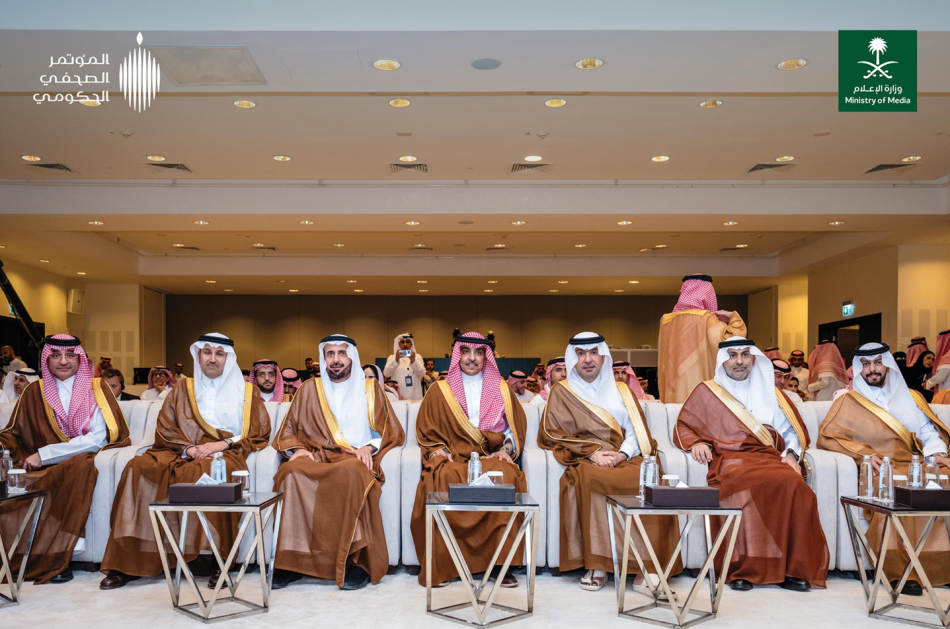
Saudi Arabia’s government press conference today highlighted extensive preparations for the 1447 AH Hajj season, with participation from the ministers of Hajj and Umrah, Media, Health, Municipalities and Housing, and Transport and Logistics, reaffirming the Kingdom’s full readiness to serve pilgrims.
Minister of Hajj and Umrah Dr. Tawfiq Al-Rabiah drew the most attention after revealing that more than 860,000 pilgrims have already arrived in the Kingdom, including over 820,000 by air and more than 240,000 through the “Makkah Route” initiative.
Al-Rabiah stated that the time required to complete pilgrim procedures has been reduced from 120 minutes to just 15 minutes, through an operational system involving more than 60 government and operational entities working under over 600 integrated action plans.
He also noted that the “Nusuk” application has surpassed 51 million users worldwide and now offers more than 130 digital services during this year’s Hajj season.
In addition, he revealed that over 100 development initiatives have been implemented in recent years, including:
- Planting more than 60,000 trees under the “Green Holy Sites” initiative.
- Operating over 6,000 cooling mist columns.
- Completing more than 25 development projects in Makkah and the holy sites.
- Expanding Mina’s accommodation capacity through the Kadana Al-Khaif camps over an area of 24,000 square meters.
Transport and Logistics Minister Eng. Saleh Al-Jasser reviewed pilgrim transportation and crowd movement plans, focusing on enhancing the efficiency of the Mashair Train and improving logistical flow between the holy sites.
Health Minister Fahad Al-Jalajel outlined the readiness of the healthcare system, emphasizing expanded hospital capacity, rapid response plans, and the use of digital solutions and artificial intelligence to monitor pilgrims’ health conditions.
Meanwhile, Minister of Municipalities and Housing Majed Al-Hogail discussed infrastructure readiness, municipal services, seasonal housing, sanitation, and environmental preparations across the holy sites.
On the media front, Minister of Media Salman Al-Dossary stated that this year’s Hajj coverage includes participation from more than 3,000 journalists and 150 local and international media organizations, reflecting the global significance of Hajj and the scale of Saudi Arabia’s operational efforts.
B Analysis
Today’s presentation reflected more than preparations for a traditional Hajj season.
It demonstrated how Hajj has evolved into a globally managed operational ecosystem driven by digital intelligence, data, and institutional integration.
What stood out most was that the language of “service” is no longer conventional.
Instead, the operation resembles the management of a temporary global city hosting millions of people within a limited timeframe.
A highly complex system involving:
healthcare,
transportation,
technology,
housing,
media,
security,
and crowd management.
The figures presented — particularly reducing procedures from two hours to just 15 minutes — highlight the scale of transformation Saudi Arabia is driving in the Hajj experience, not only spiritually, but operationally, technologically, and humanly as well.