


Decisive Phase: Vision 2030 Enters Peak Execution
Riyadh | B | بث
10 Dhu al-Qi’dah 1447H | 27 April 2026
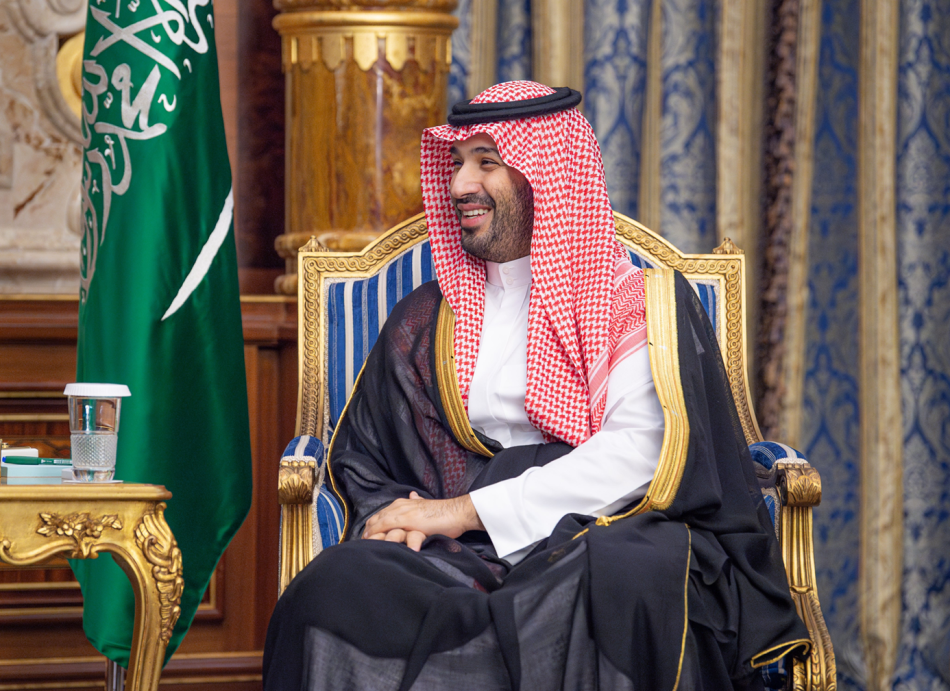
His Royal Highness Prince Mohammed bin Salman, Crown Prince and Prime Minister, affirmed that Saudi Vision 2030 has entered its third and final phase, marking a qualitative shift from building foundations to accelerating execution, with a focus on sustainability of impact and maximizing developmental returns, amid a strong momentum of achievements realized خلال the first two phases.
Overview
The Crown Prince confirmed that Vision 2030 has driven a comprehensive transformation across the economy, services, infrastructure, and social life, and that it begins in 2026 its third phase extending to 2030, while maintaining long-term objectives and adapting execution tools to the requirements of the stage, enhancing sustainable progress and positioning the Kingdom among the world’s leading nations.
He stressed that the most important investment of the Vision has always been—and continues to be—the Saudi people, through developing capabilities, enhancing performance, and strengthening their global competitiveness, directing government entities to continue efforts, anticipate opportunities, and maximize their impact on the economy and society.
He noted that the third phase represents the peak of execution, with accelerated delivery, an enhanced role for the Public Investment Fund and the National Development Fund, expanded private sector participation, increased local content, alongside continued development of infrastructure and improvement of service quality.
The Council explained that the new phase will witness the launch of sectoral and regional strategies that reinforce sustainability beyond 2030, emphasizing that this year does not mark the end of the development journey, but rather a foundation for a longer trajectory.
It highlighted that 93% of performance indicators have achieved or nearly achieved their targets, and that 90% of initiatives are on track, following the implementation of more than 1,000 reforms and 1,200 structural measures that enabled economic growth, attracted investment, and improved quality of life.
Under the “Vibrant Society” pillar, the rate of physical activity reached 59.1%, life expectancy rose to 79.7 years, home ownership increased to 66.24%, and healthcare coverage expanded to 97.5% of population clusters.
In education, the number of Saudi students in the world’s top 200 universities has doubled, with 22 Saudi universities entering the QS global rankings, and three universities ranking among the world’s top 200.
Under the “Thriving Economy” pillar, GDP reached SAR 4.9 trillion, with non-oil activities contributing 55%, while the Kingdom advanced to 17th globally in competitiveness, and the value of mineral resources rose to SAR 9.4 trillion.
Non-oil exports increased to SAR 623 billion, the number of factories rose to 12.9 thousand, and the Kingdom transformed into a logistics hub through the development of ports, airports, and logistics centers.
In tourism, visitor numbers exceeded 123 million, with total spending surpassing SAR 300 billion, and a new target set at 150 million visitors by 2030.
Assets under management of the Public Investment Fund exceeded SAR 3.4 trillion, supporting 10 key sectors and major projects such as NEOM, the Red Sea, Qiddiya, and Diriyah.
Under the “Ambitious Nation” pillar, the Kingdom ranked 6th globally in e-government and 1st in cybersecurity, while strengthening its position as a global hub for events and investment.
Small and medium enterprises exceeded 1.7 million, unemployment dropped to 7.2%, and female participation in the workforce rose to 35%.
The Council affirmed that Vision 2030 will continue building on these achievements, focusing on sustainability, maximizing impact, and extending the development journey beyond 2030.
B Analysis
This announcement should not be read as a routine update;
but as a strategic transition point.
The distinction between the three phases is clear:
Phase One: Foundation
Phase Two: Acceleration
Phase Three: Impact Maximization
The Kingdom is no longer just building;
it is testing the efficiency of what has been built.
The most significant shift:
Moving from “achieving targets”
to “measuring the quality and sustainability of impact.”
Here, the real transformation emerges:
The economy is no longer driven primarily by oil
Investment is no longer a goal; but a result of a system
Projects are no longer isolated achievements; but an integrated network
Most importantly:
The citizen is no longer just a beneficiary of development;
but its primary engine of production.
B Conclusion
Vision 2030 has entered the phase where outcomes are decided.
What was built over 10 years
is now being tested over 5.
The question is no longer:
Will the Vision succeed?
But:
To what level will it rise?