



Thumamah–Othman Bin Affan Intersection Development in Riyadh
Vision Projects Continue
Riyadh | B
27 Shawwal 1447 AH | 15 April 2026
Introduction
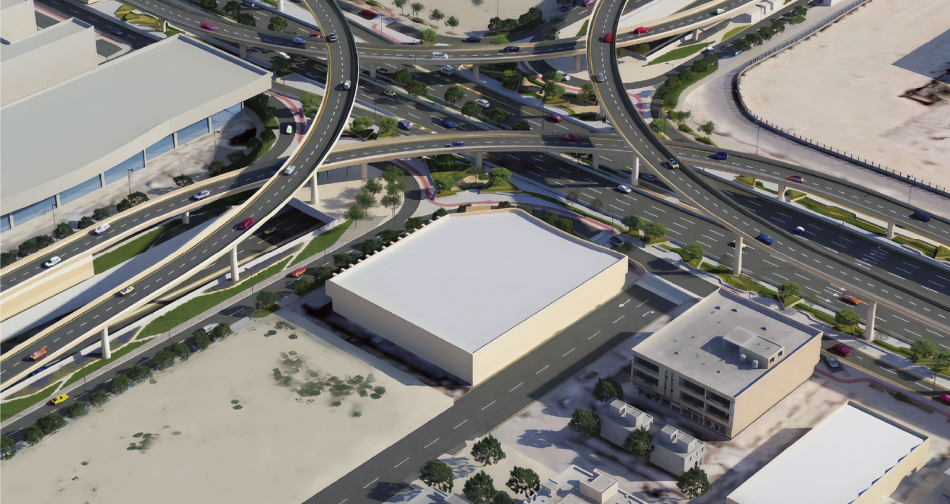
In a renewed affirmation of the continued implementation of Saudi Vision 2030 projects, the Royal Commission for Riyadh City has begun executing the development project of the intersection between Thumamah Road and Othman Bin Affan Road. The initiative aims to enhance traffic efficiency in the northern part of the capital and improve the flow of movement across the city’s main road network.
This project comes as an extension of the directives issued in February 2020 by His Royal Highness Prince Mohammed bin Salman bin Abdulaziz Al Saud, Crown Prince and Prime Minister, and Chairman of the Board of the Royal Commission for Riyadh City, to develop the city’s ring and main road corridors. The initiative seeks to strengthen Riyadh’s position as a key hub for sustainable transportation and logistics services in the Middle East.
Overview
The project includes the construction of four bridges and a new tunnel with a length of up to 850 meters, as part of the development of the central section of the Thumamah Road corridor. These enhancements will increase the road’s capacity, reduce traffic congestion, and improve connectivity between urban neighborhoods.
Project Details
- Location: Intersection of Thumamah Road and Othman Bin Affan Road.
- Engineering Components:
- Construction of four bridges to enhance traffic flow.
- Construction of a tunnel measuring 850 meters in length.
- Objectives:
- Increase the road’s traffic capacity.
- Reduce traffic congestion.
- Improve connectivity between urban neighborhoods.
- Enhance traffic flow across the main road network.
The project forms part of the Royal Commission’s program to develop Riyadh’s ring and main road corridors, which includes the implementation and upgrading of approximately 400 kilometers of the road network through the addition of new roads and the enhancement and integration of existing corridors.
Key Components of the Program
First: Ring Roads
- Development of the First Ring Road with a total length of 80 kilometers to increase its capacity.
- Completion of the Second Ring Road with a length of 73 kilometers.
Second: Major Road Corridors
- Development of King Fahd Road (30 km).
- Upgrading King Abdulaziz Road (27 km).
- Development of Imam Saud bin Faisal Road (23 km).
- Upgrading Prince Turki bin Abdulaziz Al-Awwal Road and its southern extension (45 km).
- Development of the southern extension of Abu Bakr Al-Siddiq Road (17 km).
- Upgrading Othman Bin Affan Road (16 km).
The implementation of this program will connect various parts of the city through an integrated network of highways and arterial roads, accommodate transit traffic, increase average travel speeds, reduce journey times, and guide urban development in alignment with Riyadh’s future vision and strategic framework.
B Analysis
1. Continuity of Vision Projects
The commencement of this project reflects the Kingdom’s commitment to continuing Vision 2030 initiatives, confirming that the developmental transformation is progressing according to long-term strategic plans.
2. Infrastructure Supporting Urban Growth
The development of the road network contributes to accommodating Riyadh’s rapid population growth while enhancing mobility efficiency and overall quality of life.
3. Strengthening Riyadh’s Economic Position
Upgrading transportation infrastructure supports Riyadh’s transformation into a regional economic and logistics hub, increasing its attractiveness to investments and businesses.
4. Integration of Transport and Urban Development
The project reflects an integrated approach linking urban planning with transportation development, in line with the objectives of sustainable urban growth.
Conclusion
The development of the intersection between Thumamah Road and Othman Bin Affan Road represents a practical example of the continued implementation of Saudi Vision 2030 projects. It underscores the Royal Commission for Riyadh City’s commitment to developing advanced infrastructure that supports urban growth and enhances quality of life. As the program to develop Riyadh’s ring and main road corridors progresses, the city’s status as a leading global metropolis and a central hub for transportation and logistics in the region continues to be reinforced.