



Saudi Cabinet Approves Key Reforms and Global Partnerships
Jeddah | BETH
26 Shawwal 1447 AH | Corresponding to 14 April 2026
- Commendation of the Armed Forces’ Role and Rapid Restoration of Energy Production
- Approval of Amendments to the Anti-Money Laundering Law to Enhance Financial Transparency
- International Agreements in Civil Aviation, Data, and Counterterrorism
- Extension of the Historic Jeddah Project for Two Additional Years
- Launch of the “Shams” Satellite to Advance National Innovation
- Eight Saudi Cities Advance in the 2026 Smart Cities Index
- Support for the Hajj Season Through State Coverage of Customs Duties on Livestock
- Tourism Cooperation with Qatar and Economic Partnerships with Jordan and Hong Kong
- Empowerment of the Education and Health Sectors Through International Achievements at the Geneva International Exhibition of Inventions
- Political and Religious Memoranda of Understanding with Luxembourg and Tanzania
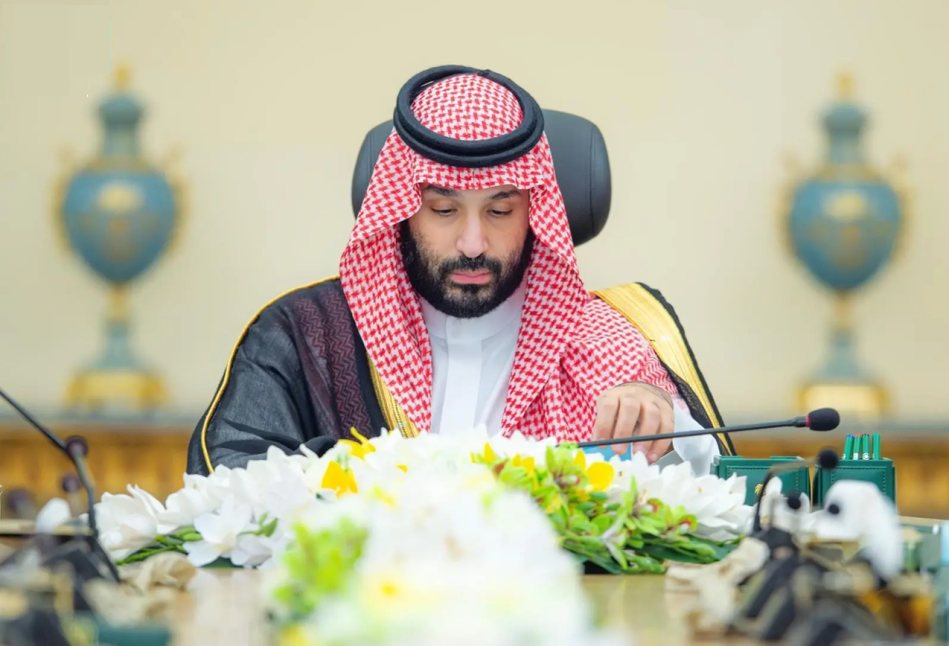
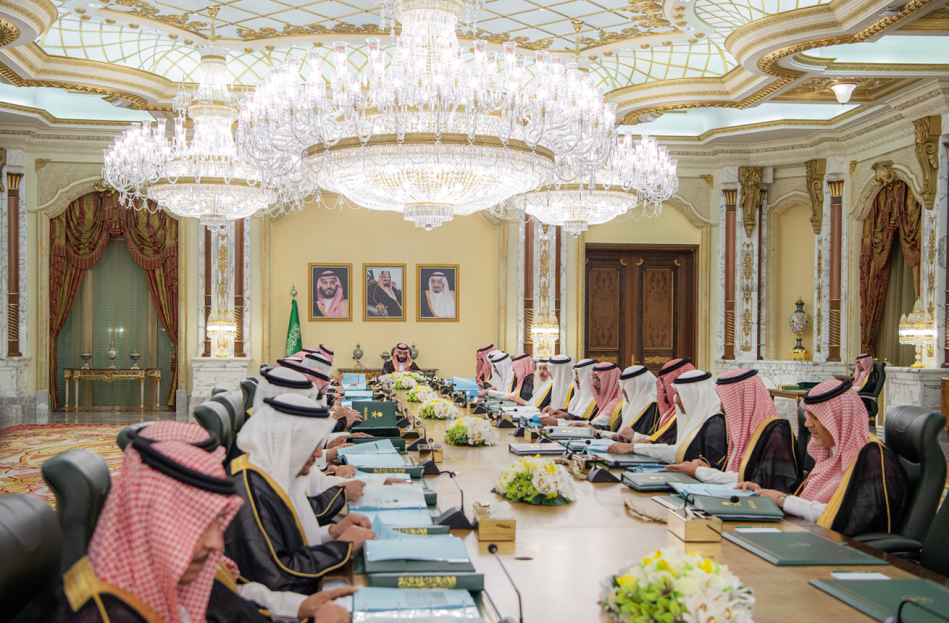
His Royal Highness Prince Mohammed bin Salman bin Abdulaziz Al Saud, Crown Prince and Prime Minister, chaired the session of the Council of Ministers held in Jeddah, during which the Council reviewed a number of topics and decisions reflecting the Kingdom’s direction toward strengthening national security, consolidating international partnerships, and supporting the path of comprehensive development.
At the outset of the session, the Council of Ministers commended the heroic role of the Armed Forces in defending the homeland and safeguarding its gains against Iranian attacks and their repercussions, affirming that the Kingdom will remain an oasis of security and stability and will continue to support regional and international stability.
The Council also praised the success of operational and technical efforts to restore production at several energy facilities affected by the attacks, reflecting the flexibility and efficiency of the Kingdom’s energy infrastructure and reinforcing the reliability of supplies to local and global markets.
The Council stressed its categorical rejection of violations of state sovereignty, renewing its condemnation in the strongest terms of the attacks targeting the Kingdom and the Gulf Cooperation Council (GCC) countries through drones launched from Iraqi territory, and emphasizing the importance of the Iraqi government addressing these threats responsibly.
On the developmental front, the Council reviewed several national achievements, most notably the success of the Hajj and Umrah Forum and the agreements and memoranda of understanding that resulted from it, which will contribute to developing the system for serving the Guests of الرحمن and enhancing integration among the entities operating in this sector.
The Council also noted the launch of the “Shams” satellite, developed and built by national hands, in a step that enhances scientific innovation and supports international partnerships in the space sector.
Furthermore, the Council praised the education and health sectors for winning several awards and medals at the 2026 Geneva International Exhibition of Inventions, reflecting the continued state support for empowering these vital sectors.
The Council affirmed that eight Saudi cities achieving advanced rankings in the 2026 Smart Cities Index, issued by the International Institute for Management Development (IMD), reflects the accelerating pace of development in services, infrastructure, and quality of life across the Kingdom.
In the environmental domain, the Council commended the progress made under the Saudi Green Initiative, which included the rehabilitation of the first one million hectares of degraded land and the planting of more than 159 million trees, as part of efforts to enhance environmental sustainability.
At the level of international partnerships, the Council approved a number of agreements and memoranda of understanding, including political consultations with the Grand Duchy of Luxembourg, cooperation in Islamic affairs with Tanzania, and cooperation in the exchange of information in the fields of infrastructure and construction with the Hong Kong Special Administrative Region. Additional memoranda of understanding were approved in the field of civil aviation with several countries, tourism cooperation with Qatar, collaboration between the Economic Cities and Special Zones Authority and the Ministry of Investment of the Hashemite Kingdom of Jordan, a cooperation agreement between the Saudi Data and Artificial Intelligence Authority (SDAIA) and the Islamic World Educational, Scientific and Cultural Organization (ICESCO), as well as a memorandum of understanding between the Presidency of State Security and the United Nations Counter-Terrorism Centre, and an agreement for the electronic exchange of customs data between Saudi Post and the United States Postal Service.
The Council also approved several regulatory and economic decisions, most notably the amendment of the Anti-Money Laundering Law, the approval of the Enforcement Law, and the extension of the Historic Jeddah Project for an additional two years. Furthermore, the state will bear customs duties and taxes on shipments of live livestock until the end of the Hajj season of 1447 AH, in addition to approving the final accounts of several government entities and a number of appointments and promotions to senior positions.
BETH Analysis | Strategic Reading
The outcomes of the Council of Ministers’ session reflect a comprehensive vision for governing the Saudi state, based on the integration of security, development, and international partnerships, as demonstrated by the diversity of decisions spanning sovereign, economic, and regulatory dimensions.
1. Consolidating Security and Stability
Commending the Armed Forces and condemning regional attacks underscore a clear message that protecting national sovereignty remains a top priority, while the Kingdom continues to play a pivotal role in promoting regional stability.
2. Strengthening Global Economic Confidence
The rapid restoration of energy production reaffirms the Kingdom’s reliability as a key global energy supplier and sends reassuring signals to international markets regarding the stability of supply.
3. Expanding International Partnerships
The diversity of agreements and memoranda of understanding reflects a strategic direction toward deepening Saudi Arabia’s presence in the global economy and enhancing cooperation in vital sectors such as civil aviation, tourism, artificial intelligence, and counterterrorism.
4. Accelerating National Transformation
Achievements in space, smart cities, environmental sustainability, education, and healthcare confirm that the objectives of Saudi Vision 2030 are progressing steadily toward building a diversified and sustainable economy.
5. Enhancing the Regulatory Environment
Amendments to the Anti-Money Laundering Law and the approval of the Enforcement Law strengthen the legislative framework and reinforce a more transparent and attractive investment environment.
Conclusion
The Council of Ministers’ session in Jeddah underscores that the Kingdom of Saudi Arabia is moving confidently toward the future, grounded in an integrated system that combines sovereign strength, economic resilience, international openness, and sustainable development, thereby reinforcing its position as an influential regional and global power.