



Regulatory Arrangements for Hajj 1447H: Entry Permits to Makkah, Deadlines for Umrah Pilgrims’ Departure, and Suspension of Umrah Permits
Riyadh | BETH
24 Shawwal 1447H | 12 April 2026
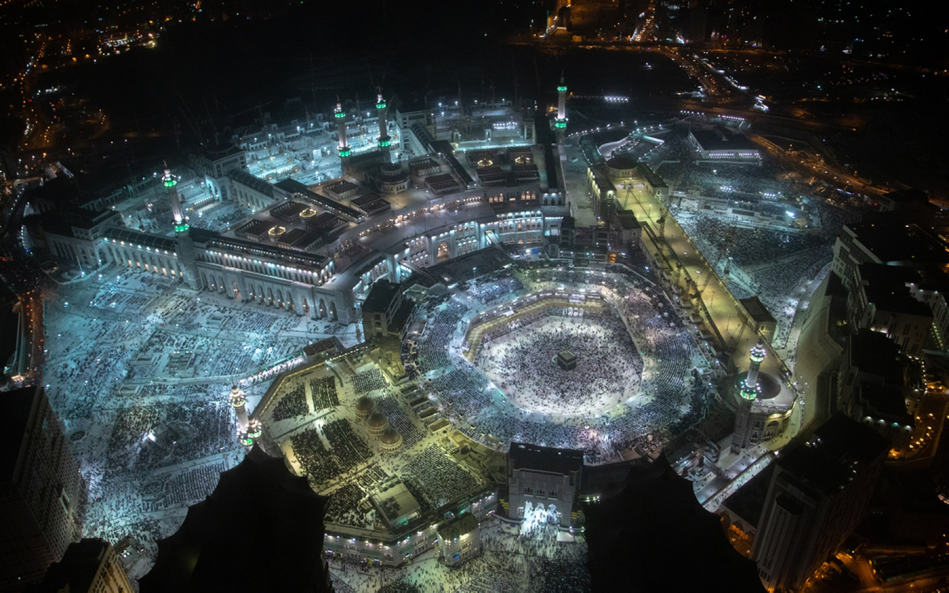
In preparation for the Hajj season of 1447H, the Ministry of Interior announced a set of regulatory arrangements and procedures aimed at ensuring the safety of the pilgrims of the Holy Mosque and enabling them to perform their rituals in security, ease, and tranquility. These measures come ضمن the Kingdom’s ongoing efforts to organize the Hajj season according to the highest standards of safety and efficiency.
Overview
First: Entry Permits to Makkah for Residents
Effective Monday, 25 Shawwal 1447H (13 April 2026), residents wishing to enter the Holy Capital (Makkah) are required to obtain official permits from the competent authorities. Entry will be denied to those who do not possess such permits.
The following categories are exempt:
- Holders of a resident ID issued in Makkah.
- Individuals with a Hajj permit.
- Individuals with a work permit for the Holy Sites, issued electronically through the Absher Individuals platform and the Muqeem Portal, in technical integration with the unified digital Hajj permit platform, “Tasreeh.”
Second: Deadline for Umrah Pilgrims’ Departure
The Ministry of Interior has set Saturday, 1 Dhul-Qa’dah 1447H (18 April 2026) as the final date for Umrah visa holders to depart the Kingdom, ensuring smooth organizational preparations for the Hajj season.
Third: Suspension of Umrah Permits
The issuance of Umrah permits through the “Nusuk” platform will be suspended for Saudi citizens, citizens of the Gulf Cooperation Council (GCC) countries, residents within the Kingdom, and holders of other types of visas during the period from:
- Saturday, 1 Dhul-Qa’dah 1447H (18 April 2026)
- Until Sunday, 14 Dhul-Hijjah 1447H (31 May 2026)
Fourth: Regulation of Entry to Makkah for Visa Holders
The Ministry announced that entry to or stay in the city of Makkah will not be permitted for holders of all types of visas, except those holding a Hajj visa, effective Saturday, 1 Dhul-Qa’dah 1447H (18 April 2026).
Public Security Confirmation
The Public Security authority confirmed the commencement of the implementation of these regulatory arrangements, emphasizing that residents without official entry permits will be prevented from entering the Holy Capital, with the following exceptions:
- Individuals holding work permits for the Holy Sites.
- Holders of a resident ID issued in Makkah.
- Individuals with a Hajj permit.
It also clarified that entry permits for residents working during the Hajj season are issued electronically through the Absher Individuals platform and the Muqeem Portal, in integration with the “Tasreeh” platform, reflecting the Kingdom’s digital transformation in managing and organizing the Hajj season.
Call for Compliance
The Ministry of Interior urged all individuals to adhere to the regulations governing this year’s Hajj season and to cooperate with the relevant authorities to ensure the safety and security of the pilgrims. It emphasized that violations of these instructions will result in legal penalties.
Passport Authority Preparations
As part of the ongoing preparations to organize the Hajj season of 1447H, the General Directorate of Passports announced the commencement of receiving applications for entry permits to Makkah electronically for resident workers during the Hajj season. This is being implemented through technical integration with the “Tasreeh” platform via the “Absher Individuals” platform and the Makkah Entry Permits portal on the “Muqeem” platform, without the need to visit passport office branches.
The Passports Directorate clarified that the “Absher Individuals” platform enables the issuance of permits for multiple categories, including citizens of the Gulf Cooperation Council (GCC) countries, holders of Premium Residency, investors, mothers of Saudi citizens, domestic workers, and non-Saudi family members, after uploading the required documents electronically.
It also indicated that the issuance of permits for workers in establishments headquartered in Makkah or for those who have employment contracts with such establishments during the Hajj season is carried out through the Makkah Entry Permits portal on the “Muqeem” platform, thereby enhancing procedural efficiency and contributing to the regulation of entry into the Holy Capital.
Makkah Entry Permits
The Public Security confirmed the commencement of implementing the regulatory arrangements and procedures for the Hajj season of 1447H, which require residents wishing to enter the city of Makkah to obtain an official permit from the competent authorities. This measure came into effect on Monday, 25 Shawwal 1447H, corresponding to April 13, 2026, with entry to the Holy Capital prohibited for those who do not possess the required permits.
Public Security emphasized that these arrangements will be applied to all residents who do not hold a permit to work in the Holy Sites issued by the competent authority, a residency ID issued in Makkah, or a valid Hajj permit. These measures are part of the ongoing efforts to organize the Hajj season and ensure the safety and security of the Guests of Allah.
It was further noted that entry permits to the Holy Capital for resident workers during the Hajj season are issued electronically through the “Absher Individuals” platform and the “Muqeem” portal, in technical integration with the unified digital platform for issuing Hajj permits, “Tasreeh”. This reflects the Kingdom’s advanced digital transformation and facilitates procedures without the need to visit the offices of the relevant authorities.
BETH Analysis
These measures reflect the high level of organizational readiness demonstrated by the Kingdom in managing the Hajj season and underscore the integration of efforts among security and service entities. They also highlight the effective utilization of digital transformation in streamlining procedures and enhancing operational efficiency.
This precise organization contributes to ensuring the safety and security of the Guests of Allah and reinforces the Kingdom’s position as a global model in crowd management and the organization of major religious events.
Furthermore, these steps reflect the Kingdom’s significant progress in digital transformation in managing the Hajj season, as automation and integration between government platforms facilitate procedures, improve organizational efficiency, and enhance the beneficiary experience, thereby supporting comprehensive efforts to ensure the safety and well-being of the pilgrims.