


Crown Prince’s Pledge of Allegiance… Nine Years of Saudi Transformation
Nine Years of Saudi Transformation
Riyadh | BETH
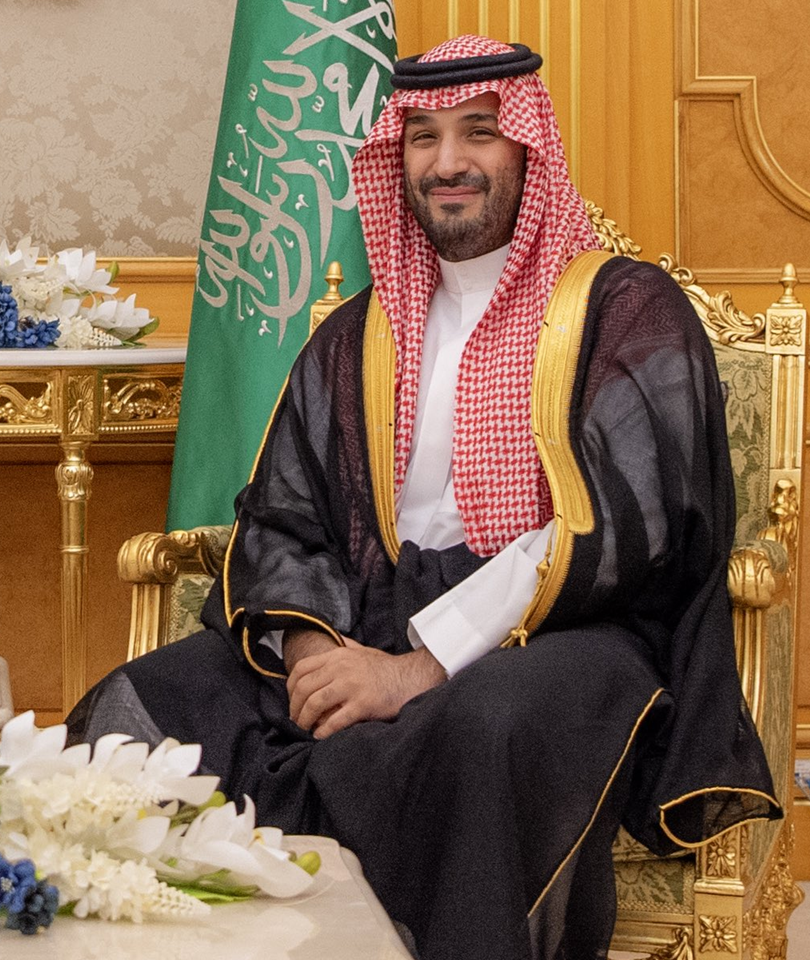
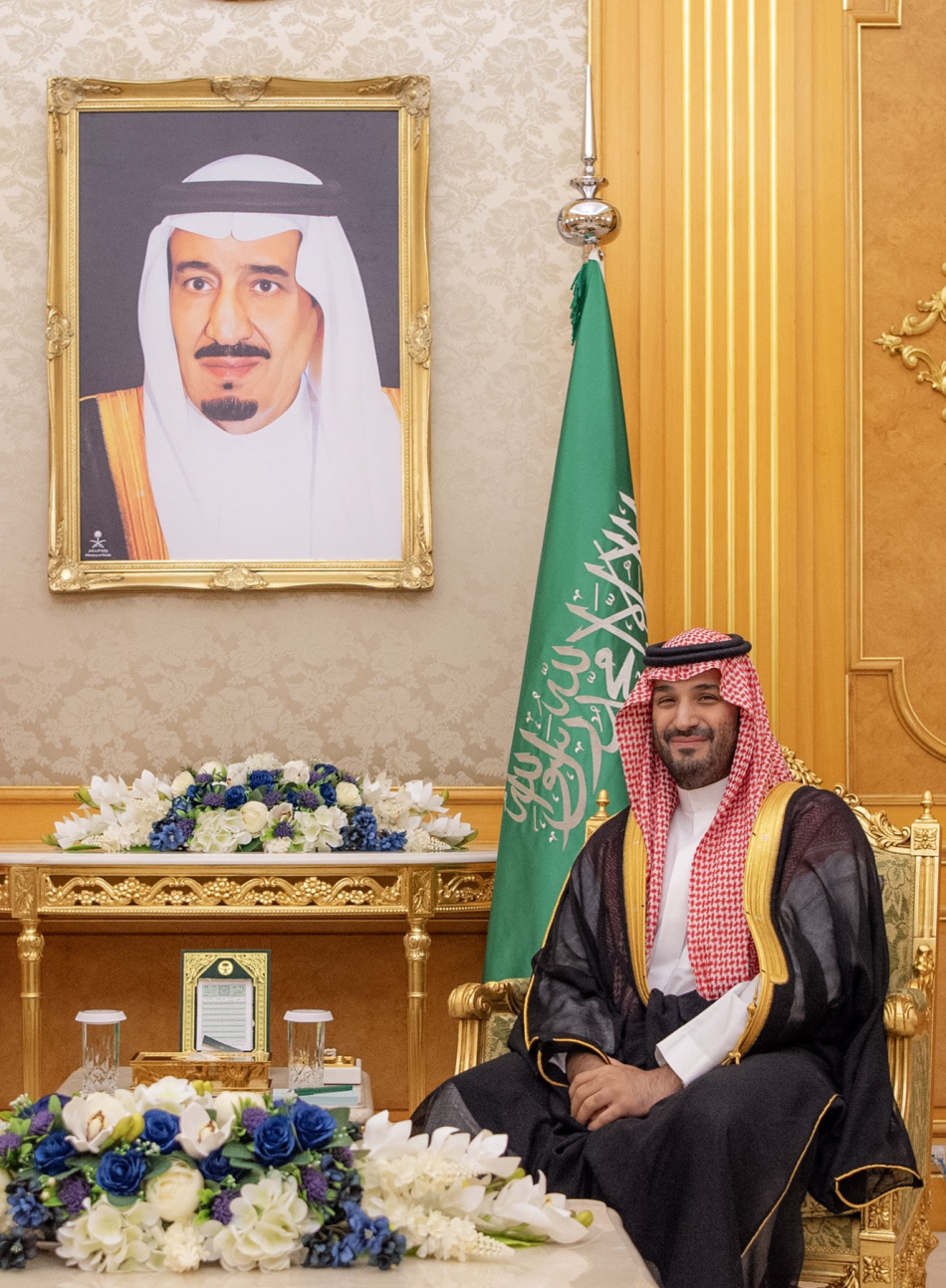
Saudi Arabia marks on the 26th day of Ramadan each year the anniversary of the pledge of allegiance to His Royal Highness Prince Mohammed bin Salman as Crown Prince, which took place on 26 Ramadan 1438 AH.
Today, the Kingdom enters the ninth anniversary of that pledge — an occasion that is no longer merely a symbolic milestone in the Kingdom’s political history, but has become a defining moment in a comprehensive national transformation that has redefined the economy, society, and the role of the state in the region and the world.
A Symbolic Occasion for a Project of Renaissance
This anniversary goes beyond commemorating a political event; it reflects a comprehensive renaissance project that has reshaped the concept of the future within the Saudi consciousness.
Since June 21, 2017, with the Crown Prince — and under the leadership of the Custodian of the Two Holy Mosques King Salman bin Abdulaziz Al Saud — the Saudi citizen has come to view the Kingdom not only as a stable state, but also as a partner in shaping a global economic future built on confidence in national capabilities, initiative, and the belief that time is an opportunity to be invested rather than awaited.
This transformation in awareness formed the foundation of Saudi Vision 2030, which was presented as a comprehensive program of action aimed at rebuilding the state economically, socially, and administratively.
Vision 2030: From Rhetoric to Achievement
Official indicators show that 93% of the Vision’s targets have been achieved or are close to achievement within less than a decade since its launch, while 85% of the initiatives are progressing according to the planned path.
These figures demonstrate that Saudi transformation was not political rhetoric, but rather a gradual process of building based on planning, execution, and follow-up.
During these years, the state has shifted from a traditional administrative model to a more flexible one based on incentivizing innovation and expanding the role of the private sector.
A New Economy Taking Shape
Economically, the Kingdom has repositioned itself within the global economy by moving from a model largely dependent on oil to a more diversified and sustainable structure.
The contribution of the non-oil economy has risen to around 55% of GDP, while the assets of the Public Investment Fund (PIF) have grown to nearly 3.5 trillion riyals.
More than 700 international companies have opened regional headquarters in the Kingdom, reflecting Riyadh’s emergence as a growing regional economic hub.
During this phase, Saudi Arabia has also become one of the fastest-growing economies in the G20, reflecting the success of economic diversification policies.
The Economy of the Future
National industries have expanded, and digital and technology sectors have grown at an accelerating pace.
The Kingdom has advanced to second place globally in digital government, according to the World Bank Group’s 2025 index.
Major infrastructure expansion has also taken place in transportation, energy, smart cities, and cultural centers, as Saudi Arabia transitions toward a modern administrative model built on efficiency, transparency, and governance.
The Saudi Citizen: The Core of Transformation
At the heart of this transformation remains the Saudi citizen.
Unemployment has fallen to below 7% ahead of the target timeline, while women’s participation in the labor market has exceeded 36%, surpassing Vision targets.
Quality-of-life indicators have also improved significantly, with healthcare coverage reaching 97.4% of population clusters, and life expectancy rising to approximately 79.7 years.
Empowerment is no longer merely an administrative decision, but a deep social transformation that has reshaped the citizen’s relationship with work opportunities, knowledge, and creativity.
Culture and Tourism: Reclaiming Identity
Culturally and in tourism, the Kingdom surpassed its target of receiving 100 million visitors before the 2030 timeline.
More than 20.66 million Umrah performers were recorded in the first half of 2025 from inside and outside the Kingdom, marking a qualitative leap in the number of international pilgrims, exceeding 18 million during the year.
Meanwhile, the figures for 2026 continue to rise, with more than 10 million Umrah performers recorded during the first twenty days of Ramadan alone.
The number of Saudi sites listed on the UNESCO World Heritage List has also increased, while major cultural seasons and events have become platforms reflecting national identity with a modern spirit.
Culture is no longer a marginal component of development, but an essential part of shaping the Kingdom’s national image.
Sports: From Activity to Industry
The sports sector has undergone a major transformation, becoming a growing economic and cultural industry.
Saudi Arabia’s successful bid to host the 2034 FIFA World Cup stands as one of the clearest indicators of the Kingdom’s rising global presence in international sports.
Sports are no longer merely recreational activities, but a platform for enhancing Saudi Arabia’s global visibility.
A Balanced International Presence
Politically, the Crown Prince has strengthened the Kingdom’s position as a balanced regional and global power.
Riyadh has adopted a foreign policy based on diversifying international partnerships both East and West, while expanding its role in energy, investment, and regional stability.
As a result, Saudi Arabia is no longer defined solely by its traditional role, but has become a center for shaping balances and building international consensus.
Renaissance Rooted in Identity
The most profound aspect of the Saudi transformation is that it was not a replication of an external model, but a national project rooted in Arab and Islamic identity, combining authenticity with openness.
Modernization in the Kingdom was never presented as a rupture with tradition, but as a continuous evolution grounded in the historical values of society.
Leadership in Moments of Test
Inspirational leadership is revealed not only in times of construction, but also during crises.
This was evident in the Kingdom’s recent regional positions, where the Crown Prince mobilized the Kingdom’s capabilities to support Gulf partners and reinforce regional stability.
This was not merely a political stance, but a reflection of a vision that sees power as responsibility and neighborhood as a bond of shared values.
BETH Reading
When history records the transformations of nations, it searches for the moments that changed the course.
It will find that the appointment of Prince Mohammed bin Salman as Crown Prince was not merely a transition of responsibility, but the beginning of a different Saudi era.
An era in which the future is built every day through the confidence of a leader, the determination of a people, and the ambition of a nation that sees in tomorrow a horizon without limits.