



Saudi Arabia Supports GCC Aviation and Gulf Trade Movement
Riyadh | BETH
Saudi Arabia has made its airports available to airlines from the Gulf Cooperation Council (GCC) countries to operate their flights safely during the current phase, amid the security developments linked to the military escalation in the region and the ongoing war involving Iran.
This measure comes after some airports in Gulf countries were subjected to Iranian attacks, prompting several Gulf airlines to seek alternative operational routes and airports to ensure the continuity of flights and the safety of aviation operations.
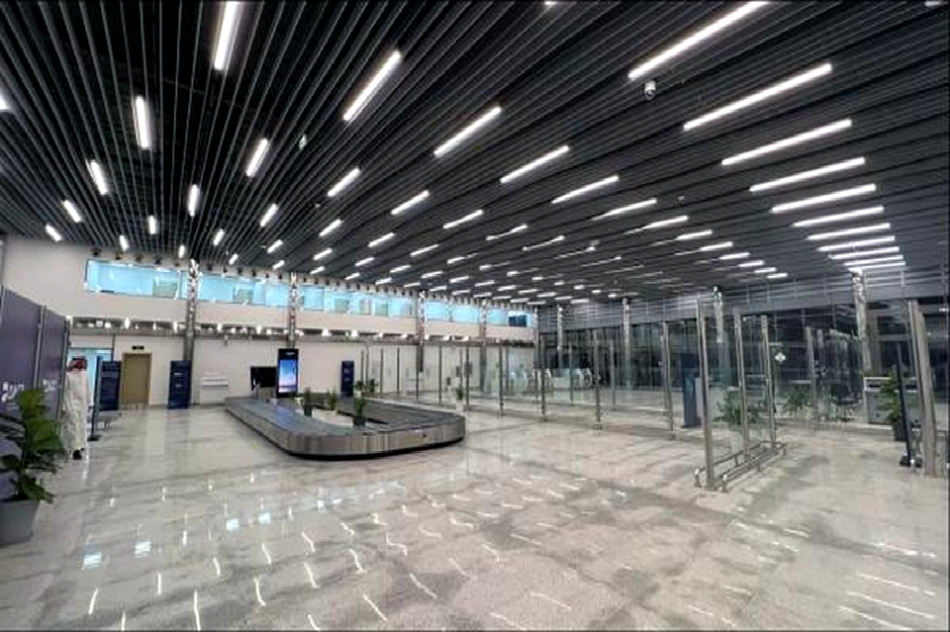
Under this arrangement, Gulf airlines can use Saudi airports as operational hubs or logistical support points, including landing services, refueling, and ground services, in addition to using Saudi airspace and airports as alternative operational options when needed.
This decision reflects the level of coordination among GCC countries in managing air traffic during exceptional circumstances, as well as the ability of Saudi airports to accommodate additional air traffic thanks to their advanced infrastructure and extensive airport network.
BETH Reading
This decision carries several strategic implications:
1. Practical Gulf Solidarity
Opening Saudi airports to GCC airlines represents a practical step to support the continuity of air traffic among the region’s countries amid current security challenges.
2. Protecting Civil Aviation
During periods of military tension, providing operational alternatives for civil aviation becomes essential to maintain flight safety and the stability of the air transport sector.
3. Saudi Arabia’s Central Role in Regional Aviation
Saudi Arabia’s extensive airport network and operational capabilities position the Kingdom as a key hub for air traffic in the Gulf region.
4. A Message of Stability to Global Markets
Maintaining air traffic without major disruption sends a reassuring signal to the travel sector and the regional economy despite geopolitical tensions.
In addition, this approach comes within a broader framework of facilities provided by the Kingdom to support Gulf commercial movement through an integrated network of ports, roads, and railways. This network forms a sustainable logistical infrastructure linking various regions of Saudi Arabia with GCC countries.
These transport corridors enhance commercial connectivity between the Gulf states and the Red Sea, opening additional routes for regional and international trade while strengthening the resilience of supply chains across the region.