



International Calls with Riyadh
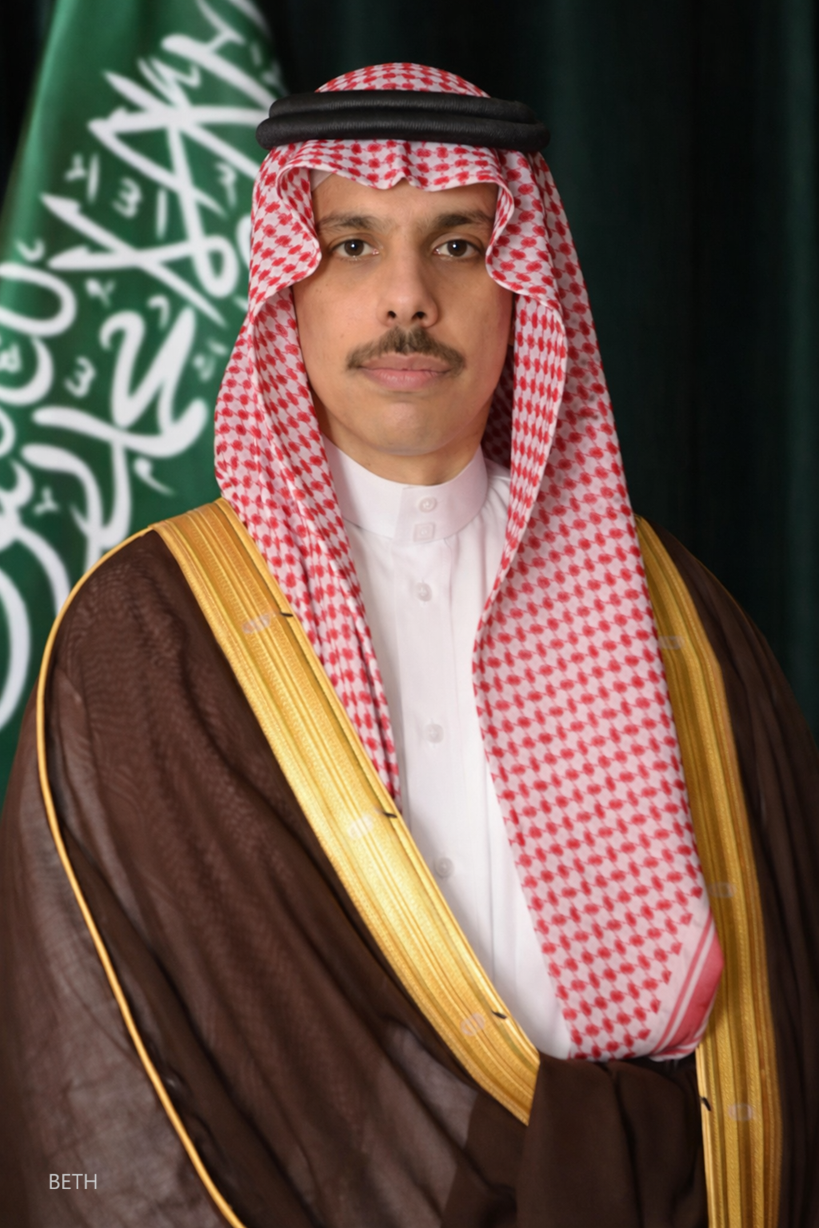
Riyadh – Washington | BETH
In recent hours, Saudi Arabia has led intensive diplomatic activity amid the regional escalation and the attacks that have targeted several countries in the region.
The U.S. State Department said that U.S. Secretary of State Marco Rubio held a phone call with Saudi Foreign Minister Prince Faisal bin Farhan.
According to the State Department, Rubio condemned during the call the “shameful Iranian attacks” against Saudi Arabia.
Saudi Arabia reaffirmed its full right to take all measures necessary to protect its security, sovereignty, territorial integrity, and to deter aggression.
The Kingdom also strongly condemned the Iranian attacks against Saudi Arabia, the Gulf Cooperation Council countries, and a number of Arab, Islamic, and friendly nations.
It stressed that these attacks represent a blatant violation of international charters and international law, particularly through targeting civilian facilities, airports, and oil installations.
Saudi–Pakistani Coordination
In a related development, the Saudi Ministry of Foreign Affairs said that Prince Faisal bin Farhan received a phone call from Pakistan’s Deputy Prime Minister and Foreign Minister Mohammad Ishaq Dar.
During the call, the two sides discussed developments in the region and emphasized the importance of continued coordination and diplomatic efforts to enhance peace and stability regionally and internationally.
Call with Moscow
The Saudi Foreign Minister also received a phone call from Russian Foreign Minister Sergey Lavrov.
During the conversation, both sides discussed developments in the region and ongoing efforts to strengthen international peace and security.
Gulf Coordination
Prince Faisal bin Farhan also received a phone call from Bahrain’s Foreign Minister Dr. Abdullatif bin Rashid Al Zayani.
The call reviewed the latest developments in the region and included an exchange of views on issues of mutual interest.
BETH Analysis
These parallel diplomatic calls reflect Saudi Arabia’s role as a key diplomatic hub in managing regional tensions.
The contacts involving Washington, Moscow, Islamabad, and Gulf capitals in close succession indicate that Riyadh is working to build a broad international coordination framework to contain escalation and reinforce stability.
They also highlight that diplomatic channels remain active alongside security measures, in an effort to prevent the region from sliding into a wider confrontation.