



Saudi Cabinet, Chaired by Crown Prince, Reviews Regional Developments and Approves Cooperation Agreements
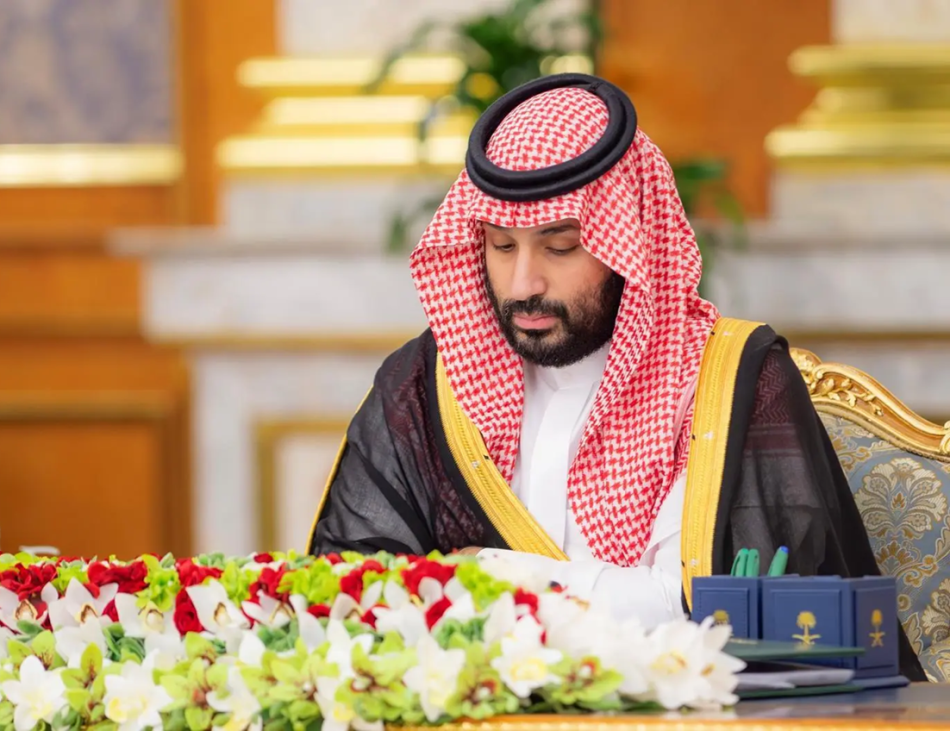
Jeddah | BETH – February 24, 2026
Saudi Crown Prince and Prime Minister Mohammed bin Salman chaired the Cabinet session held today in Jeddah, during which ministers were briefed on the outcomes of his meeting with Egyptian President Abdel Fattah El-Sisi, including discussions on bilateral relations and key regional developments in the Middle East, particularly efforts to enhance security and stability in the region.
The Crown Prince also informed the Cabinet of a message received from Kazakh President Kassym-Jomart Tokayev, as part of ongoing diplomatic engagement with friendly nations.
The Cabinet reaffirmed Saudi Arabia’s firm positions on regional and global developments, underscoring the Kingdom’s continued support for efforts aimed at promoting peace, stability, and sustainable development at both regional and international levels.
Expanding International Cooperation
The Cabinet reviewed progress in joint committees with a number of partner countries, highlighting advancing coordination and cooperation across political, economic, and development tracks, reinforcing Saudi Arabia’s international partnerships.
At the domestic level, ministers praised strong public engagement with national initiatives promoting social solidarity, charitable work, and the expansion of their humanitarian and developmental impact across the Kingdom.
Key Decisions
The Cabinet approved a series of agreements and memoranda of understanding, most notably:
International Cooperation
Political consultations MoU with Armenia.
Investment promotion MoU with Estonia.
Air transport agreements with Kiribati and Cuba.
Environmental cooperation with Turkmenistan.
Health cooperation with Pakistan and the Netherlands.
Security, training, and research cooperation with Pakistan.
Space and Investment
Adoption of a reference framework for cooperation in the peaceful exploration and use of outer space between the Saudi Space Agency and its international counterparts.
Institutional Reforms
Merger of the National Competitiveness Center and the Saudi Center for Economic Business into a single entity named the Saudi Center for Competitiveness and Business.
Regulatory and Administrative Measures
Extension of the trial period for the official communications and records management regulations for one additional year.
Approval of final accounts for several government bodies and universities for previous fiscal years.
BETH Insight
The Cabinet outcomes reflect Saudi Arabia’s dual-track approach:
strengthening regional stability through diplomacy and security coordination, while expanding international partnerships in investment, technology, and institutional development, alongside continued domestic reforms to enhance competitiveness and the business environment.